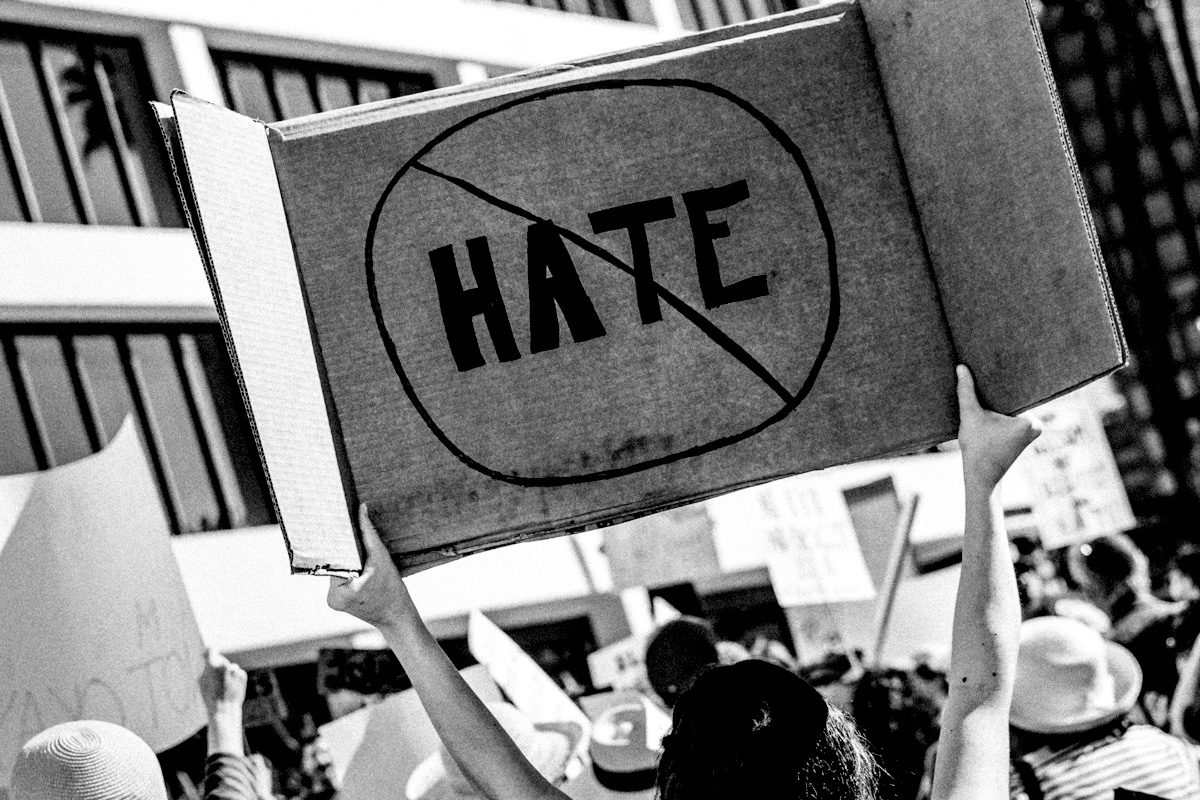
© T. Chick McClure on Unsplash
On August 27, 2016, a Polish man named Arkadiusz Jozwik was brutally murdered in the English town of Harlow in one of the most notorious of many racist hate crimes occurring around Britain's referendum on leaving the European Union.
On
BBC News, experienced reporter Daniel Sandford said police thought the attack may have been racially motivated: "The fear is that this was a frenzied racist attack triggered by the Brexit referendum." In flagging up his report for BBC's
Newsnight programme, John Sweeney, an experienced and respected investigative journalist, described the incident as "post-Brexit rage meets anti-social Britain."
Jakob Krupa, UK correspondent for the Polish Press Agency, followed up for the
Guardian in an article entitled: "The killing of a Polish man exposes the reality of post-referendum racism." The
New York Times joined other publications in reporting that Jozwik was attacked by a gang because he had been speaking Polish in public. Liberal-left commentators and their readers worked themselves up into a frenzy of anger and blame, with LBC Radio's James O'Brien saying that Brexit campaigners had "blood on their hands."
European Commission President
Jean-Claude Juncker piled in, saying in his annual address, "We Europeans can never accept Polish workers being harassed, beaten up or even murdered on the streets of Harlow." It became such big news in Poland that the government arranged to send its own police to the town in order to protect its citizens.
Except it wasn't true. When the case came to court, it emerged that
Jozwik had approached a group of teenagers with a friend after a night of drinking, pushing some of them and apparently throwing the odd racist insult. When one of the youngsters, who was on bail at the time, got up and punched the burly Jozwik in response, he staggered, fell and cracked his head on the pavement. The 15-year old defendant was given three years and the case was consigned to the dustbin of history, with the BBC burying it on a local news page.

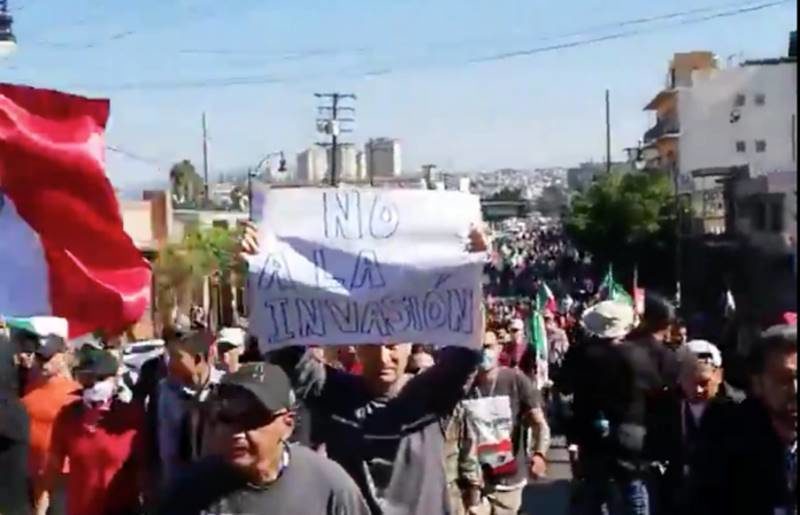














Comment: The situation was especially tense last November in Tijuana, which along with Juarez, has borne the brunt of the caravans of illegal immigrants