
© Markos Tenys/ ShuttertsockIf many comments and links are being posted at the same time, this could mean that a bot is being used. If commentators systematically comment on very different topics such as elections in Brazil and Latvia's football league, this could also mean that posting these comments did not require just one person.
When NATO's Centre for Strategic Communication in Riga discovered how easy it was to dupe its soldiers online, it has started looking for ways of countering false information, which comes, in large part, from Russia. EURACTIV's media partner der Tagesspiegel reports.
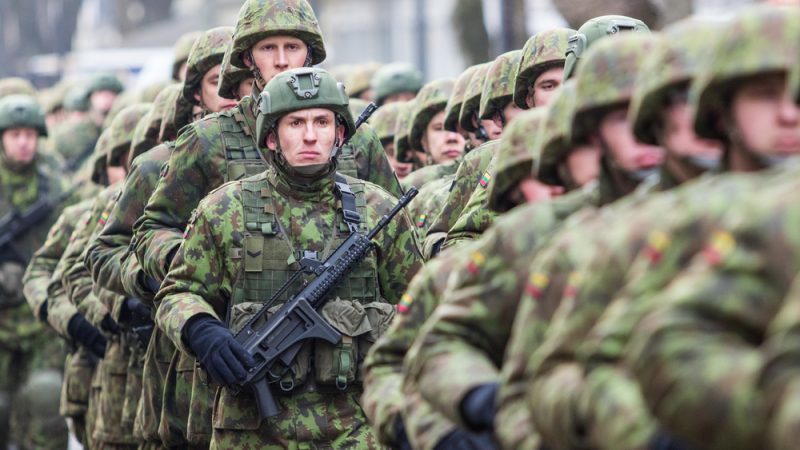
The Latvian forest, not far from the Russian border. Thousands of soldiers from different NATO member states are training there to ensure continued military presence in Eastern Europe.
But during manoeuvres that spanned several days, some soldiers who were winding down with their mobile phones stumbled across a well-done website claiming to be designed by and for soldiers. On there, the men chatted about the army, the weather and life in general. A few of them also ordered T-shirts on the site, for which they agreed to give their home address for delivery.
On Tinder, a popular dating app, some even communicated with a woman, sending pictures of themselves in uniform. One evening, two soldiers even arranged to meet the virtual woman. They both left their post for her, a move which proved to be a mistake.
The website and the Tinder profile turned out to be a trap - a test carried out by a team of NATO experts on behalf of the Latvian army in the summer of 2018 to identify weaknesses in its own ranks. Soldiers were prompted to send their addresses, spread photos of a manoeuvre and even leave their posts, all with little effort.


















Comment: See also: