
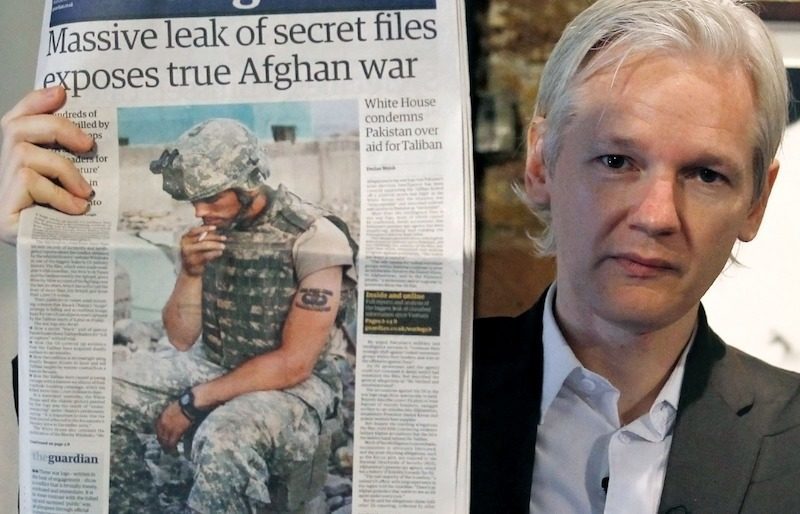
The prosecution in the Assange extradition trial has falsely alleged that WikiLeaks recklessly published unredacted files in 2011 which endangered people's lives. In reality the Pentagon admitted that no one was harmed as a result of the leaks during the Manning trial, and the unredacted files were actually published elsewhere as the result of a Guardian journalist recklessly included a real password in a book about WikiLeaks.
A key government witness during the Chelsea Manning trial, Brig. Gen. Robert Carr, testified under oath that no one was hurt by them. Additionally, the Defense Secretary at the time, Robert M Gates, said that the leaks were "awkward" and "embarrassing" but the consequences for US foreign policy were "fairly modest". It was also leaked at the time that insiders were saying the damage was limited and "containable", and they were exaggerating the damage in an attempt to get Manning punished more severely.











Comment: Luke Harding is almost certainly British intelligence. Leigh probably is too, although he's now 'retired'. Unfortunately Julian didn't know who he was getting involved with when he first partnered with The Guardian... See also: