
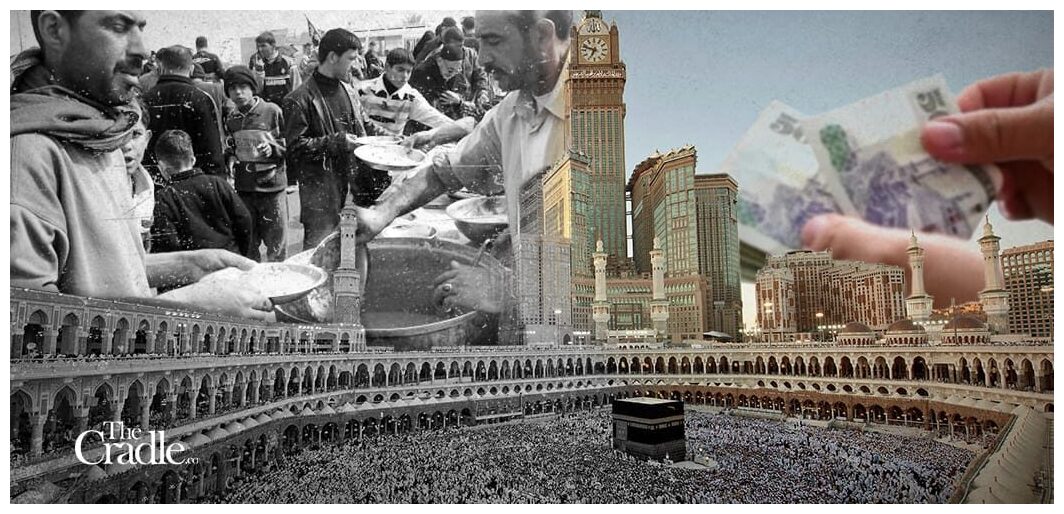
© The CradleThe Hajj, a fundamental pillar of Islam, is slowly becoming inaccessible to millions of Muslims because of issues of cost and control in Saudi Arabia. Yet Iraqis manage a much larger annual pilgrimage with none of the fuss, and spades more hospitality.
For centuries, this was embedded and practiced in the holy city of Mecca in Saudi Arabia.
However, over the past several decades, Islamic hospitality in Mecca has "exceeded its religious and social boundaries," and headed toward "the economic aspect of hospitality," which now characterizes the experience of Hajj pilgrimage.
New rules for the faithful
This year's Hajj will commence on 7 July and will see a significant increase in pilgrims - 1 million, including foreigners - compared to the restrictions put in place during the pandemic for pilgrims, with only 1,000 Saudis allowed in 2020, followed by 60,000 fully vaccinated citizens and residents through a lottery system the following year.
However, the number of Hajj pilgrims this year still pales in contrast to the pre-pandemic levels of 2.5 million participants from around the world, representing the rich and diverse ummah of the Islamic world undertaking a fundamental pillar of the faith.
Other changes this time will include new rules introduced this month by the kingdom's Ministry of Hajj, namely those affecting Muslims in the west, who must now apply for an e-visa through a government website, called Motawif.
The Saudi Press Agency reported that "pilgrims from Europe, America, and Australia can register electronically" for this year's Hajj season through an online portal which "includes various options of packages, support services, and a multi-lingual communication center around the clock, in addition to the possibility of issuing visas electronically, which will facilitate the pilgrims' endeavor to perform Hajj via easy and accessible procedures."

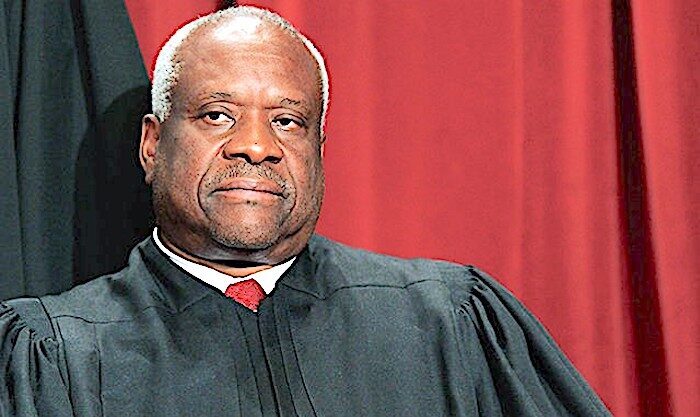









Comment: Judge Clarence Thomas has been an unexpected thorn in the progressives' side for a while now. He just doesn't seem to behave the way they think he should. Thank goodness for that.