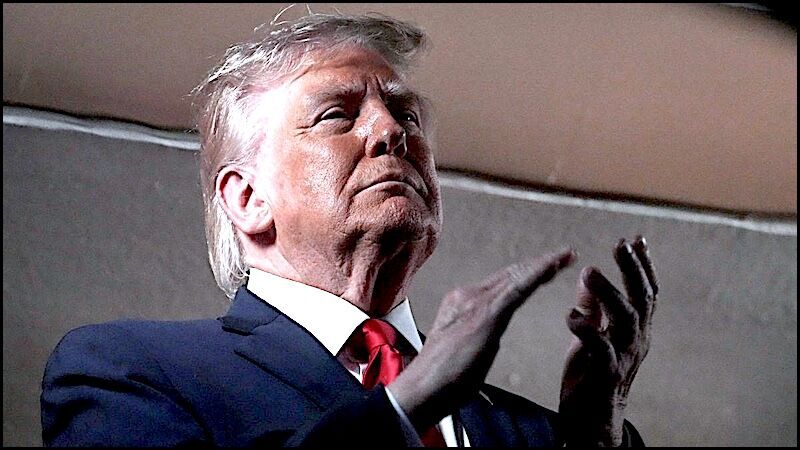
© Mark Schiefelbein/AP/dpaUS President Donald Trump
The U.S. and Iran have reportedly signed a deal to open the Strait of Hormuz and to begin negotiations to end the war. It is a hopeful sign that this disastrous war of choice may soon be over, but once again, Israel stands to be the spoiler.
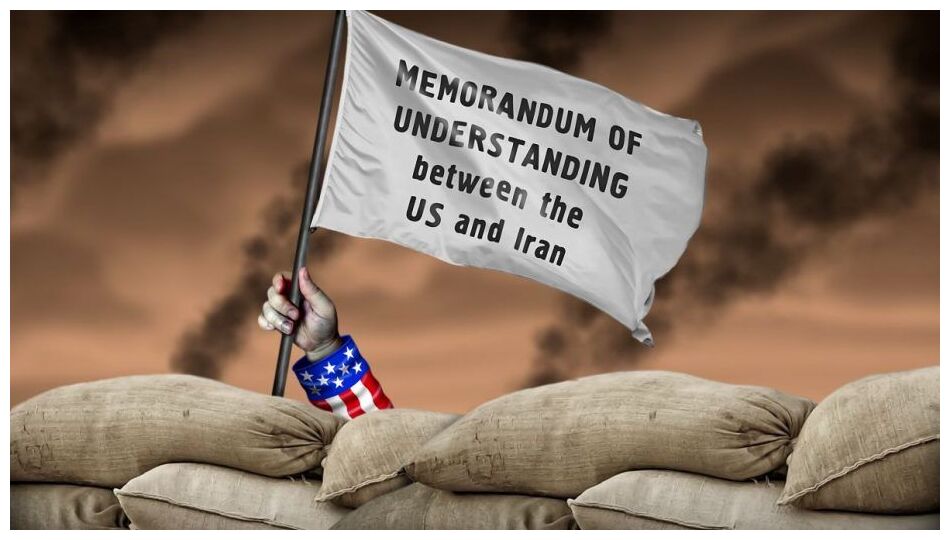
According to reports, the Memorandum of Understanding (MOU) between the United States and Iran to open the Strait of Hormuz and formally end the fighting between the two countries
was signed on Monday.
It is important to clarify that, regardless of White House statements, this is not a peace deal. It is an agreement to end the standoff in the Strait of Hormuz and a commitment to stop fighting for 60 days while an agreement is reached, hopefully. The negotiation period can be extended if both parties agree. Still, it is a important agreement that indicates a end to this disastrous war could be in sight.
But as usual Israel stands to play the role of spoiler. The one thing that is most clear is that Tel Aviv won't give up on its long-term goal of regime change in Iran. But if this MOU actually takes effect and opens the Strait of Hormuz, that will not be achieved through this war.
What is the agreement?

© OIFStrait of Hormuz
According to American officials, details of the MOU will be released in the next day or so. But we already have a pretty good idea of what it says and what it does not say.
While none of the terms have been announced, it seems certain that the mutual blockades of the Strait will be lifted and commercial traffic will flow through the whole Persian Gulf again. That might take a bit of time,
as mines planted by Iran must be removed, a delicate process. But if all sides cooperate, it will be done in short order.
There seems to be a consensus that the ceasefire does apply to Lebanon. Even the Israelis
seem to believe this. But there is less clarity about exactly what that means.
Israel is currently occupying a large portion of Lebanon. Israeli leaders have already made it clear they have no intention of leaving.
For the time being, it seems that the MOU will allow Israel to remain in place. The language both sides have used has often featured the "end of attacks" on Lebanon. Iran obviously seeks a full Israeli withdrawal from Lebanon, but whether they are willing to put that off to the negotiation period rather than insisting on it happening immediately remains to be seen.















Comment: Just another example of how afraid the EU rulers are of free speech and the fear that the truth could loosen the grip they have on the war narrative in the Western mainstream mediasphere.