
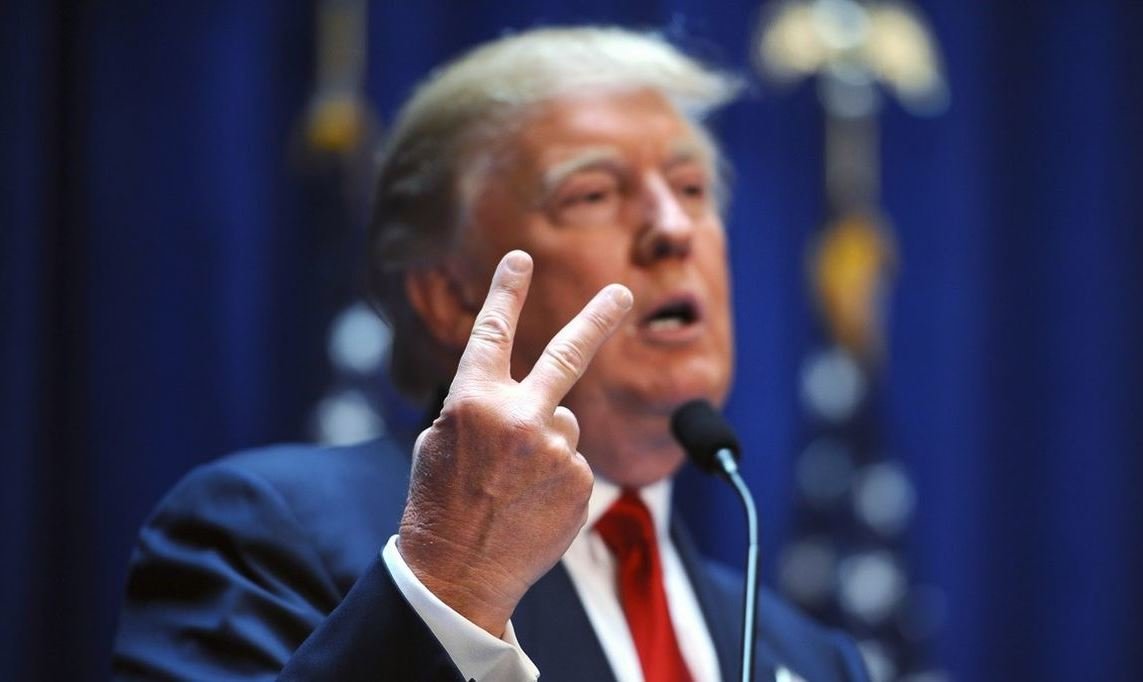
Recently, Obama erroneously referred to Russian President Vladimir Putin as a former head of the KGB. Within a month's time, Obama repeated that fallacy. This error received little if any follow-up in US mass media, where heavy handed Putin and Russia bashing is the norm. Obama's gaffes get comparatively downplayed, as Trump is inaccurately portrayed as an ignorant oaf.
This past November 21, MSNBC's overly partisan Rachel Maddow, falsely claimed that Trump isn't a good sport, when it comes to taking satire, unlike other US presidents who've been targeted for such treatment. (BTW, the much maligned RT has a number of hosts, who're far more objective than Maddow and some of her other MSNBC counterparts, including the Democratic Party connected Lawrence O'Donnell.) In actuality, Trump has previously acknowledged good satire directed against him, inclusive of his having appeared on NBC's Saturday Night Live (SNL).


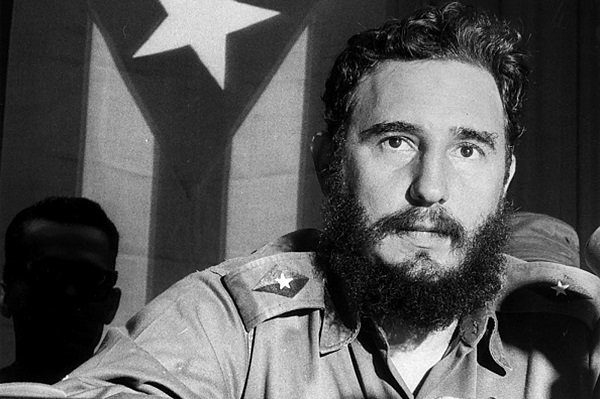









Comment: More on the story of Fidel Castro: