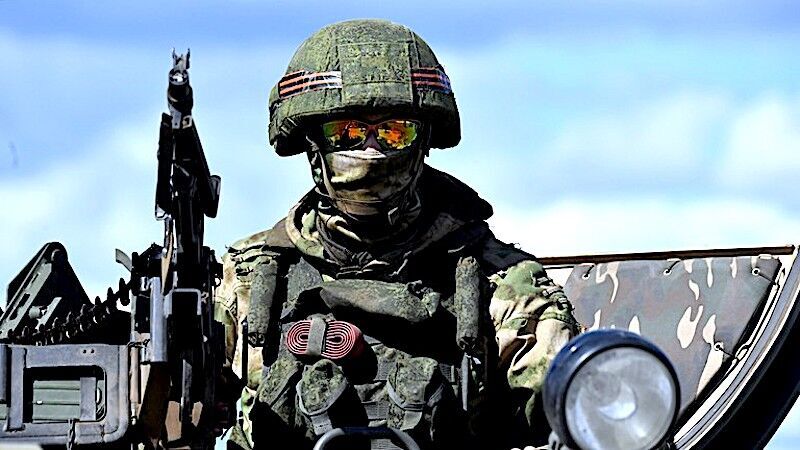
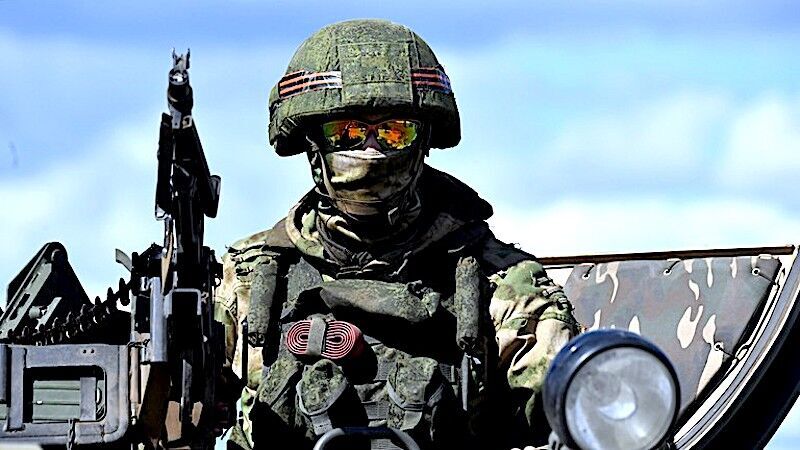
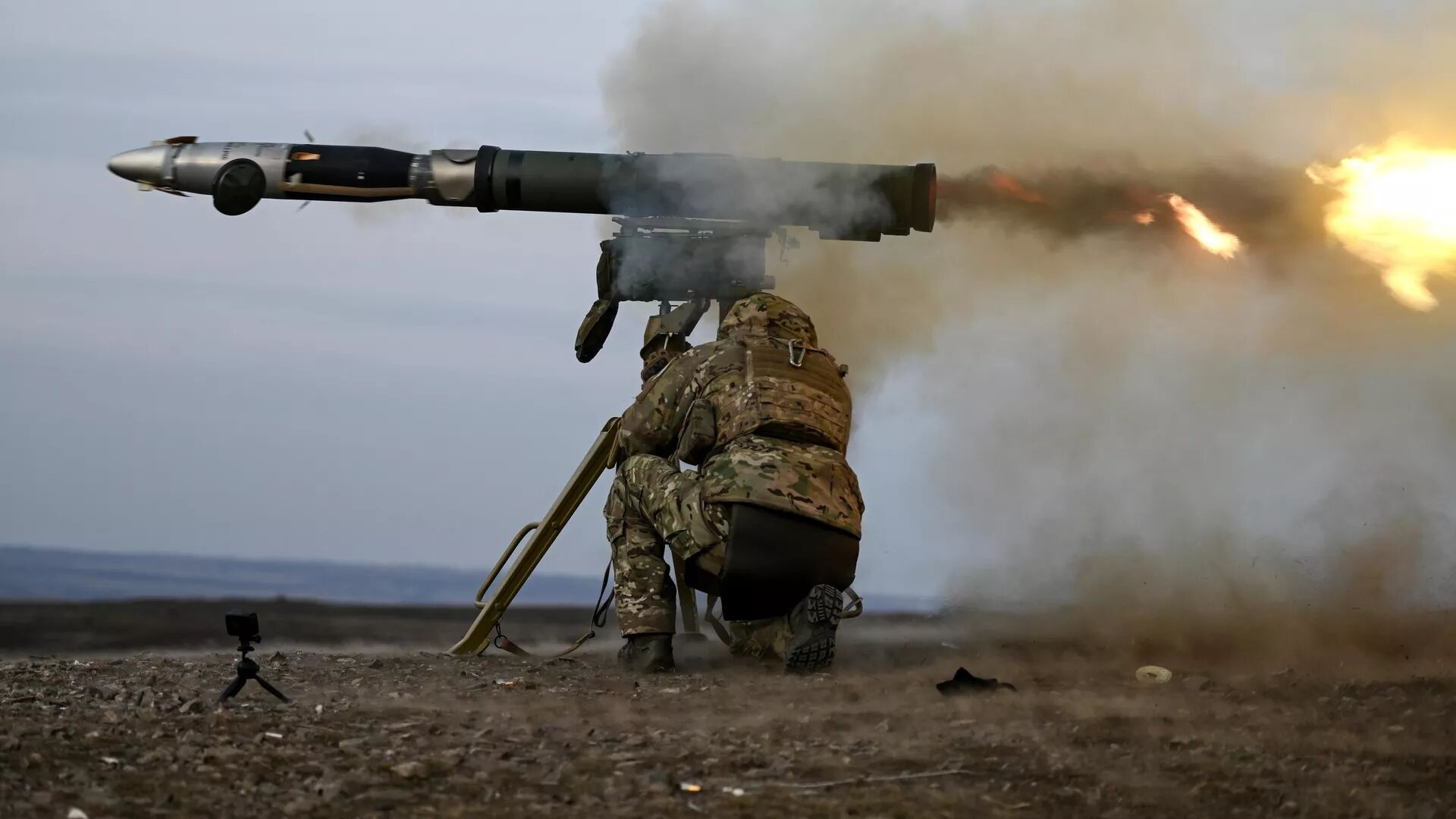
© Sputnik /RIA NovostiReconnaissance group serviceman of Russian Armed Forces Eastern Military District heading to Kharkiv in Ukraine
In a war of attrition, grinding the enemy down is just the first part.
Stretching what remains until it breaks is how you finish the job.
As Russia's military operation in Ukraine enters its 28th month, the conflict can be said to have gone through several distinct phases,
all but one (the opening gambit)
of which prioritized attritional warfare as the principal guiding military philosophy. For Western military observers, schooled as we are on what we deem the 'modern' military philosophies of maneuver warfare, the
Russian approach to fighting appears primitive, a throwback to the trench warfare of conflicts past, where human life was a commodity readily traded in exchange for a few hundred meters of shell-pocked landscape.
Upon closer scrutiny, and with the benefit of 27 months of accumulated data, the Russian approach to warfare emerges as
a progressive application of military art that considers the totality of the spectrum of warfare - small-unit tactics, weapons capability, intelligence, communications, logistics, the defense economy and, perhaps most importantly of all,
political reality. It is critical to keep in mind that while Russia may have entered the conflict facing a single adversary (Ukraine), within months it became clear that
Moscow was confronting the cumulative military capability of the collective West, where NATO's financial, material, logistical, command and control, and intelligence support was married to Ukrainian manpower resources to create a military capacity
designed by intent to wear Russia down physically and mentally, to strategically defeat Russia by promoting the conditions for its economic and political collapse.











Comment: See also: