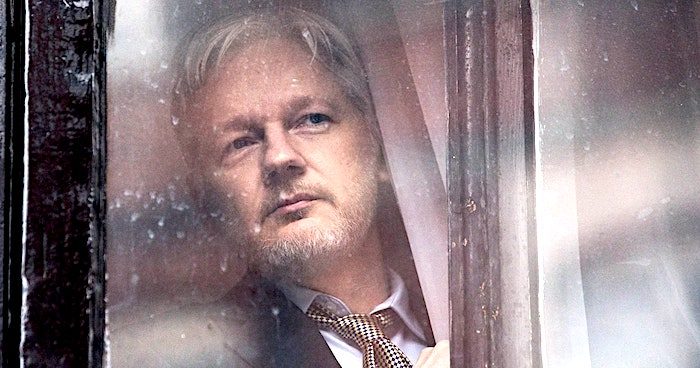
© Rolling StoneScreen shot from 'Risk'
Russia's constant trolling of US power [e.g
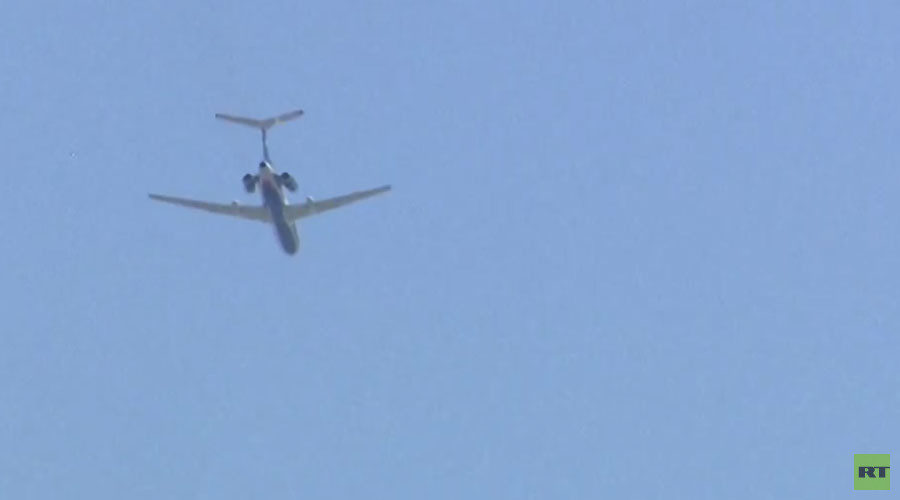
#OpenSkies overflight of Langley instead of White Sands] is clearly an intentional policy. Similar trolling is seen on many of its social media accounts and its constant attempts to signal, in English, that it is behind many events that irritate the U.S. establishment. This includes constantly trying to steal credit for
@wikileaks publication work.
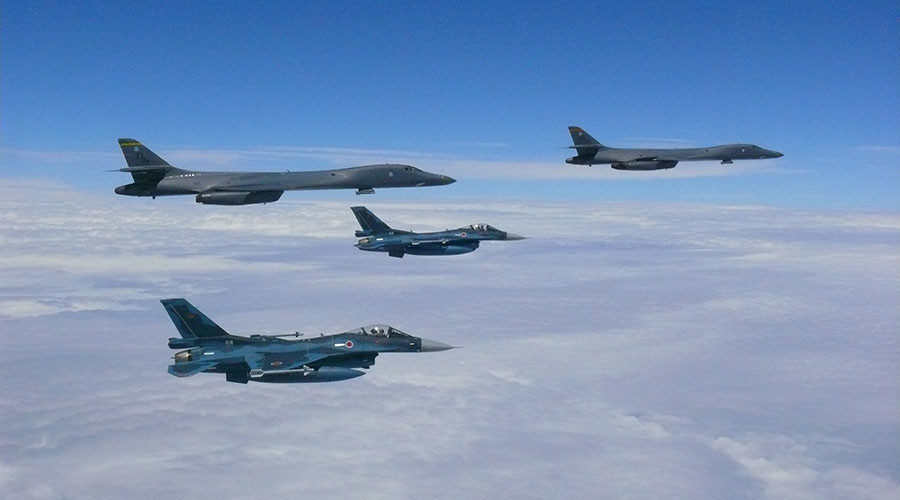
All weak countries that feel threatened like to engage in deterring displays of strength and resolve but this is not the answer. Russia has a GDP less than South Korea or Spain and is surrounded by NATO bases and China, which has 7x the GDP and 10x the population. Sun Tzu's "Appear weak when you are strong, and strong when you are weak" explains Russia's strength displays
but not obvious trolling. There is a difference between trolling and displays of strength.
Trolling is designed to provoke reactions rather than to deter them. I do not know the answer but it is fascinating that no-one in the West is talking about it. This seems to be as a result of incentives.
Western security state interests want to hype up "threat" as opposed to "trolling" so as to increase their importance and budgets. Democrats want to hype up "threat" as opposed to "trolling" so as to foster their excuse for losing election narrative. Russian apologists and anti-Westerns want to make Russia look strong or honest so they also will not talk about Russian trolling. Germany is headed into an election so the Merkel camp are incentivized to increase perceptions of the Russian "threat" so as to make criticism of her government and its policies subject to neo-McCarthyisst suspicions.
But perhaps these observations about Western amplification and instrumentalization of the Russian "threat" provides a clue.
The more the Russian security state can provoke a belligerent, threatening tone from the West the greater the domestic political support for defending Russia from these Western threats. This translates into increased budgets for Russia's security sector and greater unity, both within the state and between Russia's population and its state structures.

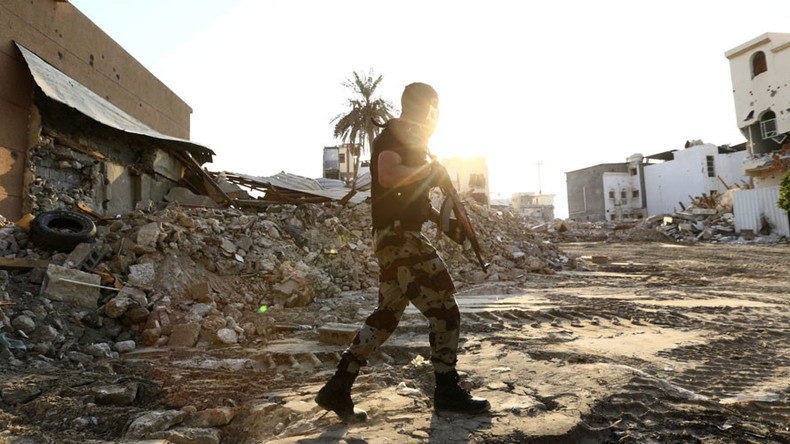

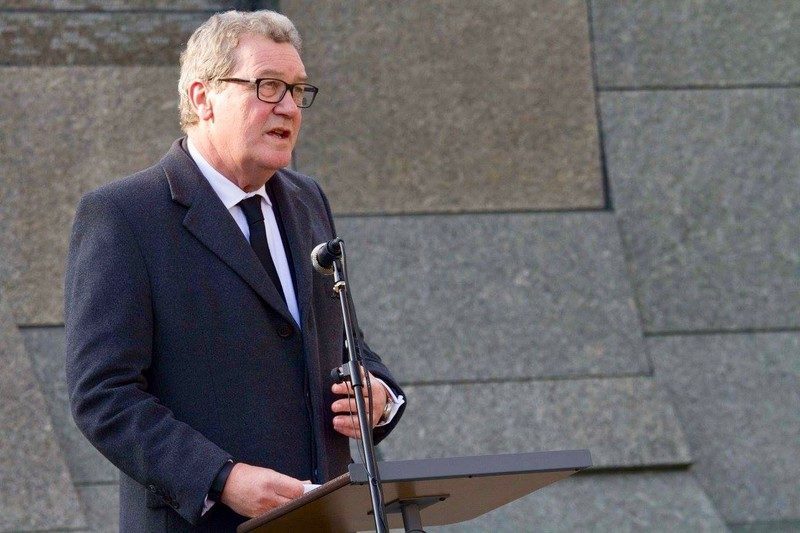

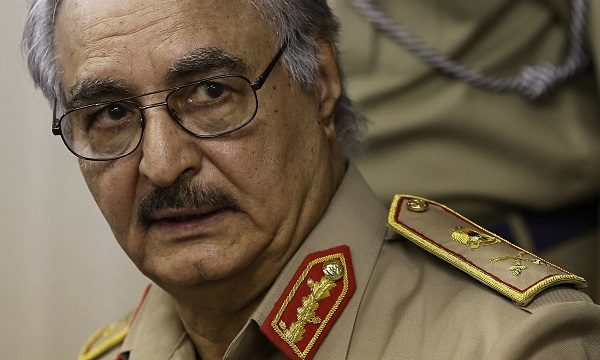







Comment: According to Jim and Joanne Moriarty, Libyans know about Haftar's work for the CIA, but see him as a lesser of two evils when compared with the terrorists who have been running most of the country since the U.S./NATO invasion. The man they truly support is Gaddafi's son, Saif al-Islam. With the support of Israel's Mossad, however, Haftar's power will probably only increase. The question then becomes: what will the Mossad require of Haftar in return, and what is he willing to offer them? Chances are, it won't be for the benefit of the Libyan people.