Puppet MastersS


Info

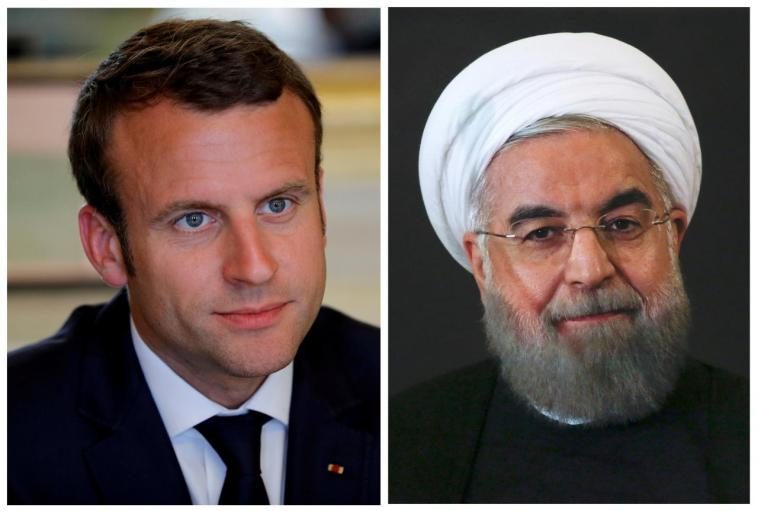
French president Macron wants to lead EU rapprochement with Iran

rouhani macron
France has taken the first step in respect of showing good faith towards Iran, in the context of a possible post-US JCPOA. However, much more is still required if Europe is serious about preserving its agreement with Iran.

Facing unpopularity at home over callous remarks associated with his controversial labour reforms, French President Emmanuel Macron is looking east in order to establish himself as Europe's leading figure in the diplomatic rush to 'save' the JCPOA (Iran nuclear deal) from Donald Trump's threats to fully withdraw from the agreement, after the US domestically de-certified the JCPOA, thus sending it to Congress for extended debates.

Whether Macron cares about the Iran deal as a matter of principle, seeks to enhance his personal prestige or is feeling the pressure from French companies who are successfully conducting business with Iran, is ultimately, a moot point. In reality, Europe does need to take a lead in representing the western half of the east-west agreement that is the JCPOA. Thus far, the most robust statements clarifying the EU's continued support of the deal have come from the European Union's High Representative of the European Union for Foreign Affairs and Security Policy, Federica Mogherini, who spoke minutes after Trump's speech confirming US de-certification of the JCPOA.

X

Why the lack of a motive for the Las Vegas massacre is so unsettling

las vegas memorial
We need to know.

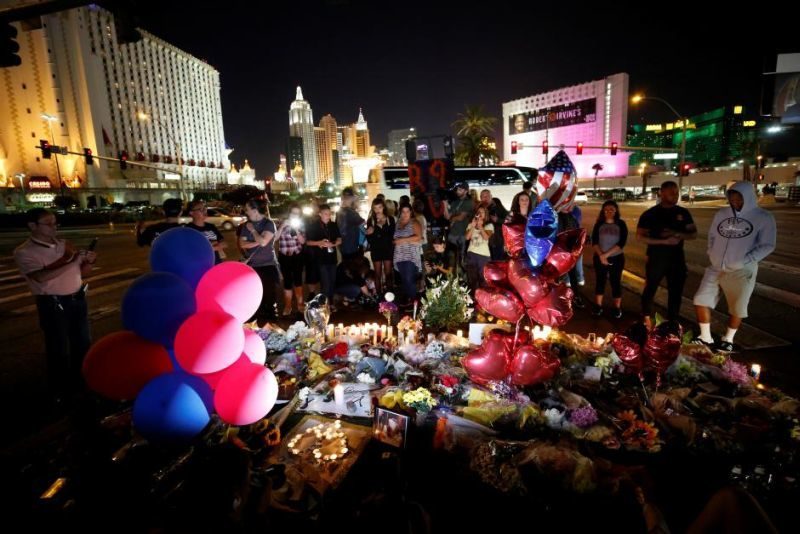
Two weeks after Stephen Paddock rained down bullets on attendees of a country music festival in Las Vegas, killing 58 and injuring more than 500, investigators are no closer to understanding the gunman's motives.

For a nation riveted by the deadliest mass shooting in recent U.S. history, this is a deeply unsettling problem.

Police detectives and criminal profilers are working overtime to dissect Paddock's behavior, circumstances and psychological state in the lead-up to the shootings. Mental health professionals and experts on human behavior, meanwhile, are bearing witness to a more common and less mysterious response on the part of Americans: a sense that without an explanation for Paddock's actions, we cannot psychologically close the chapter on this shooting.

Comment: Maybe that was the motive.

See these two analyses by Joe Quinn and Niall Bradley that give what is probably the most complete picture of what happened that night:

Serious Problems With Official Las Vegas Massacre Narrative

Las Vegas Terror Attack: Clear Evidence of Multiple Shooters at Multiple Hotels

And listen to Sott Radio hosts investigate the incident:

Behind the Headlines: Las Vegas Massacre: What Really Happened - Trump and Iran, What's his Problem?


Propaganda

Clinton lies about Assange on Australian TV - Assange blasts ABC for refusing to let him respond

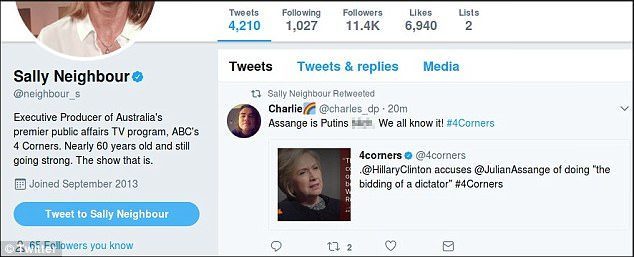
sally neighbour tweet
In response to a retweet (pictured) by Four Corners producer Sally Neighbour, Assange said it was 'pathetic' and showed the 'extreme unprofessionality' of the ABC
WikiLeaks founder Julian Assange has slammed the ABC, accusing the national broadcaster of breaching their own code of practice.

Assange said he should have been asked for a response to comments made about him by Hillary Clinton during an interview which aired in Australia on Monday.

The WikiLeaks founder's criticism comes as Four Corners interviewer Sarah Ferguson revealed on radio she thought Hillary Clinton 'has been through enough'.

'A sad day for Four Corners,' Assange told Daily Mail Australia, 'WikiLeaks has a pristine record for accuracy. Clinton stands alone in suggesting otherwise.'

'There was no push back on Clinton's ridiculous conspiracy theories or use of weasel words. The single greatest contributor to Clinton's downfall was not brought up: her strategy to elevate Donald Trump. We were not contacted to rebut.'

Light Saber

The Communist Party of China (CPC) holds its 19th National Congress: President Xi's battle against corruption

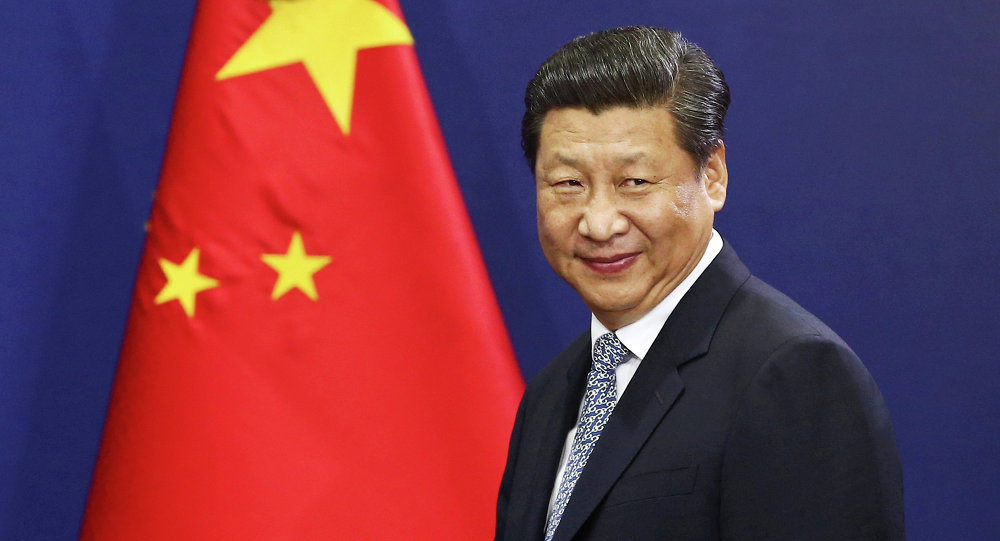
Xi Jinping
Foreign analysts and media look to the 19th National Congress of the Communist Party of China for clues about China's future. It is no secret that President Xi Jinping, during his almost five years as China's senior-most leader, has strengthened the Party's role in governing China - and foreigners have questions. I'm asked these questions by foreign media and I think it useful to state and examine them.

What is it about the Party, the CPC, and its governing philosophy, that makes Xi so committed to enhancing the Party's governing power? What are the Party's positions and policies, organization and governance, vision and challenges? Why has China opted for perpetual CPC leadership? What innovations has Xi brought to the Party's leadership role in the economy and society? Why has Xi elevated "strict discipline of the Party" to the highest level of national importance, the fourth of his "Four Comprehensives" for governing China? Why is his anti-corruption campaign so relentless?

Answers to these questions lead to a more basic question: How has the Party led China to its remarkable development and modernization? How has the Party adapted to changing conditions, kept up with the times? What can we learn from the Party's history, its triumphs and tragedies? What is it about the Party's recent past that it must now be rejuvenated?

But can a system with a perpetually ruling party discipline itself, itself establish credible checks-and-balances?

Comment: Xi's full speech:


The Duran's Adam Garrie summed up some of the most important points Xi made:
The most revolutionary aspect of the speech included a commitment to build on China's industrial, infrastructural and financial progress to make China an ever more prosperous country internally. While words like "luxury" still carry some stigma in the context of a Communist Party, in reality, Xi was promising just that.
...
To achieve this, Xi spoke of several stages of developing "great modern socialism", the natural outgrowth from the market socialism of Deng.

Practically, this will require two things. First of all, One Belt-One Road will help to connect the Chinese model of economic growth with other dynamic and growing economies throughout multiple global regions. The outward looking concept behind One Belt-One Road is critical to Xi's idea of a China that will be not only open but more open than ever before. By sharing the Chinese experience with others and linking economies of the world, China is creating a world in which developing countries can enhance their productivity while crucially maintaining full political independence. Secondly, Xi has a wide ranging programme designed to pivot China's internal investment from primarily infrastructure based projects to projects which improve the micro-management of daily life. In many ways, such programmes at an urban level, are already well under way.

China's reticence to intervene in the political issues of foreign countries was in fact a recurring theme of Xi's speech. This was designed to reassure China's new partners, but it also is part of a wider declaration that in the Chinese dominated 21st century, this will be an organic economic dominance and a dominance in terms of available resources, but not one of imperialistic, political nor ideological dominance. In many ways, there is no better place to assure partners of China's lack of interest in exporting ideology than during a Communist Party Congress. In this sense, it was made clear that China's ideological dialectics are meant only for China and not partners. In a single phrase, one could summarise this as: "Great modern socialism in one-state and One Belt-One Road for all independent partners". To put it another way, "Many political systems, one common goal of prosperity".

Between the present day and the year 2020, China will work to solidify economic and social gains for the last decade, something which will be capped-off by the completion of the modernisation project for the People's Liberation Army in 2020, as well as enhanced efforts to totally eliminate rural poverty and expand modern agriculture and industrial sectors outside of China's modern urban regions.

Between 2020 and 2035, China will work to build a country that is "prosperous, strong, democratic, culturally advanced, harmonious, and beautiful". In more practical terms, this means a country wherein real Chinese living standards continue to increase, while conditions remain free of the peaks and troughs that have plagued western societies in recent decades.

While capitalists often criticise socialist countries for lacking sufficient luxury items and leisurely pursuits for citizens and where inversely many socialists criticise capitalist countries for making culture inaccessible and stable living impossible, Xi's programme looks to offer both stability, consistently liveable residential and working environments, while also enhancing the ability of ordinary people to enrich their lives with cultural activities and the new avenues of social enhancement made possible through modern technologies which China has both braced and pioneered.
...
Part of Xi's proposals to enhance the quality of living for Chinese, is to take care to always balance infrastructural development with ecological protections. As the country which industrialised more rapidly than any other in history, China has already begun embracing green technology, particularly in the field of energy creation, more thoroughly than any other. As China begins exporting its green technologies, Beijing will almost certainly become a global leader in this field.

Xi Jinping also spoke of the need to further assure that corruption will not implant itself in China, in spite of economic diversification and growth. He encouraged the party faithful to remain committed to traditional values while preparing the development of new ways of thinking and problem solving.
...
Overall, the prognosis for Xi Jinping and his successors being able to deliver on the monumental promises made in today's speech, seem surprisingly doable. China has shown the world that it can make the difficult happen with speeds that shock many sceptics and with an exactitude that confounds students or previous rising economic giants.

In this sense, it is not at all beyond the scope of reality that a 3.5 hour speech, may shape the next 100 years of Chinese and world history.


TV

Boris Johnson: Labour MPs speaking to RT is a 'scandal' - even though his dad appeared there only last month

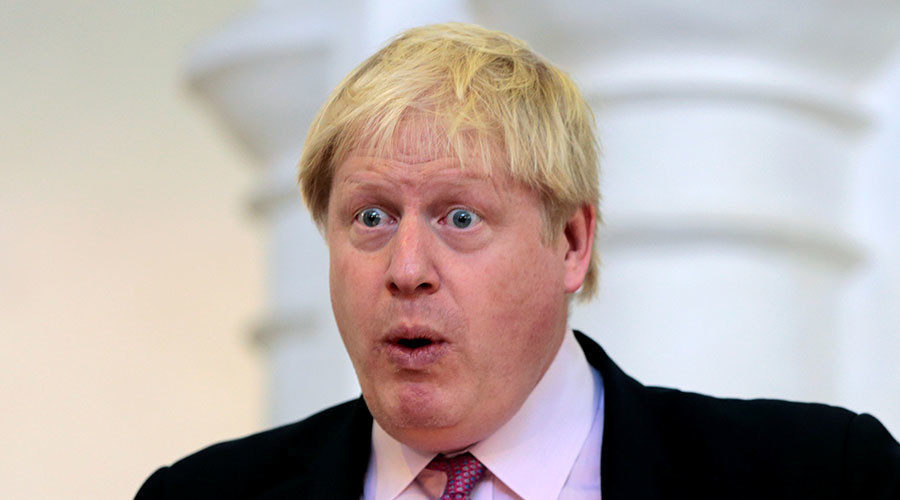
Boris Johnson
© Caren Firouz / Reuters
While Boris Johnson claims it is a "scandal" that Labour MPs are willing to appear on RT, the Tory foreign secretary seems unaware his own father came on the channel just last month. In fact, a lot of Johnson's Tory colleagues have.

Addressing MPs in the House of Commons on Tuesday, Johnson claimed RT's news output is "propaganda" and admonished those who have appeared.

"If you study the output of Russia Today, and if you consider the state of the press in Russia at present, it is a scandal that members of the party opposite are continuing to validate and legitimate that kind of propaganda by going on those programs," Johnson said.

"I'm assured by my ministerial team none of them do so."

His own father did, though.

Laptop

Roger Stone: Guccifer 2.0 is not a Russian hacker

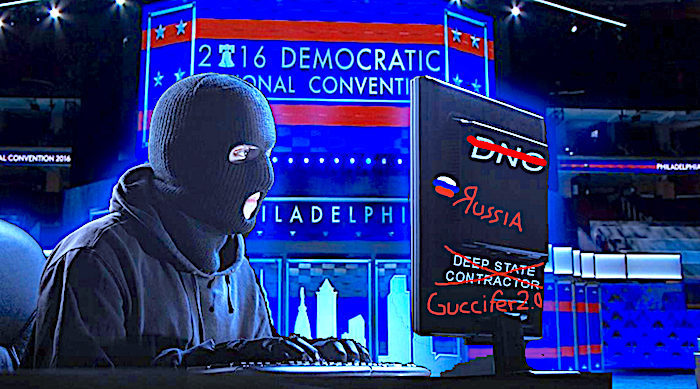
Guccifer 2.0
© DNC
Both during and after my recent interrogation by the U.S. House Intelligence Committee, democratic members of that Committee repeated again the false claim that a blogger who calls himself Guccifer 2.0 is a known Russian asset. While our politicized intelligence agencies insist this is a fact, much of the known evidence is to the contrary.

The Deep State chorus repeating this falsehood over and over again makes it no truer than the discredited notion that the DNC was hacked at all, and that the Russians did it.

The Nation magazine recently reported on a study issued by Veteran Intelligence Professionals for Sanity (VIPS), which is a group comprised of numerous former high-level US intelligence officials. Based upon the VIPS study, The Nation concluded that, "There was no hack of the Democratic National Committee's system on July 5, 2016... not by the Russians and not by anyone else." Hard science now demonstrates it was a leak; a download executed locally with a memory key or a similarly portable data storage device. In short, they reported it was an inside job by someone with access to the DNC's system. This casts serious doubt on the initial alleged hack claim that led to the very consequential publication of a large store of documents on WikiLeaks last summer.

Nuke

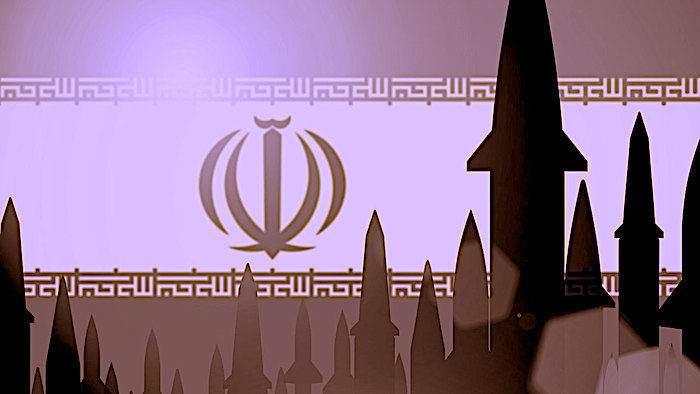
Predictable: America's betrayal of the Iran Deal - always meant to be broken

Iranflagmissiles
© Conservative ReviewTwilight of the Deal?
America's withdrawal from the "Iran deal" doesn't prove that Iran is a threat to world peace and stability - instead - it proves that America cannot be trusted.

In a recent public statement, US President Donald Trump announced the United States' decertification of the 2015 Joint Comprehensive Plan of Action (JCPOA) also known as the "Iran Deal."

Fox News and AP in their article, Trump decertifies Iran nuclear deal, slaps sanctions on IRGC in broadside at 'radical regime', would claim:
"I am announcing today that we cannot and will not make this certification," Trump said during a speech at the White House. "We will not continue down a path whose predictable conclusion is more violence, more terror, and the very real threat of Iran's nuclear breakthrough."

Friday's announcement does not withdraw the United States from the Iran deal, which the president called "one of the worst and most one-sided transactions the United States has ever entered into."

But the president threatened that he could still ultimately pull out of the deal.
The agreement regarded Iran's nuclear technology program, seeking assurances from Tehran that its use of nuclear technology would remain peaceful - and in turn - pressure placed on Iran both politically and economically - particularly economic sanctions - would be reduced.

Comment: Wheels within wheels...some turn fast while others turn slowly, serving both short and long goals within a comprehensive strategy and timetable. (Realistically, it works better if no one suspects.)


Quenelle - Golden

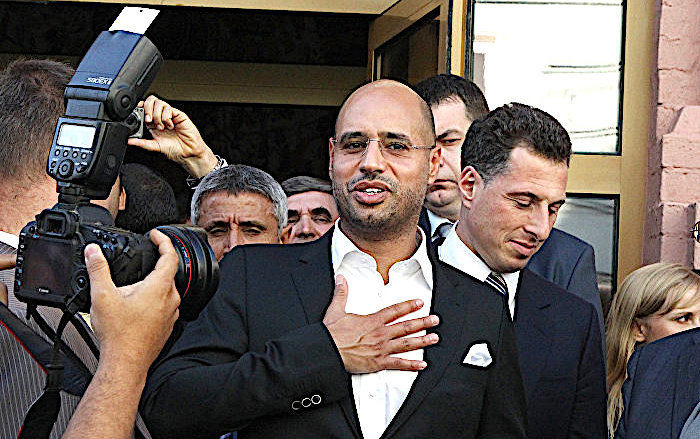
Gaddafi's son Saif al-Islam returns to politics in Libya

Saif al-Islam Gaddafi
© Sputnik/ Vladimir FedorenkoSaif al-Islam Gaddafi
Saif al-Islam, who many Libyans regard as the only hope for bringing peace to their country, will rely on ordinary people who are eager to fight against terrorism and stabilize the state, his family lawyer has told Sputnik.

"The current situation in Libya, the absence of any dialogue and the misunderstanding of the real states of affairs require Saif al-Islam Gaddafi to return to politics and try to find a political settlement between the conflicting parties in the country," Khalid al Zaidi told Sputnik Arabic.

There have been frequent reports, he said, that the son of the late Libyan leader Muamar Gaddafi had left Libya, but this is not true. He maintains contacts with the country's leaders, representatives of different tribes, trying to find a political solution to the ongoing crisis and reconcile the opposing parties.

Comment: Libya was a self-sufficient, progressive, prosperous democratic country prior to the onset of Arab Spring. That is no longer the case thanks to the US, Israel and Western cohorts. There is hope that Saif al-Islam Gaddafi will have a unifying and positive effect, should the West leave well-enough alone and a true recovery be allowed to take place.


Passport

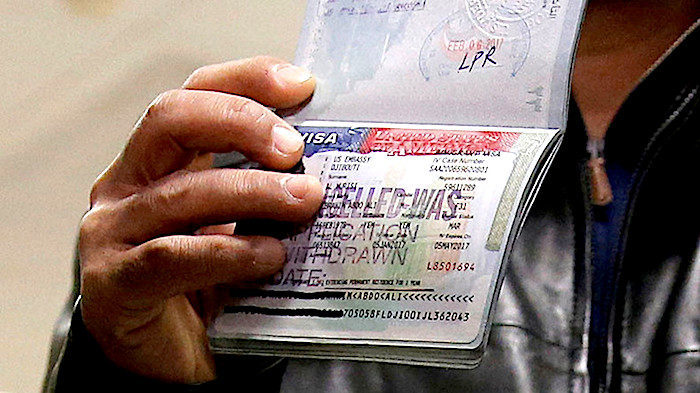
US restarts visa processing after Hawaiian judge, again, blocks travel ban

visa passport
© Jonathan Ernst / Reuters
The White House has described Tuesday's ruling by a Hawaiian judge, blocking Donald Trump's controversial travel ban, as "dangerously flawed," adding that it "undercuts the president's efforts to keep the American people safe."

In a statement, the president's office reacted to a ruling earlier Tuesday by US District Judge Derrick Watson of Hawaii, who granted a nationwide injunction against Trump's third travel ban, ruling that the order "likely" violates US law.

In accordance with the court order, the State Department is instructing US embassies to process visa applications from citizens of Chad, Iran, Libya, Somalia, Syria and Yemen, according to the Associated Press. The State Department, however, will follow the presidential guidelines in processing visa applications from North Koreans and Venezuelans, AP reported.

The US Department of Justice said that it will appeal the judge's ruling. "Today's ruling is incorrect, fails to properly respect the separation of powers, and has the potential to cause serious negative consequences for our national security," the DOJ said in a statement.

However, Hawaii Attorney General Doug Chin called the judge's ruling "another victory for the rule of law" and said that he stands "ready to defend it."

The White House statement added that the ruling hindered President Trump's ability to "enforce minimum security standards for entry into the United States."

"The entry restrictions in the proclamation apply to countries based on their inability or unwillingness to share critical information necessary to safely vet applications," the statement continued, adding, "as well as a threat assessment related to terrorism, instability, and other grave national security concerns."

The White House said it was "confident" that the courts would uphold Trump's executive order.


Comment: The ban requiring vetting of applications with cooperation from the countries of concern is not discrimination. "No person shall receive any preference or priority or be discriminated against in the issuance of an immigrant visa because of his race, sex, nationality, place of birth, or place of residence." These stipulations are not in question. The issue of visa bans is not over yet especially if judges are polluting their rulings with any considerations except the letter of the law as it applies to the action requested.

See also:


Attention

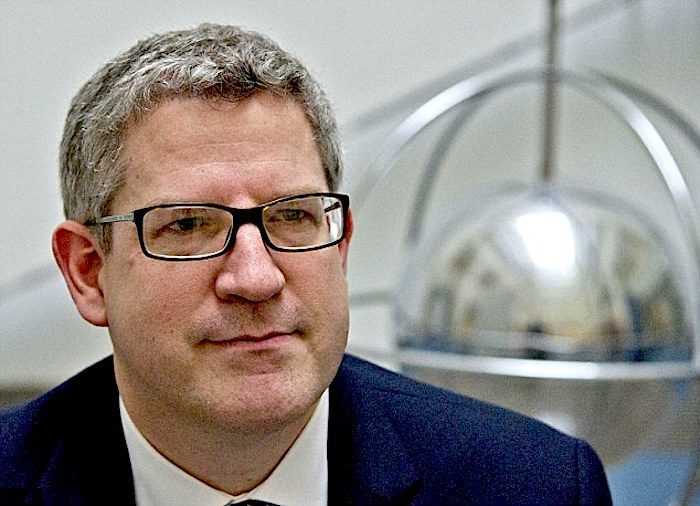
MI5 warning: 'Dramatic jump in scale, pace of British terror threat'

MI5 Andrew Parker
© Daily Mail'Britain is facing an unprecedented threat of terror today.'
Andrew Parker warned that activity from sick terrorists is harder than ever to detect, and there has been a "dramatic upshift" in the type of threats seen. In interviews with Sky News and the BBC he said that it was the highest threat he had seen in his 34-year career at MI5.

Mr Parker revealed that 20 attacks on British soil had been thwarted in the past four years - including SEVEN in as many months. And he revealed that 130 Brits who had travelled to Iraq and Syria to fight for so-called Islamic State had died - with around 800 in total leaving for the area.

The top boss said: "Today there is more terrorist activity, coming at us more quickly, and it can be harder to detect. He went on: "We're now running well over 500 live operations involving around 3,000 individuals known to be currently involved in extremist activity in some way.

"As well as those we are looking at today, risk can also come from returnees from Syria and Iraq and also the growing pool of over 20,000 individuals we've looked at in the past in our terrorism investigations. "And there will be some violent extremists not yet known to us at all."

Comment: Covertly support IS 'over there' and then fear what they will do when they return, given IS programming works so well to hype and manipulate the perceptions of the public! What a set-up. Change agent in the works?