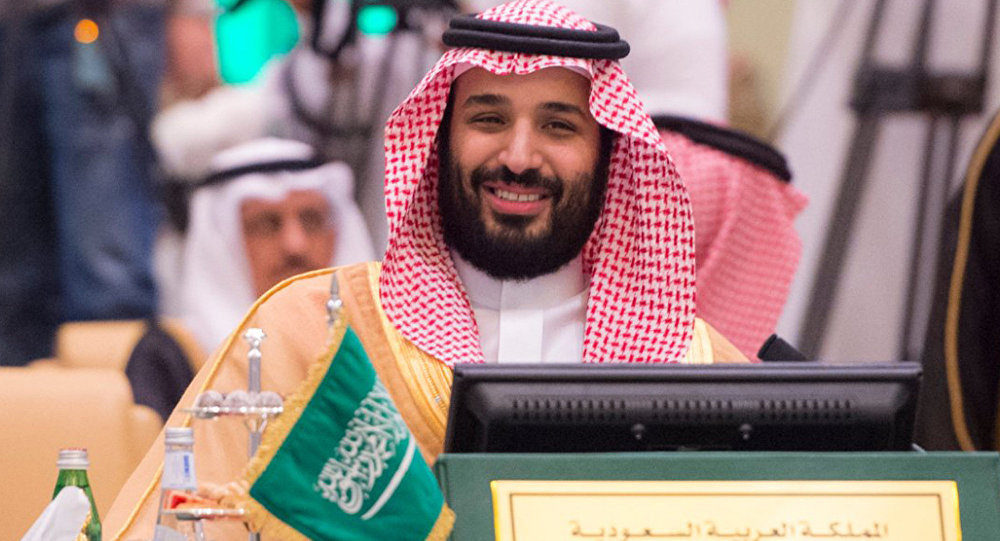
© AP Photo/ Saudi Interior Ministry
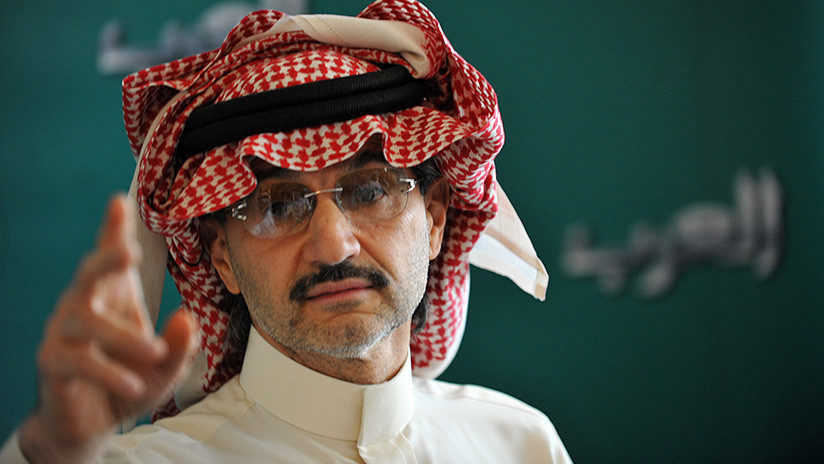
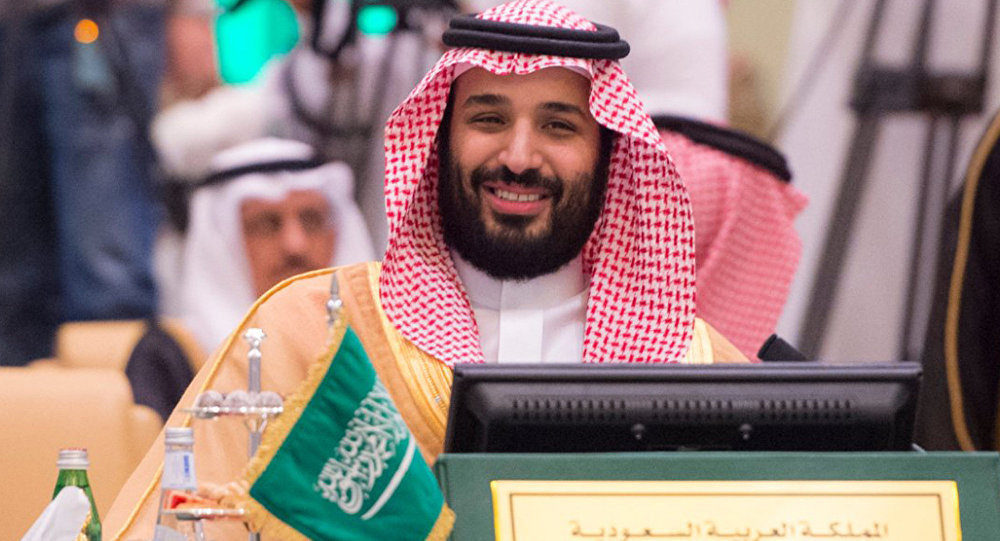
While the war against Daesh is drawing to a close in Iraq and Syria, and the war against the pseudo-Kurdistan seems to have been avoided, several States of the Greater Middle East are regaining the initiative. Profiting from the fluidity of the moment, the Crown Prince of Saudi Arabia has brutally eliminated the members of the royal family who may be in a position to contest his Power. So not only has the regional balance of power been modified by war, but one of the region's main actors has just changed its objectives.
After seven years of war, entire cities have been razed to the ground in Afghanistan, Saudi Arabia, Iraq, Libya, Syria, Turkey and Yemen, but no frontiers have been modified.A new period in the Middle EastIt is said that Nature abhors a vacuum. The defeat of the « Islamic Emirate in Iraq and Syria » (or « Daesh », according to its Arab acronym) - which, in quick succession, has just lost Mosul, under the onslaught of the Iraqi army, Rakka, taken by the US army, and Deir ez-Zor, liberated by the Syrian army - ends a war and opens a new period. The failure of Massoud Barzani to force recognition for the annexation of Kirkuk by the Kurds of the PDK cancels the project for a new colonial State, a pseudo-Kurdistan, an advance base for the Israëli army against Iran.
Although the Greater Middle East is devastated, particularly Libya, Syria, Iraq, Yemen and Afghanistan,
there still remain four States capable of advancing their interests - Israël, Saudi Arabia, Turkey and Iran. In order to do so, each of them will have to adopt an initiative before the meeting between Presidents Donald Trump and Vladimir Putin, which is scheduled to take place during the APEC summit in Danang (8 to 10 November).

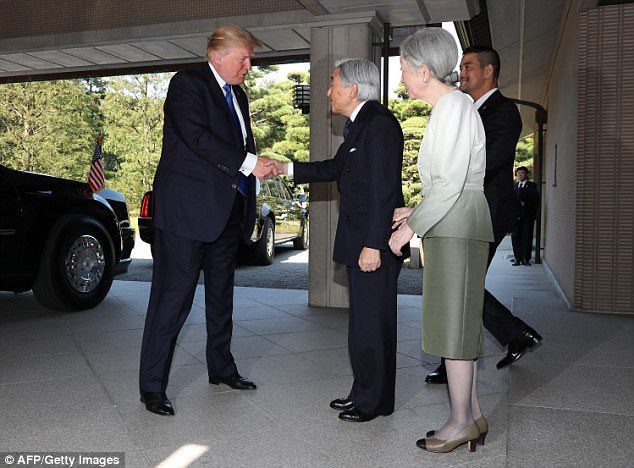










Comment: American 'greatness': Unlike Obama, Trump doesn't bow to Saudi king