OF THE
TIMES

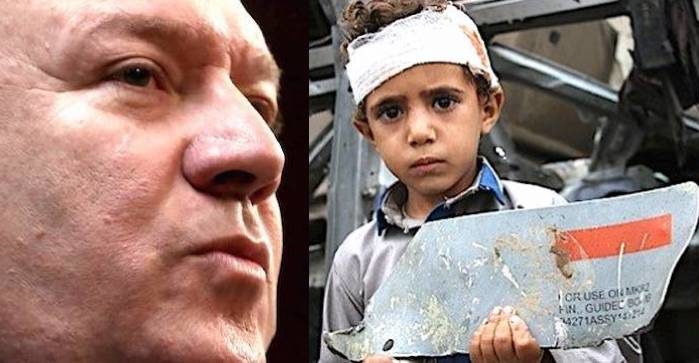
"We all want this conflict to end. We all want to improve the dire humanitarian situation. But the Trump administration fundamentally disagrees that curbing our assistance to the Saudi-led coalition is the way to achieve these goals.Pompeo took a defiant posture two days after a bipartisan majority of the Senate called for President Trump to end U.S. involvement in airstrikes launched by the Gulf coalition that has intervened in the war. The resolution of disapproval included a carveout for intelligence-sharing, but Pompeo highlighted the stakes of a fight against the Iran-backed Houthi rebels who seized the country's capital in 2014.
"If you truly care about Yemeni lives, you'd support the Saudi-led effort to prevent Yemen from turning into a puppet state of the corrupt, brutish Islamic Republic of Iran," Pompeo told reporters at the State Department.
"The senators who voted 'aye' say they want to end the bombing in Yemen and support human rights. But we really need to think about whose human rights," Pompeo said. "The way to alleviate the Yemeni people's suffering isn't to prolong the conflict by handicapping our partners in the fight, but by giving the Saudi-led coalition the support needed to defeat Iranian-backed rebels and ensure a just peace."
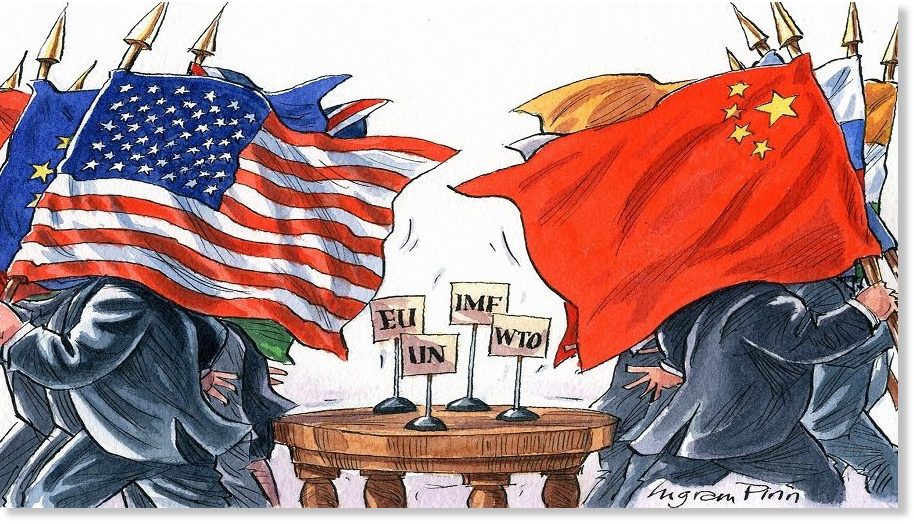
Of all the geopolitical transformations confronting the liberal democratic world these days, the one for which we are least prepared is the ideological and strategic resurgence of authoritarianism. We are not used to thinking of authoritarianism as a distinct worldview that offers a real alternative to liberalism.We are not used to thinking of authoritarianism as a distinct worldview because it isn't one. All authoritarian states share certain things in common, and they may see some of the same things as threats, but there isn't a single worldview that all authoritarian governments subscribe to. There is no one ideology that binds them together. Most of them are nationalistic to one degree or another, but because of that they usually have competing and opposing goals. Treating all authoritarian regimes as part of the same global threat lumps illiberal and majoritarian democracies together with kleptocracies, communist dictatorships, and absolute monarchies. That exaggerates the danger that these regimes pose, and it tries to invent a Cold War-like division between rival camps that doesn't really exist. If the U.S. treats these states as if they are all in league with one another, it will tend to drive together states that would otherwise remain at odds and keep each other at arm's length.

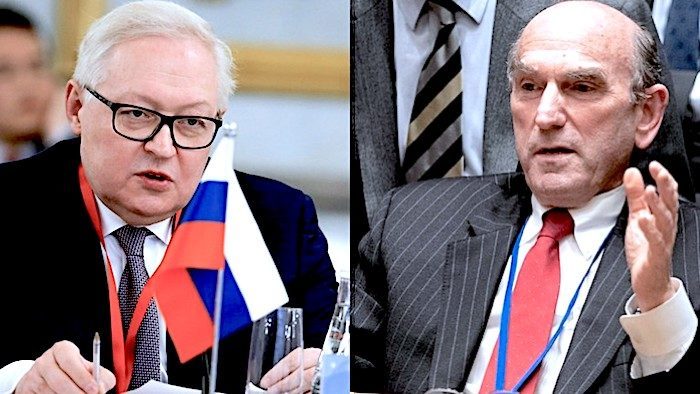
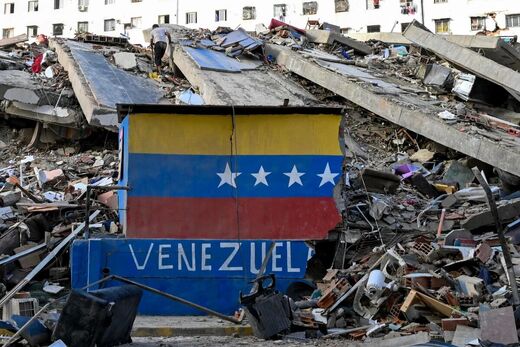
"We strongly urged the US side... against any temptation to resort to military power. It includes our warning against, so to speak, hardcore massive military intervention, which can't be excluded given the type of behavior we've seen on the US side in recent years." The same goes for "low intensity conflicts - the penetration into the sovereign territory of Venezuela from abroad by elements that could be described as paramilitaries to stage provocations and in other ways interfere in the affairs of this state."Russia's representative told Abrams that Moscow's interests in Venezuela must be protected and said he assumes that Washington has heard that demand. The deputy FM also pointed out that Moscow is increasingly worried about Washington's sanctions against Caracas.
"I can assure you that we will not let the plane fly on our side until we find acceptable answers," agency head Patrick Ky told a European Parliament hearing on Tuesday.
MCAS counteracts an aerodynamic problem that causes the plane's nose to drift upwards in flight by manipulating the tail to keep the plane level. However, the system relies on readings from a nose-mounted sensor, and can overcompensate if those readings are false, pushing the aircraft's nose downward and into a dive.
The system was certified as safe by the FAA, and regulatory agencies around the world followed the US agency's lead, carrying out only minor tests of their own on the aircraft. Furthermore, the engineers claim that Boeing downplayed potential dangers with the MCAS, did not train pilots to work with the system, and cut corners to bring the plane to market quicker.
The FAA has said that fixing the 737 MAX's software issues will take "months." Ky, however, told the EU hearing that the EASA will not trust the FAA's assessment this time around. "We want to make sure that the upgrades are safe not only in terms of architecture, design and validation, but are also accompanied by the appropriate training requirements," he said.
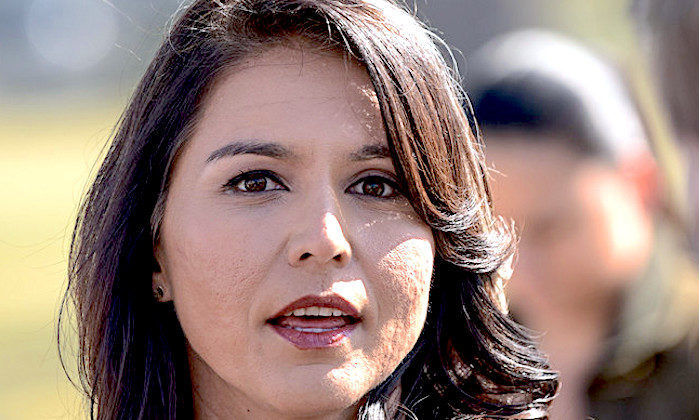
[N]ews of the retweet quickly spread across the pond, where the UK's Independent newspaper reported immediately on Trump's "endorsement" of the "explosive claim" that Britain had a hand in encouraging Russiagate.
The Independent also took the time to needlessly smear Gabbard in the piece, claiming that she "appears to be receiving support from Russia" - citing only a flawed NBC report as evidence.
The NBC "analysis" in question relied on 'expertise' from discredited cybersecurity firm New Knowledge, which was exposed by the New York Times last year for having created fake Russian bots online, ironically with the very goal of smearing candidates for supposed ties to Russia.
Comment: The absence of US troops on the ground and blaming Iran for the war are excuses used by Washington and the Pentagon to qualify their activities in assisting Saudi Arabia's decimation of Yemen. However, given its integral role in this conflict, the US may not escape international and political blame for aiding and abetting war crimes. Meanwhile, the Senate has finally awakened to the consequences of its own inaction and hopefully sees through Pompeo's argument. Going forward, Congress may seek to change US policy and re-establish its war-powers control, but for Yemen it will be too little, too late.
See also: