
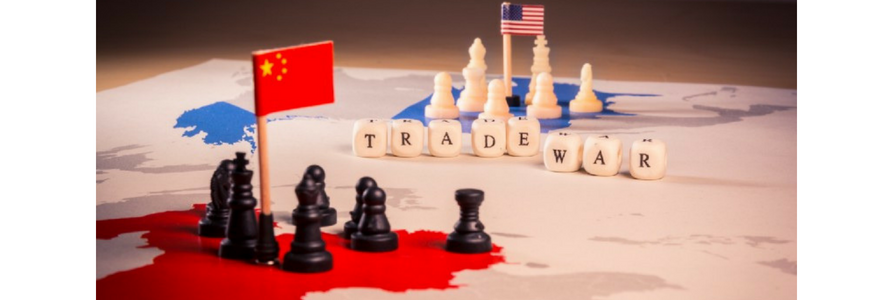
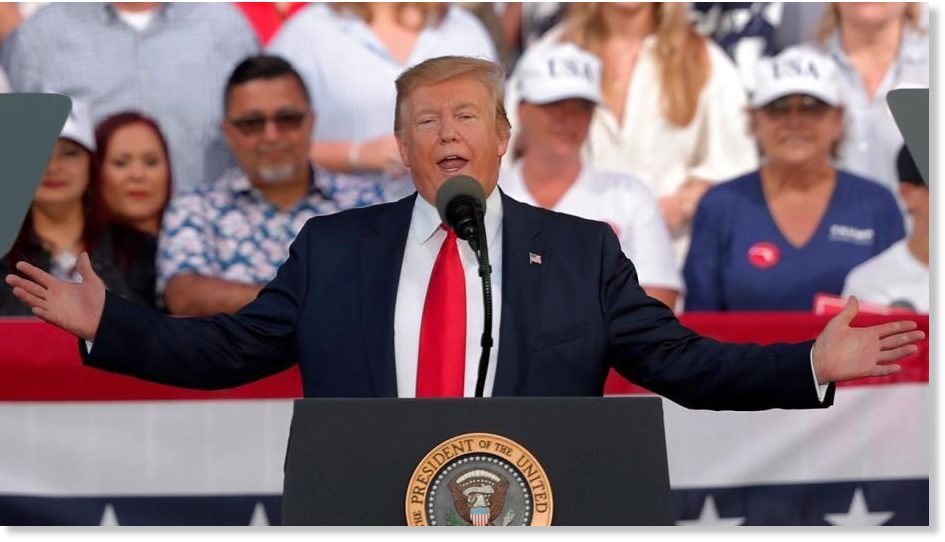
In the wake of the meeting, Trump and his administration mouthpieces attempt to put a positive spin on the collapsed talks, while placing blame on China for the break up. The 'spin' at first was that China had reneged on a prior agreement and changed its terms when they arrived in Washington. China had caused the breakdown, not the US. The stock markets swooned. Trump quickly jumped in and said he got a nice letter from China president, Xi, and that it wasn't all that bad.
But make no mistake, a trade negotiations 'rubicon' has been reached. The real trade war may be starting. Or, it may all be theater to make it look like both sides are acting tough and that an agreement will be reached this summer. But that scenario may now be fading. Trade wars-like hot wars-have their own dynamic. Once launched, they drive their adversaries in directions they may not have initially sought.
So who's actually responsible for last week's trade breakdown?
To listen to Trump and his neocons running the US foreign (and trade) policy show now, it was the Chinese. They changed the agreement at the last minute. But who really did the changes? Who set off the process? And how?









Comment: See also: