

SOTT
SIGNS
OF THE
TIMES
OF THE
TIMES
Welcome to Sott.net
The World for People who Think




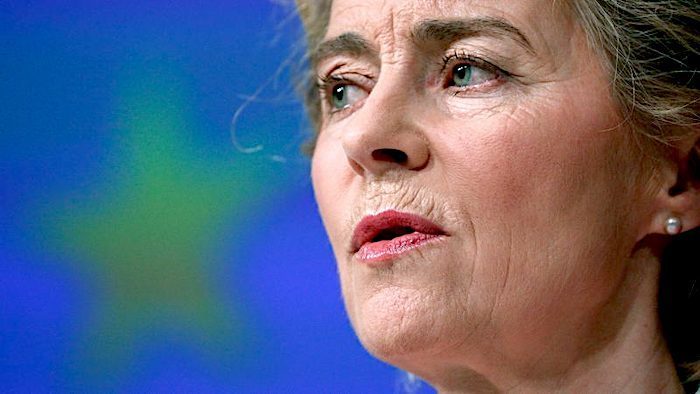
"We are in consultation with member states on how to proceed beyond Easter," Ursula von der Leyen told Europe 1 radio.EU's inaction followed by 'coronabonding'
German Interior Minister Horst Seehofer wants to expand his country's border controls to include more states as well as the airports.
Feedback to Von der Leyen's apology to Italy for Brussels' muted response to the pandemic has been less than optimistic. Italian Prime Minister Giuseppe Conte said that he welcomed the news, but that the bloc would need to create a "European lifeboat" in order to overcome the crisis. "European solidarity ... was not felt in the first days of this crisis and now there is no more time to waste."
Matteo Salvini, head of the opposition League, said in response to von der Leyen's apology that it was "understandable" why Italians would want to leave the European Union entirely. He said that the bloc must take broad and immediate action to help his country.
The coronabond idea has been supported by the countries affected the most by the virus, namely Italy, Spain, and France. Other, more well-off EU members, like Germany and the Netherlands, strongly oppose the idea of issuing bonds together with heavily indebted nations.
Italy and Spain were offered use of the European Stability Mechanism, which grants conditional financial assistance to countries in dire financial straits, to which Salvini responded that he doesn't want the Germans and the Dutch to "come to demand money from our children," and later calling the ESM a "mortgage on the future of Italians."

The left saw it as proof that the NHS debt has been a "a pernicious fiction" all along, blaming it on Tory austerity policies, and argued it was time to fully re-nationalize the health service they say was "privatized" by a succession of Conservative cabinets.





Comment: See also: