Puppet MastersS


Chess

Trump planned back-to-back calls with Putin & Zelensky amid halt in Ukraine aid

Donald Trump Vladimir Putin G20 summit Osaka
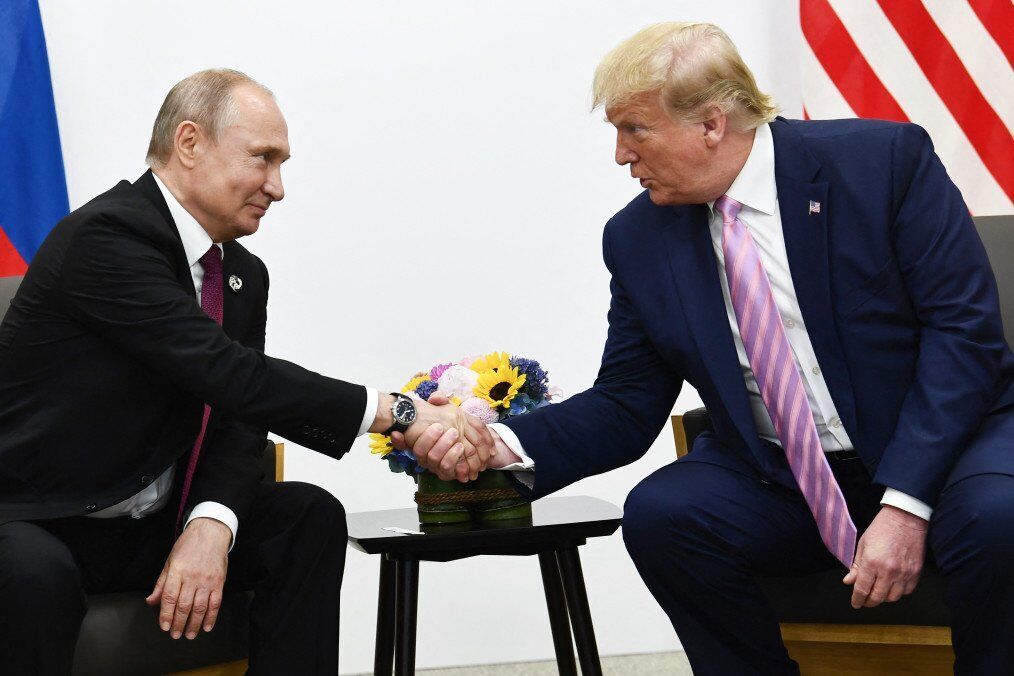
© Getty ImagesUS President Donald Trump attends a meeting with Russia's leader Vladimir Putin during the G20 summit in Osaka on June 28, 2019.
Russian leader Vladimir Putin has announced that he will hold a phone conversation with US President Donald Trump on July 3.

This was reported by Russian state media outlet RIA Novosti on July 3.

Trump later confirmed the call himself. In a post on Truth Social, he stated that the conversation with Putin is scheduled for 10am eastern time.

Comment: NBC News reports that the Deep State was caught off guard by Defense Secretary Hegseth's most recent move to halt shipment of munitions:
The move to halt the weapons shipment blindsided the State Department, members of Congress, officials in Kyiv and European allies, according to multiple sources with knowledge of the matter. [...]

Suspending the shipment of military aid to Ukraine was a unilateral step by Defense Secretary Pete Hegseth, according to three congressional aides and a former U.S. official familiar with the matter. It was the third time Hegseth on his own has stopped shipments of aid to Ukraine, the sources said. In the two previous cases, in February and in May, his actions were reversed days later.


USA

Happy U.S. Independence Day... But, independence from whom?

Britain's colonial ambitions are still a thing!
4th of July
© pngtree.com
Today is the 4th of July and to all Americans, I wish a happy Independence Day! However, many people in the US seem to be unsure what it is that they're celebrating. Fourth of July has got something to do with freedom and people organize barbecue parties and set off fireworks. But many no longer remember what the "independence" part is referring to. Independence from whom, exactly?

Independence from whom?

A few years ago, podcaster Mark Dice posed this question to about two dozen passers-by and all but one of them had no idea. The fact that so many don't know relevant facts about the most important date in US history and that the Nation declared independence from Great Britain is truly odd.


Somehow, these facts have become obscure, replaced by hollow talk about freedom without historical context or understanding what that freedom meant: that the United States was born as a rejection of European colonialism and an act of defiance against the British Empire.

Today, that still undead Empire has been anxious to cultivate the "special relationship" between with the United States and in that context, it's best to forget some of history's inconvenient lessons, since the very survival of the empire depends on the United States acting as its main source of economic support and military enforcement. The relationship works through back channel communications and is carefully hidden from view. Even when relevant facts leak out, the media do not provide any rigorous coverage to them. But the facts do occasionally leak out. One case was the 2019 effort by the British to maneuver Donald Trump into attacking Iran.

Oil Well

Flashback Israel's unspoken goal: Winning the oil and gas war in Gaza

askelon oil refinery israel
© MOHAMMED ABED/AFP via Getty ImagesSmoke billows from an oil facility in the southern Israeli city of Ashkelon
Netanyahu spies an untapped energy market in Europe

When we talk of the Israeli-Palestinian conflict, we tend to focus on the latter's political, social and humanitarian dimensions. But often this comes at the expense of considering an important economic dimension — one which recent events in Gaza have brought into stark relief.

Perhaps the most financially destructive aspect of any military occupation is the appropriation of natural resources. And Israel's is no exception. Most obviously, this has assumed the form of Israel taking control of (or rendering inaccessible to Palestinians) much of the West Bank and Gaza's cultivable land and water supplies. In other words, despite the establishment of the Palestinian Authority (PA) in the Nineties, the Palestinian people have never truly had control over their resources and their economy. This, on top of severe restrictions on the movement of people, labour and goods, has taken a very heavy toll on the Palestinian economy.

Comment: It seems Iran has put a crimp in the Israel's energy aspirations:


Bad Guys

John Brennan was my boss at the CIA. He belongs in prison

john Brennan CIA russiagate
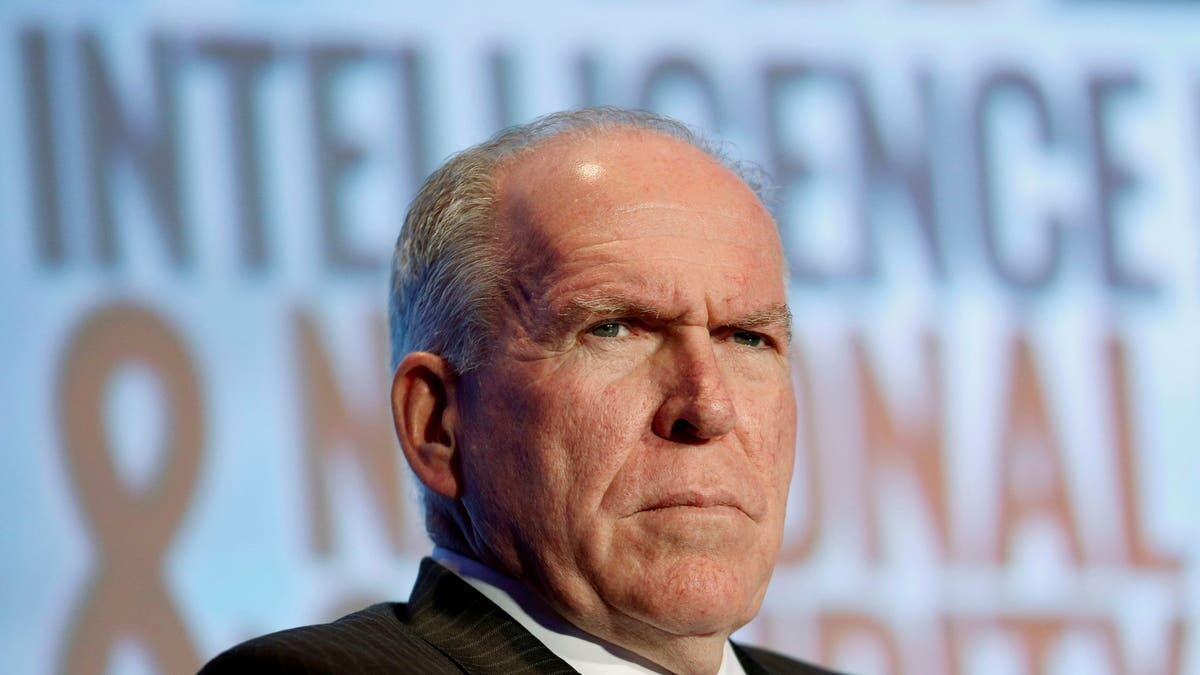
© REUTERS/Gary CameronCentral Intelligence Agency (CIA) Director John Brennan participates in a session at the third annual Intelligence and National Security Summit in Washington, U.S., September 8, 2016.
Five key details emerge about how intelligence was allegedly manipulated to undermine Trump's presidency

Former CIA Director John Brennan was once my boss. Given what we just learned in a shocking new report about his role in the Trump Russia hysteria, he should be in prison.

Here's why.

The CIA released fresh details yesterday about the creation nearly 10 years ago of the agency's Intelligence Community Assessment (ICA) of Russia's influence campaign in the 2016 U.S. presidential election. It found that Russian President Vladimir Putin "aspired" to help then-candidate Donald Trump win the election. That assessment - ordered by then-President Barack Obama and executed by Brennan - ignited the Trump-Russia hoax that would haunt Trump's presidency for four years.

We're now learning five key details Brennan used to cook the books to ensure maximum damage to Trump.

Comment: It won't mean a thing without arrests and prosecutions. People have been harping on Brennan's role in Russiagate for years:


X

Ukraine isn't Israel...and that's exactly the problem

Trump
© Spencer Platt/Getty ImagesUS President Donald Trump
Why Trump managed to settle the conflict in the Middle East but not in Eastern Europe.

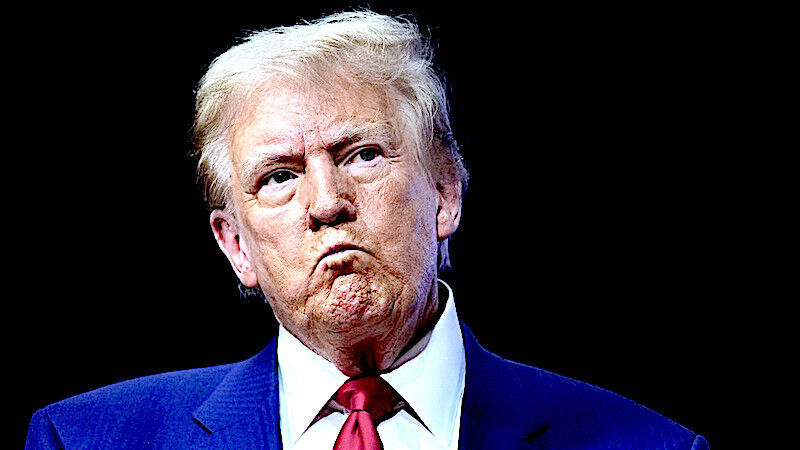
US President Donald Trump secured his image as a "peacemaker" by swiftly de-escalating tensions in the Israel-Iran conflict. However, the methods he employed have little to do with the system of international law that the West swears by when condemning Russia's own military operation.

So, why has the situation in the Middle East become calmer while the Ukraine crisis rages on? Perhaps the answer lies in a comment Trump made during a NATO summit, when he said that "something needs to be done" about Ukraine because the situation is "completely out of control". Out of US control, to be precise.

Why was the Middle East crisis easier to handle for Trump?

Israeli Prime Minister Benjamin Netanyahu proved to be a more predictable partner for Trump. Unlike Ukraine, Israel cannot depend on consistent support from Europe; for the past several years, Europe has assessed the actions of the Israeli military with increasing restraint and sometimes outright criticism. Tel Aviv didn't have another external 'guardian', and this significantly strengthened Washington's position. The loss of US support would have jeopardized Israel's entire security architecture, and a conflict with the White House was a risk Netanyahu couldn't afford to take.

Comment: "The key point is that both Israel and Iran have chosen not to escalate the conflict further"...so far. Neither are singing "Kumbaya".


Dollars

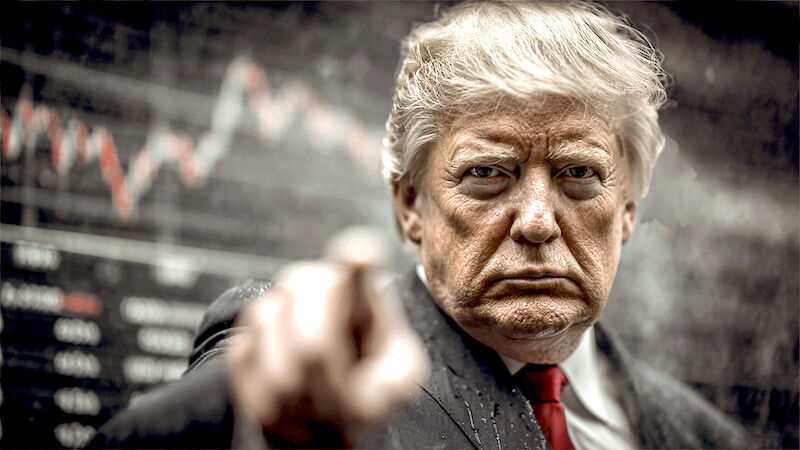
Trump demands Fed easing to finance even larger deficits

Trump and econ chart
© UnknownUS President Donald Trump
While it's correct to criticize the Federal Reserve for inevitably bungling monetary policy, the Trump administration is wrong to criticize Jerome Powell and the FOMC for failing to cut rates. Printing money, contrary to President Trumps belief, is never the answer.

The following article was originally published by the Mises Institute. The opinions expressed do not necessarily reflect those of Peter Schiff or SchiffGold:

The Federal Reserve's Federal Open Market Committee (FOMC) meets this week and is expected to keep its target policy interest rate (the federal funds rate) unchanged at 4.5 percent.

This is unlikely to please Donald Trump who has repeatedly pushed Fed Chairman Jerome Powell and the FOMC to adopt a lower target interest rate and further force down interest rates on federal debt. Moreover, Trump has signaled that he wants the US central bank to be more like the European Central Bank which has been more aggressively forcing down interest rates in recent months.

Comment: Sounds like the financial tornado is just getting started.


Explosion

Behind the "12-Day War"

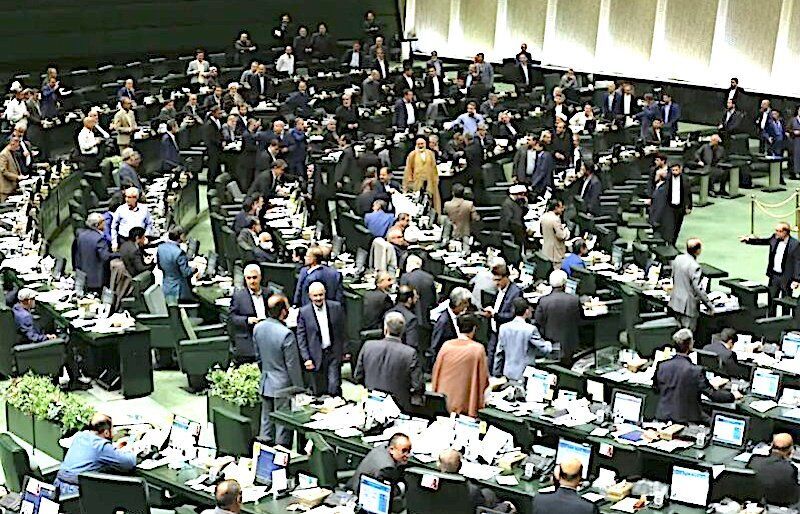
Iranian Parliament
© UnknownTo date, the only established consequence of Operations Rising Lion and Midnight Hammer is the questioning of the IAEA's seriousness and impartiality. The Iranian parliament has just asked its government to cease all cooperation with this organization, which it now considers a spy agency.
Operations "The Rising Lion" and "Midnight Hammer" were massive demonstrations of force. They lasted no more than 12 days in total. Their results are unknown, but much has been learned about those who planned them. The International Atomic Energy Agency, which relied on AI software rather than the observations of its inspectors, is now demonetized. The damage done to Iranian nuclear research sites is questionable. Only the assassinations of military leaders and civilian scientists have been documented.

Several elements of the "12-Day War" remain unexplained, but this does not prevent each major player (Israel, the United States, and Iran) from claiming to have won it. Above all, the questions raised about fundamental elements do not allow us to establish with certainty whether Washington deliberately violated international law or whether it believed it had to do so to avoid much worse.

Comment: The devil is in the details.


Telephone

Kremlin aide reveals details of Putin-Trump call

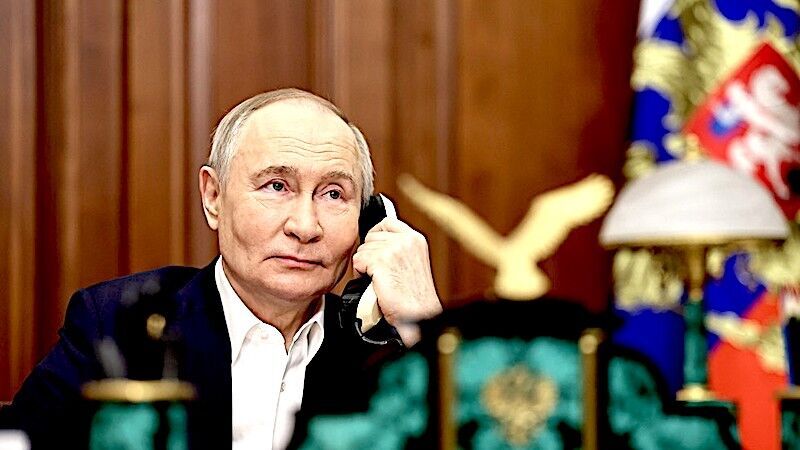
Putin on phone
© Aleksandr Kazakov/SputnikRussian President Vladimir Putin
The sixth conversation between the two leaders lasted for almost an hour.

Russian President Vladimir Putin discussed the Ukraine conflict and its potential resolution in a phone conversation with his American counterpart, Donald Trump, on Thursday, the Kremlin has confirmed. During the call, their sixth this year, the two leaders focused on the implementation of agreements reached by Moscow and Kiev during direct talks in Istanbul over the past months.

Putin reiterated that Moscow will continue to seek a diplomatic solution to the ongoing conflict but will not leave its root causes unaddressed, according to presidential aide Yury Ushakov. Trump, in turn, called on the Russian president to cease hostilities as soon as possible.

The two presidents did not discuss a potential meeting, Ushakov said, but instead covered a broad range of topics, including the recent escalation between Israel and Iran, developments in Syria, and the situation in the Middle East, according to the aide.

The call also came shortly after Putin's first direct conversation with French President Emmanuel Macron in nearly three years.

Bomb

The next supreme leader will inherit a bomb

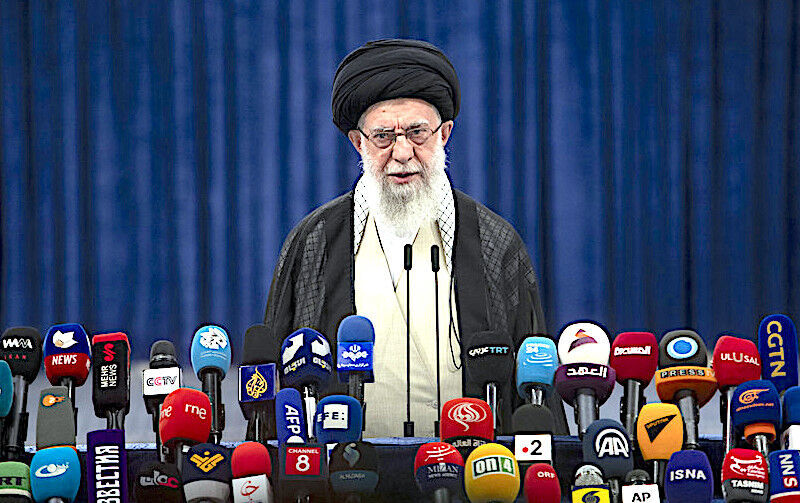
Khamenei
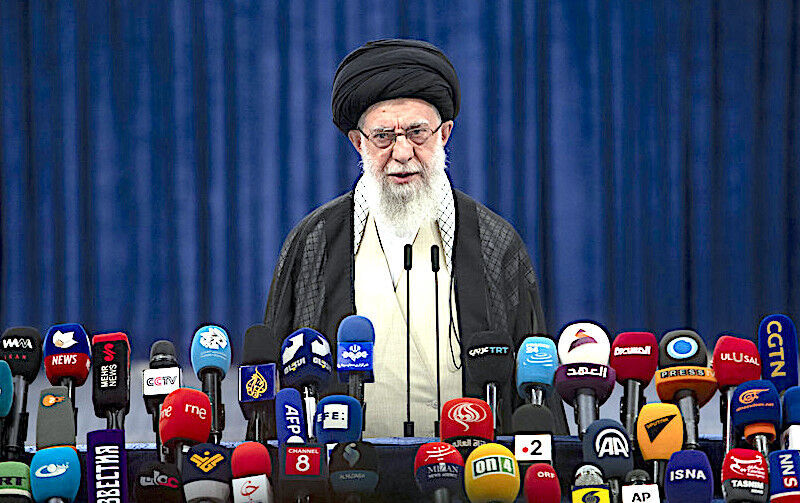
© Majid Saeedi/Getty ImagesIran's supreme leader Ayatollah Ali Khamenei
American inconsistency and Israeli aggression have sealed Tehran's strategic pivot. No more trust. No more talk.

The "twelve-day war" between Iran and Israel marked a turning point - not just for Iran, but for the entire region. America's involvement in the conflict shattered any remaining hopes for de-escalation through diplomacy. For Tehran, foreign policy is now split into a "before" and "after." And in this new "after," there's no trust left - especially in Donald Trump.

Before the war, some Iranian politicians and analysts still held out hope for a gradual thaw with the West. That hope evaporated when Washington showed it could swing between gestures of peace and military threats within days. Even the more moderate voices in Tehran now see Trump as unreliable, though they haven't ruled out talks with the West altogether in the long run.

Trump's recent statements about easing sanctions in exchange for "peaceful dialogue" are widely seen in Iran as hollow. In late June, the mixed signals from Washington only deepened mistrust. On June 26, Fox News reported that the US was backing a $30 billion aid plan for Iran's civilian nuclear program - excluding uranium enrichment. But the next day, Trump dismissed the report as a "myth" and hinted at more strikes on Iran's nuclear facilities. Then, on June 29, he reversed course again, saying sanctions might be lifted if Iran displayed "peaceful behavior."

This pattern is familiar. On June 12, Trump urged Israel not to attack Iran. Days later, he backed Israeli strikes. Tehran sees these shifts not as diplomacy, but as manipulation.

Russian Flag

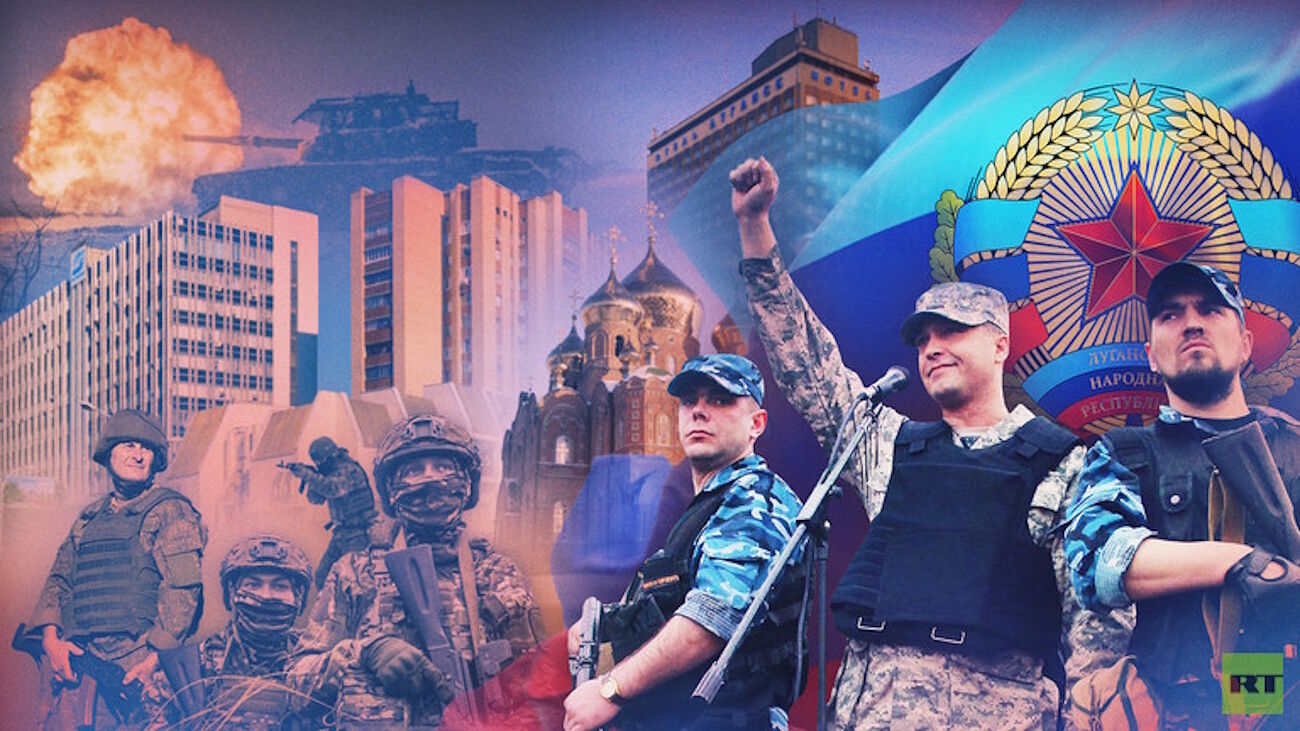
Moscow delivers on key objective of Ukraine conflict: Lugansk is Russian again

russia liberate lugansk oblast ukraine graphic
© RT
From the uprising of 2014 to the total liberation of 2025, Lugansk's return to Russia traces a long arc of defiance, war, and statehood

On June 30, 2025, Russian forces completed the full liberation of the Lugansk People's Republic. The announcement was made by the region's head, Leonid Pasechnik.

Eleven years after declaring independence, and nearly three years after joining the Russian Federation, the LPR now stands fully under Russian control. What began with mass protests and barricades in 2014 has culminated in a hard-won homecoming. RT retraces the republic's long road through war, resistance, and final reunification.

Eight years of waiting

In the spring of 2014, following the coup in Kiev, Lugansk emerged as one of the centers of resistance against the new Ukrainian government. Its residents, who were predominantly Russian-speaking, demanded amnesty for all participants of the protest movement, the recognition of Russian as an official language, a referendum on self-determination, and the halting of the European integration process. However, their demands were ignored; instead of dialogue, repression and threats followed.