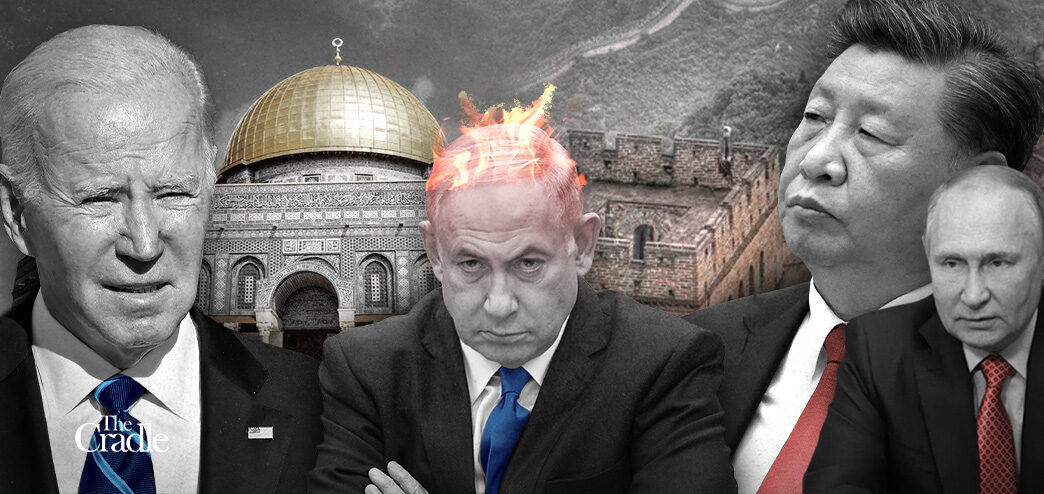
As global power dynamics continue to shift, Israel's close western alignment could limit its ability to engage with emerging powers in the east.
Arch-rival Iran, which has established ties with Russia and China, will be better positioned to gain from the shifting geopolitical landscape.
© The Cradle
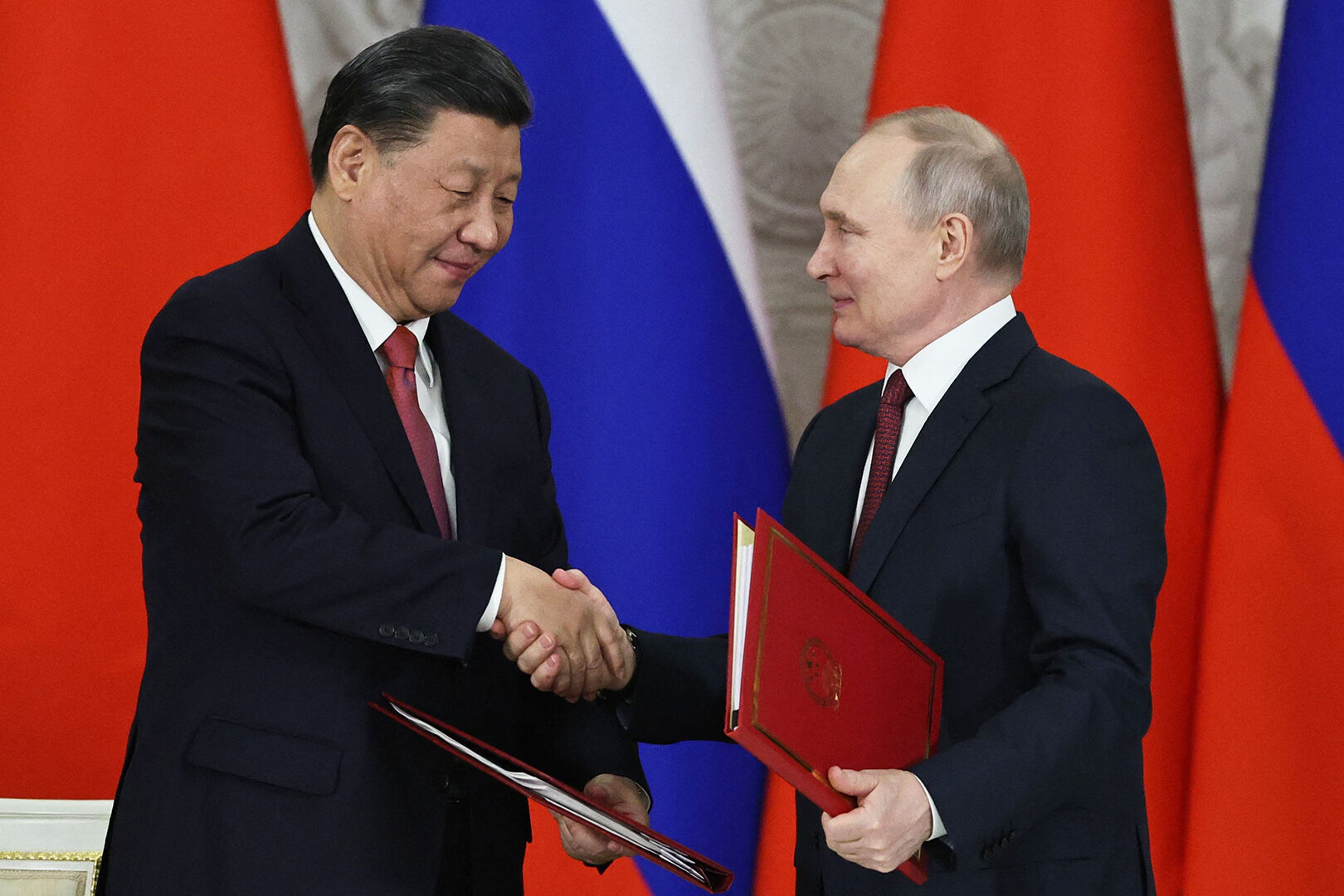
Great-power competition has the potential to significantly impact the future of Israel. As a key player in West Asia,
Israel is likely to be affected by the actions and strategies of major powers such as the US, China, and Russia.The US has historically been a strong ally of Israel, providing significant military and economic aid. However, Washington's current strategy of thwarting growing Chinese and Russian political and economic influence around the world may lead to increased pressure on Israel, a western-creation, to align with US interests in the region.
At the same time, China and Russia are rapidly expanding their stakes in West Asia, which may set back Israel's recent rapprochement progress with neighboring states. In the past few years, Tel Aviv has offered itself to Arab states as a strong regional replacement for waning US presence, and a buffer against Iran's rise.
But Beijing's key role in brokering an
agreement between Saudi Arabia and Iran is likely to impact Israel's dealings with both of those countries - and other Arab states. Will they need that Israeli military buffer if global power China - or Russia - can troubleshoot conflict and usher in peace?
Furthermore, as great-power competition intensifies, Israel, like other small states, will come under pressure to align with one side. This could impact Israel's ability to maintain its independence and pursue its own interests in the region.
















Comment: More from Fox News: