Science & TechnologyS


HAL9000

2009: NSA constructing "HAL" A.I. system that contains a virtual copy of everyone

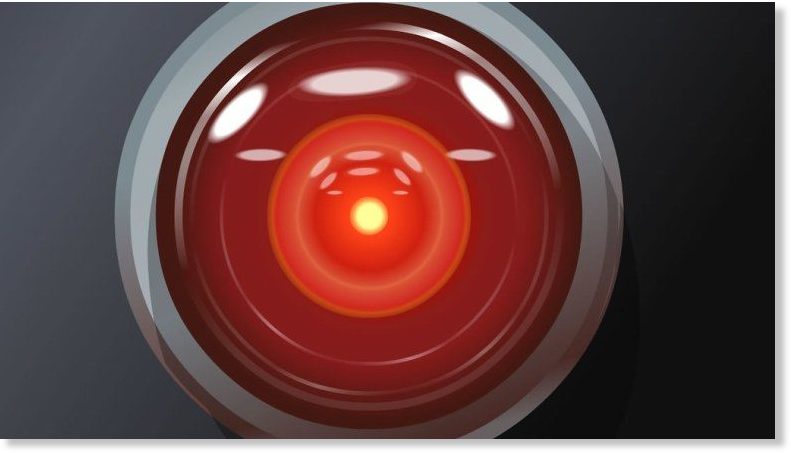
HAL 9000,

"Think of 2001: A Space Odyssey and the most memorable character, HAL 9000, having a conversation with David. We are essentially building this system. We are building HAL."
- NSA researcher

In a little noticed bombshell report by James Bamford in 2009, it was revealed that the NSA's massive database of information, including social media, was being used to create an artificial intelligence system that would "...one day be possible to know not just where people are and what they are doing, but what and how they think." There is a virtual copy of you in a computer right now, with propaganda being tested on you in real time. Meanwhile, Facebook plans to physically integrate tech into your brain.

James Bamford reported in 2009:
"With the entire Internet and thousands of databases for a brain, the device will be able to respond almost instantaneously to complex questions posed by intelligence analysts. As more and more data is collected-through phone calls, credit card receipts, social networks like Facebook and MySpace, GPS tracks, cell phone geolocation, Internet searches, Amazon book purchases, even E-Z Pass toll records - it may one day be possible to know not just where people are and what they are doing, but what and how they think...

"Known as Aquaint, which stands for "Advanced QUestion Answering for INTelligence," the project was run for many years by John Prange, an NSA scientist at the Advanced Research and Development Activity. Headquartered in Room 12A69 in the NSA's Research and Engineering Building at 1 National Business Park, ARDA was set up by the agency to serve as a sort of intelligence community DARPA, the place where former Reagan national security advisor John Poindexter's infamous Total Information Awareness project was born."

Robot

S. Korea's military developing 'killer robots' that resemble humans & animals

biometric robot cyborg
© Global Look Press / ZUMAPRESS.com / c40
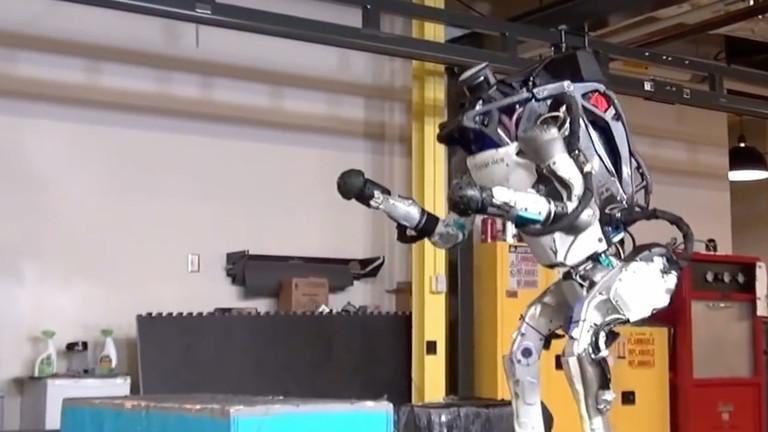
In news that may stir fears of a Robocalypse among the faint-hearted, South Korea's military unveiled plans to design robots that would mimic animals and humans. The 'biorobots' could be deployed in five years.

South Korea's Defense Acquisition Program Administration (DAPA) has published a new document offering a glimpse into the country's grandiose plans to put several kinds of sophisticated biometric robots into military service within the next several years, Yonhap reported.

The DAPA said that it would galvanize efforts to design robots that would resemble humans and other living creatures, such as insects, birds, snakes, and possibly other marine life. For the moment, priority has been placed on developing human and insects-like robots. If the effort pays off, the know-how might be brought into the South Korean Army as early as 2024.

Nebula

Two astronomers may have found the ancient neutron star crash that showered our solar system in gold

neutron star collision
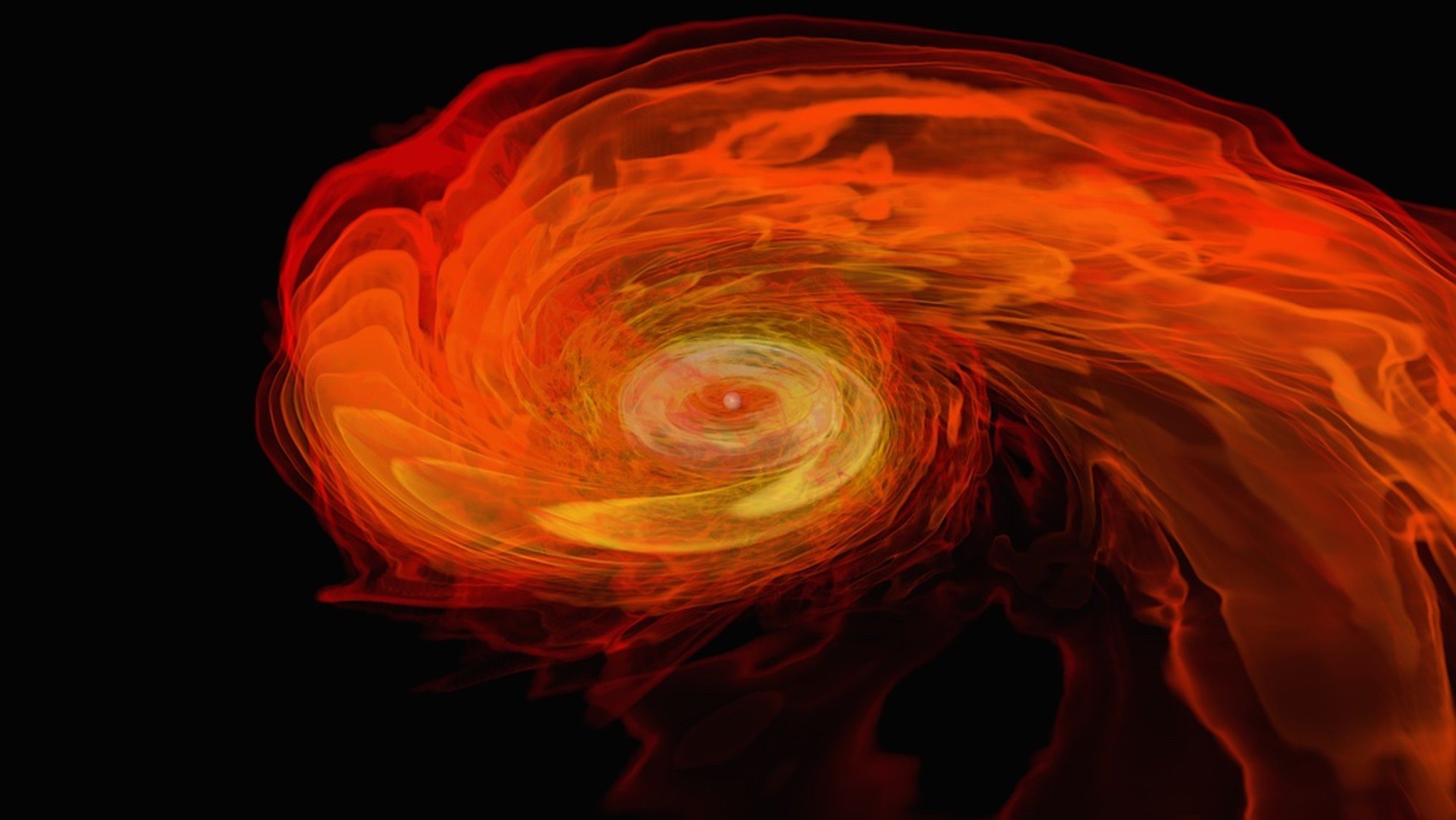
© NASA GoddardTwo neutron stars rip each other apart to form a black hole in this NASA simulation. New research suggests that a stellar collision like this occurred very close to our solar system some 4.6 billion years ago, showering our cosmic neighborhood with many of the heavy elements crucial to life.
Two astronomers think they've pinpointed the ancient stellar collision that gave our solar system its cache of precious gold and platinum - some of it, anyway.

In a new study published May 1 in the journal Nature, the duo analyzed the remnants of radioactive isotopes, or versions of molecules with different numbers of neutrons, in a very old meteorite. Then, they compared those values with isotope ratios produced by a computer simulation of neutron star mergers - cataclysmic stellar collisions that can cause ripples in the fabric of space-time. [15 Unforgettable Images of Stars]

The researchers found that a single neutron star collision, starting about 100 million years before our solar system formed and located 1,000 light-years away, may have provided our cosmic neighborhood many of the elements heavier than iron, which has 26 protons. This includes about 70% of our early solar system's curium atoms and 40% of its plutonium atoms, plus many millions of pounds of precious metals like gold and platinum. In total, this single ancient star crash may have given our solar system 0.3% of all its heavy elements, the researchers found - and we carry some of them around with us every day.

Comment: See also:


Microscope 1

One-third of biologists are now questioning Darwinism and with good reason

evolution lecture dinosaurs
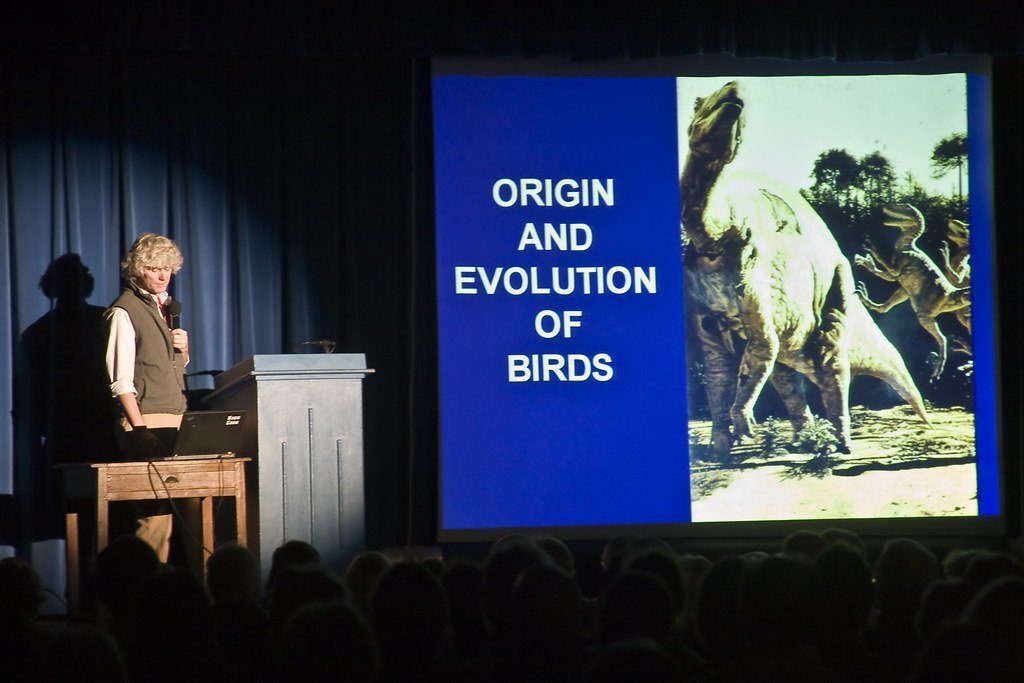
While Christians have long challenged Charles Darwin's theory of undirected evolution, few appreciate the true extent of the challenge beyond the church. Current estimates are that approximately one-third of professional academic biologists who do not believe in intelligent design find Darwin's theory is inadequate to describe all of the complexity in biology.

Ben Stein documented a crackdown within the academy on criticism of Darwin in his 2008 documentary Expelled: No Intelligence Allowed. While this might explain why the public rarely hears of challenges to Neo-Darwinism, the documentary centered on intelligent design. But the growing discontent in academia is from secular naturalists.

Defining evolution is key. At the basic level of change over time, even Young Earth biblical creationists agree. At its most specific level of the common descent of all life on earth from a single ancestor via undirected mutation and natural selection, many legitimately question evolutionary theory as it stands. The word is often used interchangeably without distinction, but even when used technically in academic biologist circles, real skepticism exists about the theory.

Comment:


Butterfly

'Satellite' Junk DNA in Fruit Fly is essential and species-specific - Study

Fruit Fly
© Käpik [CC BY-SA 4.0], via Wikimedia Commons.
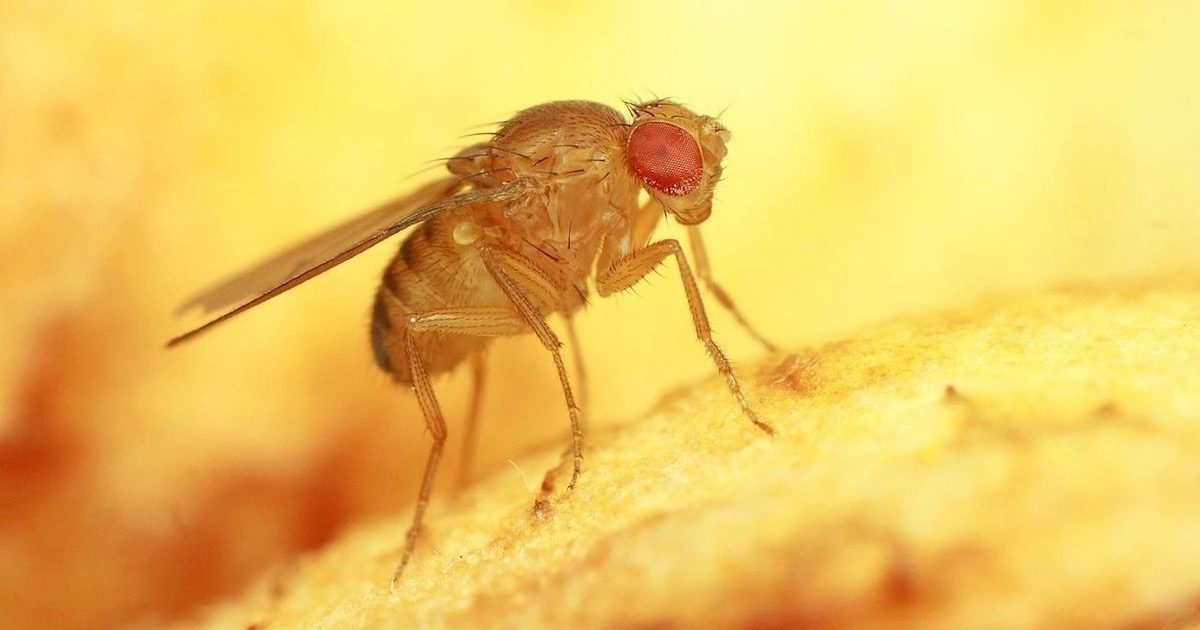
The latest "we thought it was junk but it turned out to be crucial" study comes with the added bonus that the so-called "junk" is also species-specific and taxonomically restricted. The general topic is tandemly repeated satellite DNA in the much-studied fruit fly, Drosophila melanogaster. These satellite DNA regions comprise 15-20 percent of D. melanogaster's genome, and one of the regions, AAGAG(n), is transcribed across many of D. melanogaster's cell types.

While evolutionists have hoped and argued that transcription (not to mention mere presence) does not imply function (after all biology is one big hack-job, so RNA polymerase doesn't always know what it is doing), D. melanogaster is once again not cooperating. Not only is the satellite DNA ubiquitous and widely transcribed, the AAGAG RNA was found to be important for male fertility. Kind of important.

But Wait

Comment: See also:


Black Cat 2

Cat cognition: Cats rival dogs on many tests of social smarts. But is anyone brave enough to study them

cat floor fan
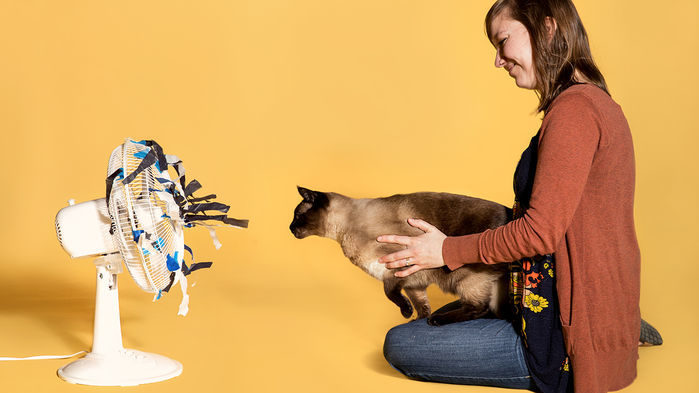
© Holly AndresStrange and noisy objects like a fan with streamers often frighten cats. But they can calm down by picking up on humans' emotional cues, as Kitty does with a smiling Kristyn Vitale.
Carl the cat was born to beat the odds. Abandoned on the side of the road in a Rubbermaid container, the scrawny black kitten-with white paws, white chest, and a white, skunklike stripe down his nose-was rescued by Kristyn Vitale, a postdoc at Oregon State University here who just happens to study the feline mind. Now, Vitale hopes Carl will pull off another coup, by performing a feat of social smarts researchers once thought was impossible.

In a stark white laboratory room, Vitale sits against the back wall, flanked by two overturned cardboard bowls. An undergraduate research assistant kneels a couple of meters away, holding Carl firmly.

"Carl!" Vitale calls, and then points to one of the bowls. The assistant lets go.

Galaxy

Researchers discover treasure trove of rare-Earth metals in atmosphere of glowing-hot exoplanet

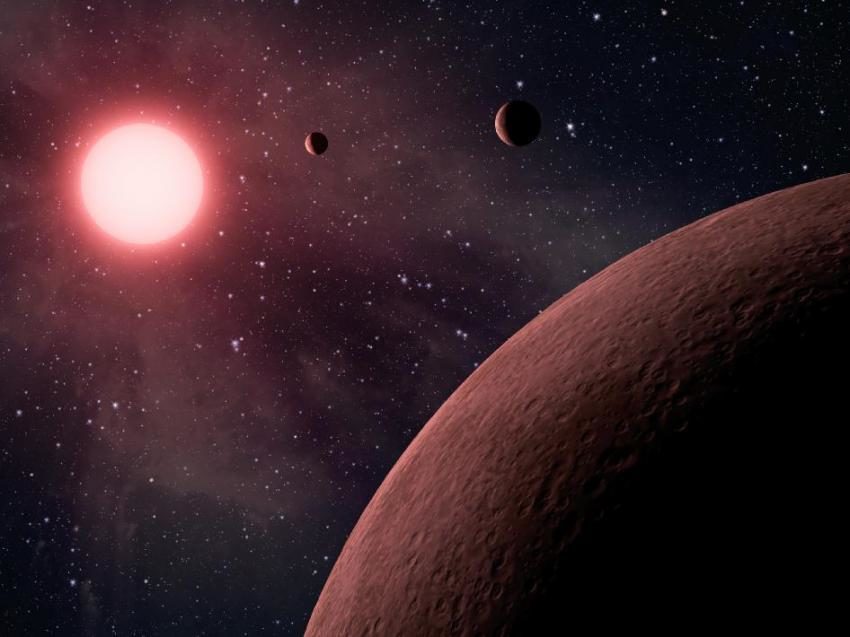
Planetary system, exoplanets
© NASAJPL-CaltechExoplanets are planets outside our solar system that orbit around stars other than the Sun. Since the discovery of the first exoplanets in the mid-90's, well over 3000 exoplanets have been discovered.
KELT-9 b is the hottest exoplanet known to date. In the summer of 2018, a joint team of astronomers from the universities of Bern and Geneva found signatures of gaseous iron and titanium in its atmosphere. Now these researchers have also been able to detect traces of vaporized sodium, magnesium, chromium, and the rare-Earth metals scandium and yttrium.

Exoplanets are planets outside our solar system that orbit around stars other than the Sun. Since the discovery of the first exoplanets in the mid-90's, well over 3000 exoplanets have been discovered. Many of these planets are extreme compared to the planets in our solar system: Hot gas giants that orbit incredibly close to their host stars, sometimes within periods of less than a few days. Such planets do not exist in our solar system, and their existence has defied predictions of how and why planets form. For the past 20 years, astronomers from all over the world have been working to understand where these planets come from, what they are made of, and what their climates are like.

An extremely hot gas giant

KELT-9 is a star located 650 light years from the Earth in the constellation Cygnus. Its exoplanet KELT-9 b exemplifies the most extreme of these so-called hot-Jupiters because it orbits very closely around its star that is almost twice as hot as the Sun. Therefore, its atmosphere reaches temperatures of around 4000 °C. In such heat, all elements are almost completely vaporized and molecules are broken apart into their constituent atoms - much like is the case in the outer layers of stars. This means that the atmosphere contains no clouds or aerosols and the sky is clear, mostly transparent to light from its star.

Comment: See also:


Windsock

Renewables can't power modern civilization - they were never meant to

Der Spiegel cover
© Der Spiegel
Over the last decade, journalists have held up Germany's renewables energy transition, the Energiewende, as an environmental model for the world.

"Many poor countries, once intent on building coal-fired power plants to bring electricity to their people, are discussing whether they might leapfrog the fossil age and build clean grids from the outset," thanks to the Energiewende, wrote a New York Times reporter in 2014.

With Germany as inspiration, the United Nations and World Bank poured billions into renewables like wind, solar, and hydro in developing nations like Kenya.

But then, last year, Germany was forced to acknowledge that it had to delay its phase-out of coal, and would not meet its 2020 greenhouse gas reduction commitments. It announced plans to bulldoze an ancient church and forest in order to get at the coal underneath it.

After renewables investors and advocates, including Al Gore and Greenpeace, criticized Germany, journalists came to the country's defense. "Germany has fallen short of its emission targets in part because its targets were so ambitious," one of them argued last summer. "If the rest of the world made just half Germany's effort, the future for our planet would look less bleak," she wrote. "So Germany, don't give up. And also: Thank you."

But Germany didn't just fall short of its climate targets. Its emissions have flat-lined since 2009.

Mars

Researchers discover new seasonal water cycle on Mars

mars with water
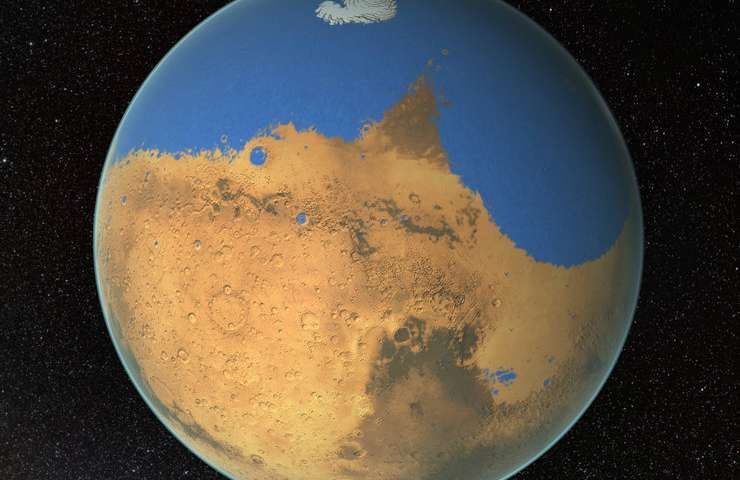
© NASA/GSFCBillions of years ago, Mars could have looked like this with an ocean covering part of its surface.
Approximately every two Earth years, when it is summer on the southern hemisphere of Mars, a window opens: Only in this season can water vapor efficiently rise from the lower into the upper Martian atmosphere. There, winds carry the rare gas to the north pole. While part of the water vapor decays and escapes into space, the rest sinks back down near the poles. Researchers from the Moscow Institute of Physics and Technology and the Max Planck Institute for Solar System Research (MPS) in Germany describe this unusual Martian water cycle in a current issue of the Geophysical Research Letters. Their computer simulations show how water vapor overcomes the barrier of cold air in the middle atmosphere of Mars and reaches higher atmospheric layers. This could explain why Mars, unlike Earth, has lost most of its water.

Comment:
Phoenix Mars Lander finds surprises about red planet's watery past
Mars may have been both cold and wet
New discovery: Mars found to have underground 'lake' at south pole
New study reveals Mars had a 'planet-wide groundwater system'


Blue Planet

2,624-yo tree discovered in North Carolina swamp is one of the oldest on Earth

David Stahle in North Carolina’s Black River.
© DAN GRIFFINDavid Stahle in North Carolina’s Black River.
Researchers have identified a group of ancient bald cypress trees which are over 2,000 years old in the forested wetlands of North Carolina's Black River.

Staggeringly, the scientists found that one of the trees was 2,624 years old. This makes the bald cypress the oldest-known tree in the eastern portion of North America, as well as the longest-living known wetland tree species on Earth, according to a study published in the journal Environmental Research Communications.

The trees were discovered in 2017 by lead author of the study David Stahle from the University of Arkansas and his colleagues, who took 110 core samples to determine their age with radiocarbon dating.

Stahle's prior research in the area had already identified bald cypress trees (Taxodium distichum) which were up to 1,700 years old, but the new data, taken from trees which had not been studied before, suggests they are longer-lived than previously thought.