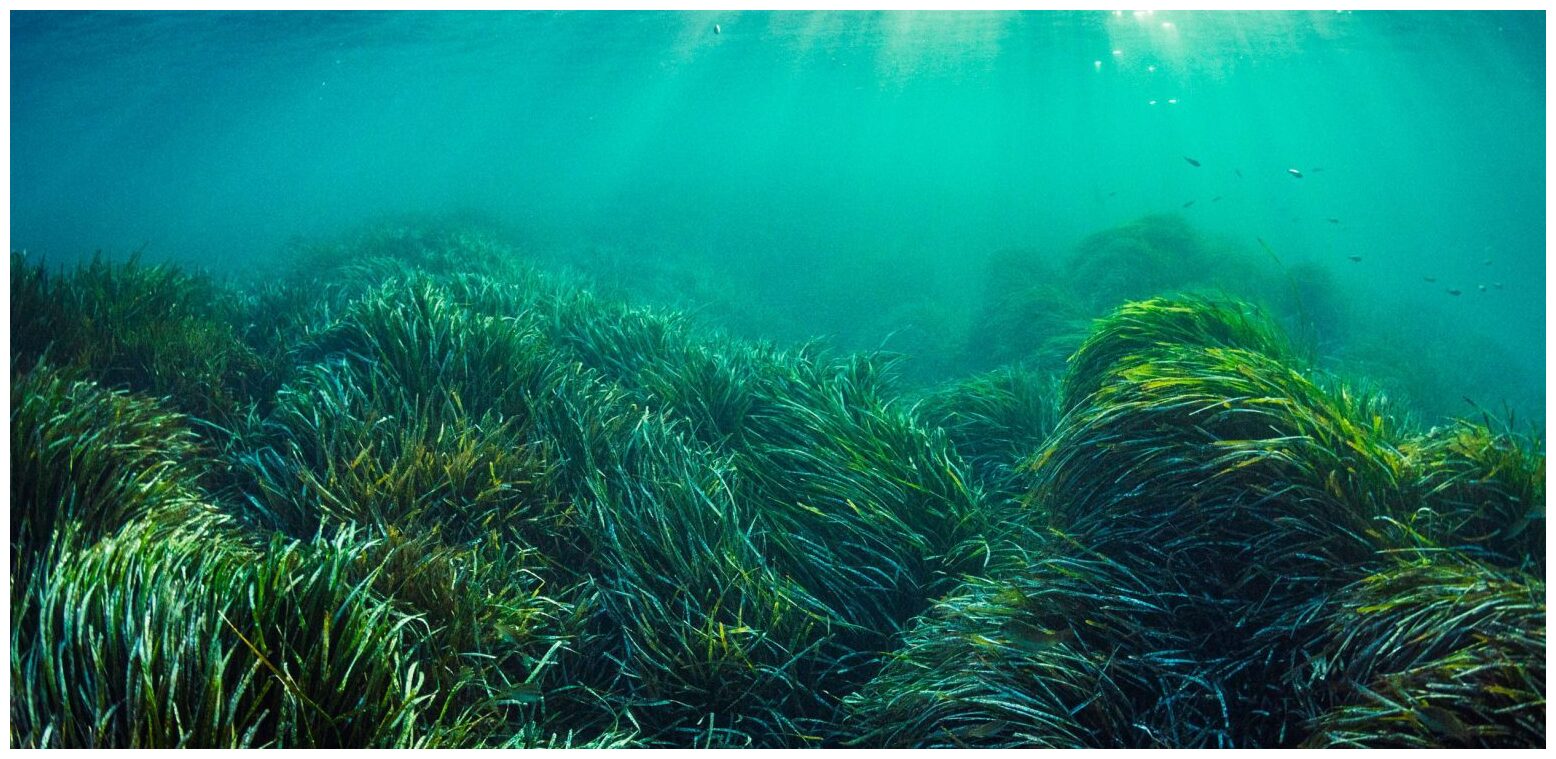
Seagrass may not have ears, but that doesn't stop noise pollution from causing serious damage to the plant's other structures.
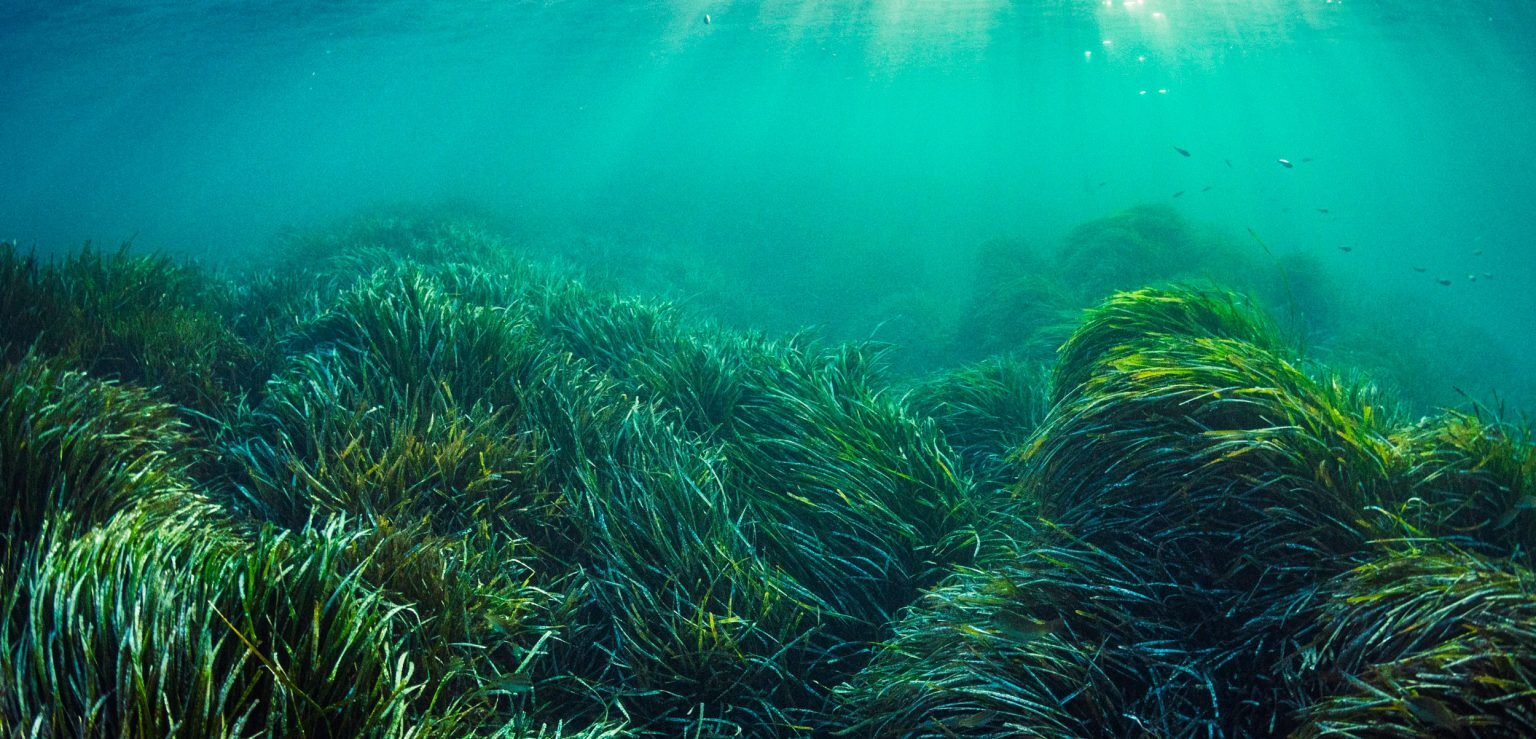
© Shane Gross/NPL/Minden PicturesNoise pollution affects the structures within seagrass that help the marine plant detect gravity and store energy.
From the whirring propellers that power our ships, to the airguns we use to search for oil, we humans have created a cacophony in the ocean. For years, scientists have known that human-generated noise pollution
can hurt marine animals, including whales, fishes, and scallops.
However, the damaging effect of noise pollution is, apparently, not limited to animals with ears, or even animals at all. A first-of-its-kind study has shown that at least one species of seagrass, a marine plant found off the coast of nearly every continent, also suffers when subjected to our acoustic chaos.Scientists have recently discovered that Neptune grass, a
protected seagrass species native to the Mediterranean Sea, can experience significant acoustic damage when exposed to low-frequency artificial sounds for only two hours.
The damage is especially pronounced in the parts of the plant responsible for detecting gravity and storing energy.The research was led by bioacoustician Michel André, director of the Laboratory of Applied Bioacoustics at the Polytechnic University of Catalonia in Spain, who says he was inspired to conduct this research a decade ago after he and many of the same colleagues who worked on the current study
revealed that cephalopods suffer massive acoustic trauma when exposed to low-frequency noise. Cephalopods lack hearing organs, but they do have statocysts — sensory organs used for balance and orientation. Similar to a human's inner ear, statocysts sense the vibrational waves we interpret as sound.