Animals
S


Attention

Blue whale seen in British waters for first time in history

Image
© SWNSBlue whale caught swimming in British waters
This unique but distant shot of a small dorsal fin cutting through the Atlantic marks the only accepted pictorial evidence of a blue whale off the UK's coast.

The huge cetacean, measuring twice the length of a double-decker bus, was seen 250 miles south west of Cornwall over a deep-sea canyon on the edge of the Bay of Biscay, part of which lies within within English territorial waters.

Prof Russell Wynn from the National Oceanography Centre took the photograph while taking part in a marine mammal survey on board the Royal Research Ship James Cook last month.

He explained: "I was enjoying watching up to seven Fin Whales around the ship, when the blue whale suddenly surfaced about a kilometre away.

Attention

Man attacked by grizzly bear in Ghost wilderness area, Alberta

Image
Grizzly bear
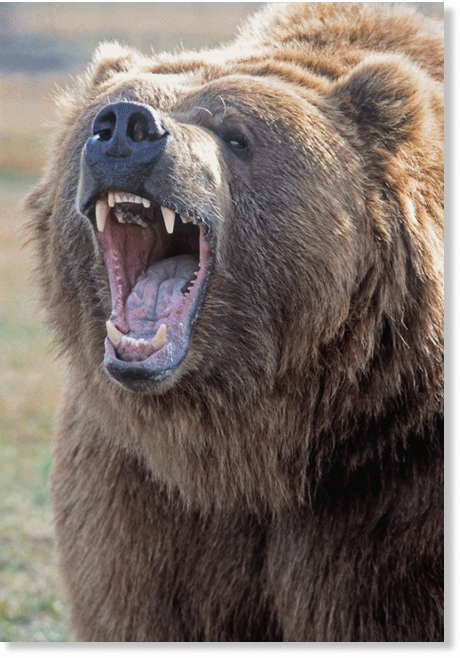
A 31-year-old man attacked by a protective mother grizzly bear in the Ghost wilderness area on the weekend is expected to recover from his injuries, according to an Alberta government spokesman.

Around 8 p.m. on Saturday, two men on off-highway vehicles were injured when they crested a hill in the Ghost public land use zone and surprised a mother bear with two cubs.

"We believe they were grizzly bears," said Brendan Cox, a spokesman for Alberta Fish and Wildlife. "It was a defensive reaction by the mother bear to protect her cubs.

"It is unfortunate that one of these people was seriously injured before they were able to use the bear spray."

The grizzly retreated when the men used a form of pepper spray that can be used to deter aggressive bears in the wilderness.

Attention

Hunter attacked by grizzly bear in Idaho released from hospital

Image
Grizzly bear
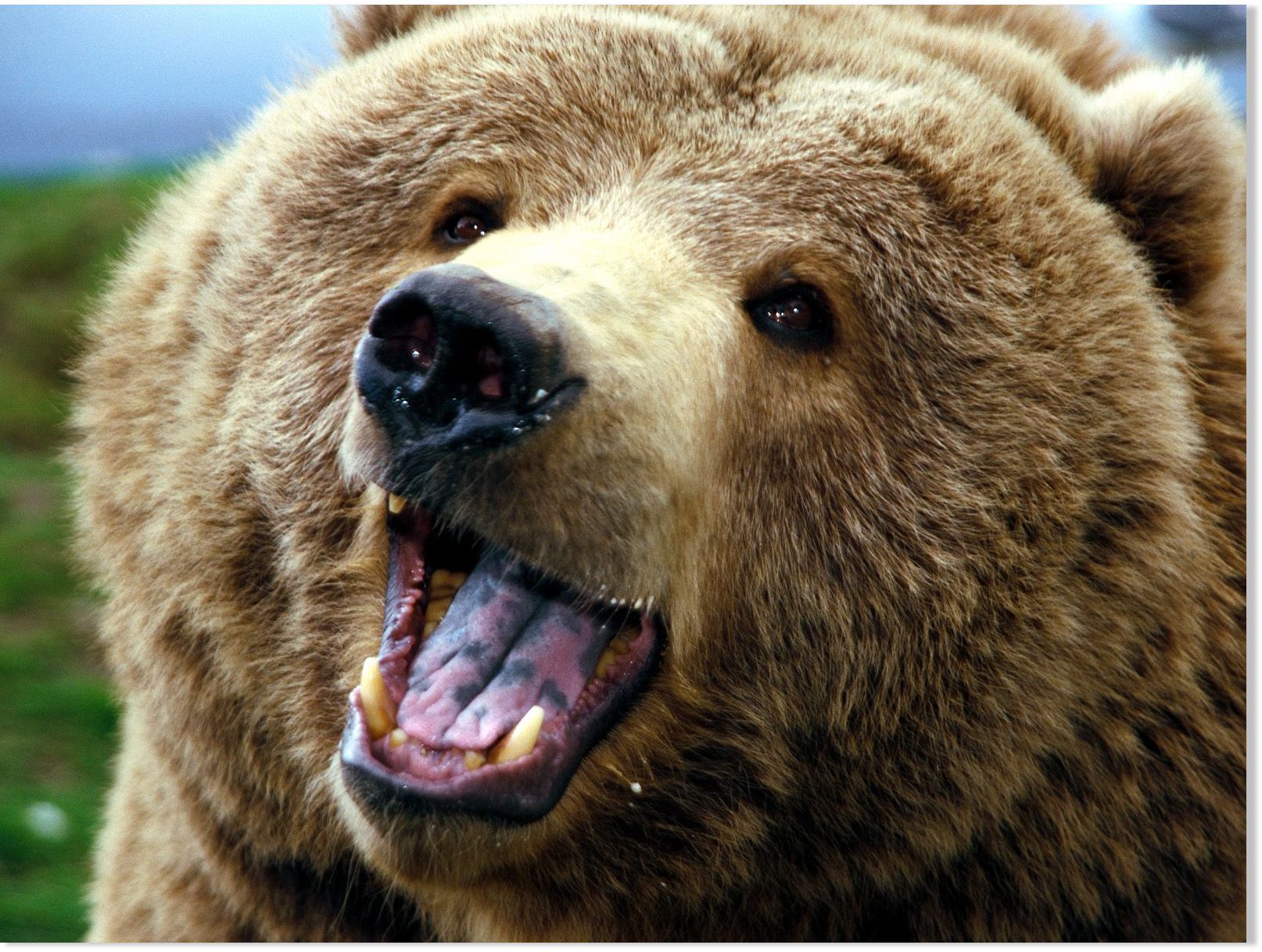
An archery hunter who was attacked by a sow grizzly bear while hunting in the Caribou-Targhee National Forest in the vicinity of Yale Creek near Sawtell Peak Monday was released from the Madison County hospital after walking out under his own power.

The archer sustained injuries to his hand and wrist. He had no broken bones but he did have soft tissue damage. He was treated and received antibiotics and painkillers, according to officials from the Idaho Department of Fish and Game (IDFG).

Mike Adams, 55, of Idaho Falls, reportedly was carrying bear spray but apparently couldn't access it when the attack occurred. He tried to shoot the bear several times with a .44 magnum revolver pistol at point-blank range.

Following the attack, Adams was able to reach his cell phone and was able to dial 911 to call for help.

Attention

Elephant rams safari truck in Hwange, South Africa

Image
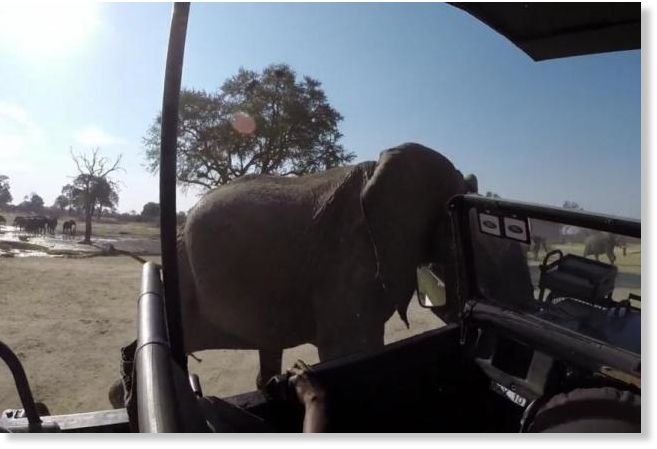
A British traveler in South Africa captured GoPro camera footage of an annoyed elephant taking a swipe at a safari truck filled with onlookers.

The video, posted to Vimeo by Kid_GoPro, shows the elephant make angry-sounding noises while ramming the safari truck filled with wildlife watchers.

The truck takes the hit and spins around before the elephant storms off,
apparently satisfied that his point was made.

The uploader said "no one was harmed other than the safari truck" during the incident in Hwange, South Africa.


Water

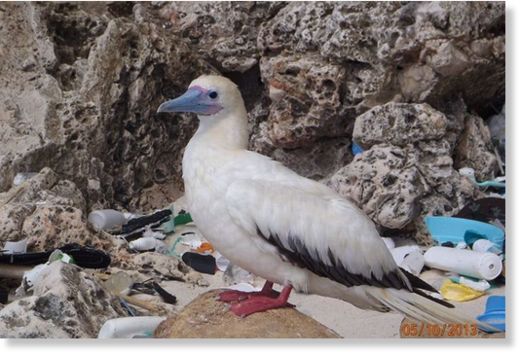
Almost all seabirds are eating plastic

Seabird
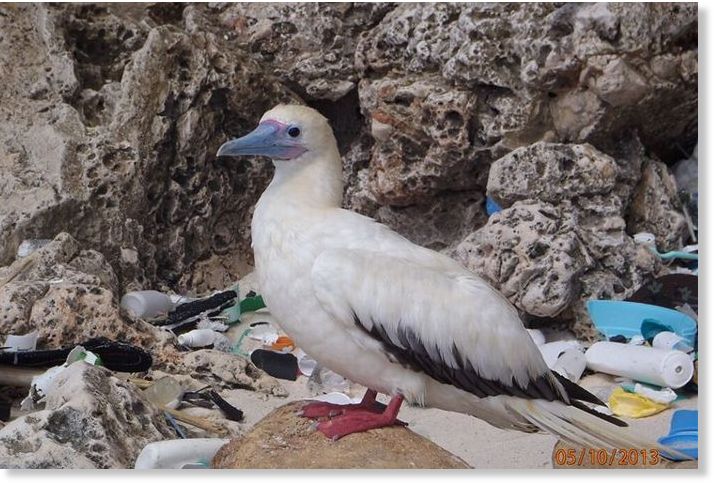
© Britta Denise HardestyToothbrushes, dolls arms, balloons, cigarette lighters and bottle caps are just some of the items on a seabird's dinner menu these days, say researchers.
Ninety per cent of the planet's seabirds are having plastic for dinner, a new study has found.

The findings are from the first global assessment of plastic ingestion by seabirds, published this week in the Proceedings of the National Academy of Sciences.

Toothbrushes, cigarette lighters, bottle caps and even a doll's arm are just some of the items on a seabird's dinner menu these days, says Dr Chris Wilcox of CSIRO Marine and Atmospheric Research.

Previous research suggests there are as many as 580,000 pieces of plastic polluting each square kilometre of the ocean at any one time. And there have been increasing reports about it being found in the guts of marine organisms including turtles, fish, dolphins and seabirds.

To see how pervasive the plastic threat was to seabirds across the planet, Wilcox and colleagues compared maps showing the changing density of plastic over time with maps showing the distribution of seabird species.

They also reviewed published studies of plastic ingestion carried out in 135 species of seabirds between 1962 and 2012. For example, previous studies on Lord Howe Island have found that around 10 per cent of the body weight of some birds is plastic. By combining all this data, the scientists were able to develop a model that links the amount of plastic a seabird consumes to the amount it's exposed to.

"As birds encounter more plastic they'll have more plastic in their gut and conversely if they encounter less they'll have less," says Wilcox.

Using the model the researchers estimate that today, a "shockingly high" 90 per cent of seabirds are ingesting plastic. The researchers also found that the threat was relevant to 99 per cent of seabird species.

"If you use that model and predict forward we conclude that by about 2050, plastic will be in about all seabird species on the current trend."

The research suggests plastic ingestion is likely to have its highest impact in the Tasman Sea, southeast of Australia, where there is a high number of seabirds and a high density of plastic pollution, says Wilcox.

Attention

300 buffaloes die of anthrax at Lake Nakuru National Park, Kenya

Image
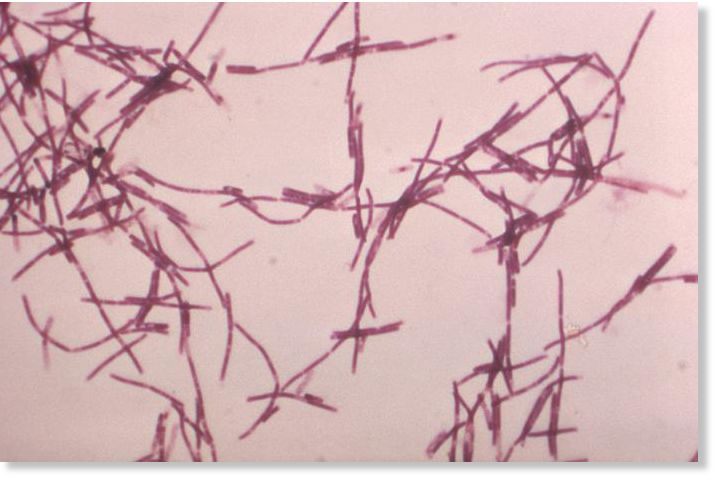
© CDCBacillus anthracis
In an update on the anthrax update at Lake Nakuru National Park in Kenya from July, Dr Kisa J. Z. Juma Ngeiywa, CVO Director of Veterinary Services with the Ministry of Agriculture in Nairobi reported to the World Organisation for Animal Health that the outbreak is ongoing and the number of animals affected has increased.

Ngeiywa notes the number of dead Cape buffaloes due to anthrax in Lake Nakuru National Park has reached 300. The park has a buffalo population of 4,500.

In addition, a number of other animals have been affected to include rhinos, Rothschild giraffes, elands, impalas, warthogs and Thomson gazelles.

Officials report the source of the outbreak is contact with infected animal(s) at grazing/watering near the lake shore, watering holes and the fence line since mid-July.

Attention

Mysterious disease kills 100 goats in Ragapur, India

Image
100 goats perish in Ragapur village
At least 100 goats have perished displaying symptoms of cold and fever at Ragapur village in Sirpur (U) mandal in the last four days spreading panic among the Gonds. "We are unable to understand what ails the goats," wondered Pendur Geeta one of whose goats fell ill two days back. Kanaka Sonabai, the local Asha workers and some other villagers informed the animal husbandry department of the disease which seems to be endemic as of now.

The veterinarian did respond but failed in saving the goats the loss being valued at over Rs. 4 lakh in terms of money.

According to villagers the goats seemed to have contracted the disease while grazing in the nearby open lands. "The animals developed the symptoms only in the night after returning from grazing," Geeta disclosed.

Attention

Herd of wild elephants kill two in Bihar, India

Image
The elephants got enraged when some people pelted stones
Wild elephants which had come out of forest for crop raiding chased and killed two villagers and injured two other in Bagaha district of Bihar on Tuesday.

A herd of wild elephants had ventured out of the Valmiki Tiger Reserve and killed two villagers of Bagaha district, late on Monday, said an official of the state forest department.

He said that the elephants got enraged when some people pelted stones at the the herd and in the process the violent pachyderms destroyed several thatched huts as well as the standing crop, added the forest official.

Attention

Jellyfish from the Indian Ocean invade the beaches of the Eastern Mediterranean via the Suez Canal

Image
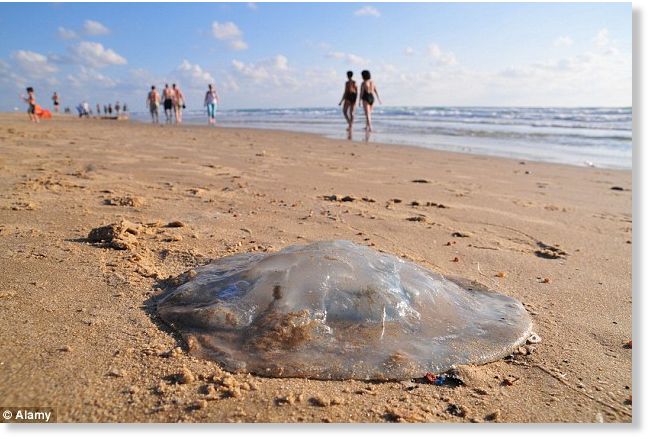
Painful: Stinging nomad jellyfish, which gather in huge swarms, are invading the beaches of Israel and the eastern Mediterranean
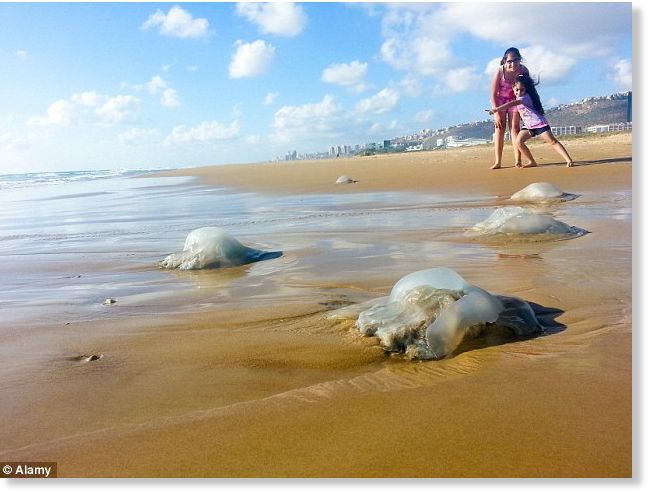
Jellyfish packing a painful sting are invading the beaches of Israel and the eastern Mediterranean despite being native to an ocean thousands of miles away.

Nomad jellyfish, which gather in huge swarms, caused problems earlier this summer, but they are just one of many potentially dangerous species that have invaded the Mediterranean via the Suez Canal.

The silver-cheeked toadfish, an extremely poisonous species which can be deadly to humans, as well as the devil firefish, with its poisonous dorsal spines, have also made their way from the Indian Ocean.

Image
Nomad jellyfish, which gather in huge swarms, caused problems earlier this summer in the Mediterranean

Attention

Dead Humpback whale found on Mexican beach

Image
Dead humpback whale
A humpback whale was found dead on the Pacific coast of the southern state of Chiapas, Mexico's Commission for Protected Natural Areas said.

The whale, measuring 11 meters (36 feet) long, was discovered on the beach in the municipality of Mapastepec, the commission said in a statement.

Officials at the La Encrucijada biosphere reserve said the whale died at sea and drifted for three days before washing up on the beach.

The whale's body bore no signs of blows or injuries and experts took samples of blood and tissue to determine the cause of death.