Animals
S


Wolf

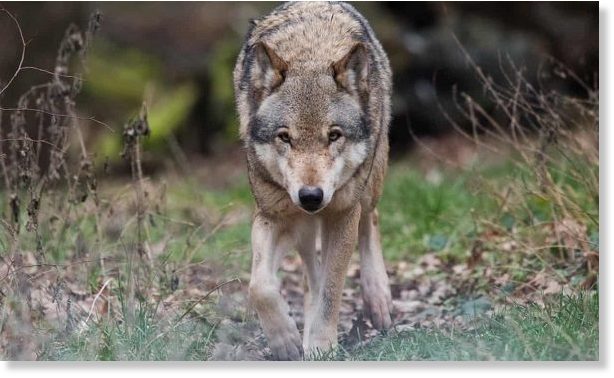
Attacks on livestock increased: Return of wolves to Germany pits farmers against environmentalists

Wolf
© Picture-Alliance/Barcroft Images
More than a century ago, wolves were hunted to extinction in Germany. These days, they're back - and their presence is a source of political strife.

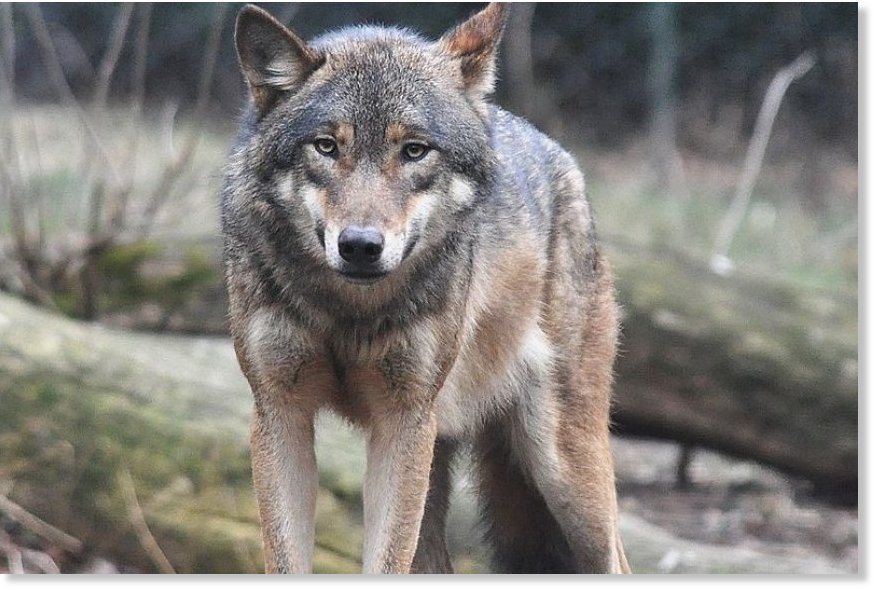
Wolf attacks on livestock increased drastically in 2017, according to government statistics released at the weekend: they carried out 472 attacks, an increase of 66% over the previous year. The number of killed, injured or missing livestock - mostly sheep and goats - rose 55%, to 1,667.

The issue of how to deal with wolves is pitting farmers who want to protect their livestock against environmentalists who priorities the protection of vulnerable species.

Julia Klöckner, the agriculture minister, said the latest figures proved the government needed to act. Germany should shift its regulations to make it legal to remove individual wolves from a pack, she told the Neue Osnabrücker Zeitung.

Attention

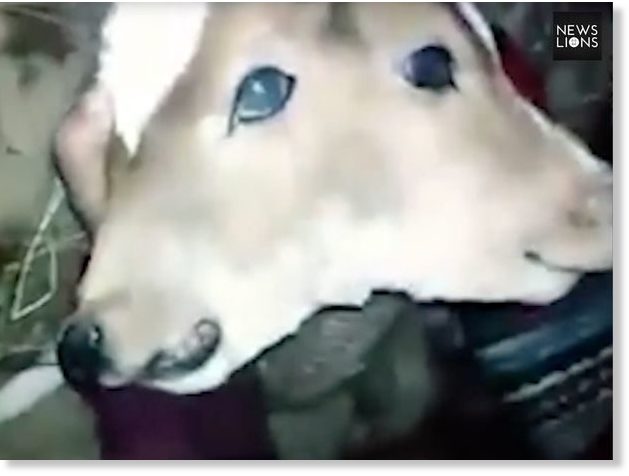
Signs and Portents: Calf born with two heads and two mouths in Himachal Pradesh, India

The calf was miraculously born with two heads
This bizarre footage claims to show a baby calf born with two heads, four eyes and two mouths.

The rare creature was born on February 7 in the northern state of Himachal Pradesh.

The animal's owner, from the village of Shimla, can be seen examining his new pet in the video.

India has in the past hear made the headlines for its deformed calves.


Headphones

Dolphin sounds generate images, research team discovers

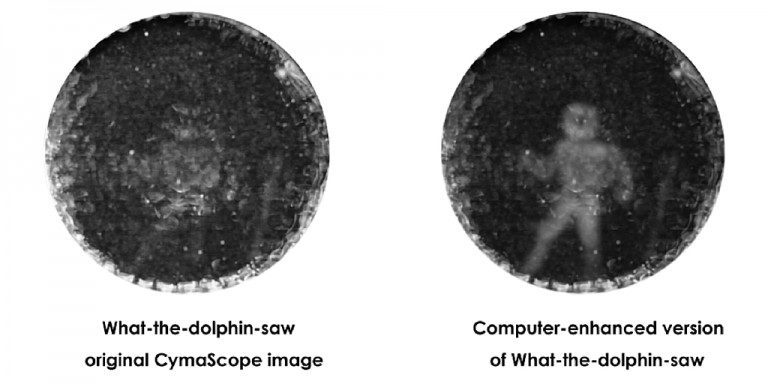
dolphin sounds translate to images
Scientific Breakthrough - Dolphin Sounds Generate Images

Research team discovers that dolphin sounds generate images with echolocation. Amplify your worldview and explore the science and technology behind the startling announcement of "what-the-dolphin-saw" sound images, by Jack Kassewitz and John Stuart Reid, from CymaScope.com.
This week the world was witness to a mind-bending scientific breakthrough: that the clicking sounds that dolphins transmit in using echolocation actually produce pictures that may be the basis of dolphin language. And further, that with specialized technology - that includes the use of a CymaScope and 3D print technology - researchers have seen what dolphins may be seeing for the first time. This could potentially lead to understanding dolphins and communication with dolphins in their own language. [1]

"We've been working on dolphin communication for more than a decade," stated Jack Kassewitz, research team leader and founder of SpeakDolphin.com where images and a press release are available. "When we discovered that dolphins not exposed to the echolocation experiment could identify objects from recorded dolphin sounds with 92% accuracy, we began to look for a way to see what was in those sounds." Kassewitz enlisted John Stuart Reid, inventor of the CymaScope, to search for sonic images in the dolphin recordings. [2]

Wolf

Woman injured in suspected wolf attack in Red Lake, Ontario

Wolf
© wikipedia
Ontario Provincial Police have confirmed a 38-year-old woman was attacked by what was believed to be a wolf in Red Lake on Thursday.

The incident happened shortly after 7 p.m. February 7, in the vicinity of the Red Lake Margaret Cochenour Memorial Hospital, said Sgt. Mike Golding, community safety and media relations coordinator for the OPP North West Region.

"The victim had apparently been walking her dog when a large black animal, described as a wolf in her view, squared off against her dog and she decided to step in between to protect her pet and at that time the animal attacked her and she received a number of injuries to her legs and her back which required some medical assistance," he said, adding the woman has been released from hospital.

Cow

Blizzard kills thousands of Washington dairy cows

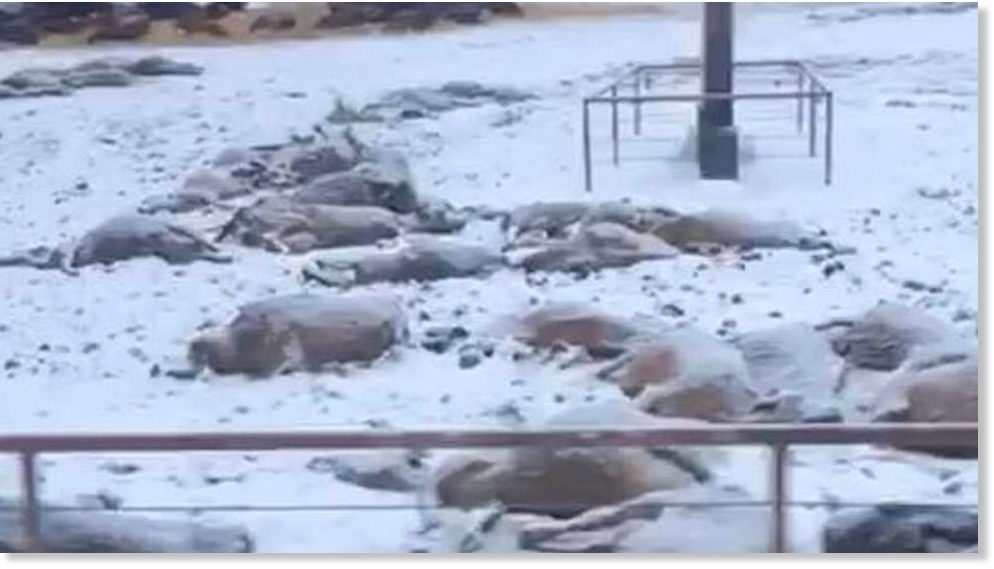
dead cows
Dairy farmers in multiple dairying regions of Idaho and Washington experienced significant snowfall, high winds and extreme cold over the weekend, leaving nearly 2,000 dairy cows dead.

According to Matt Gould of Rice Dairy, initial reports from their customers included words like "catastrophic" and "extreme" when it came to describing the impact the snow had on their open lot dairies.

"We heard anecdotes from farmers ranging from losses totaling 100 cows to thousands," he said. "We also heard some milk was dumped because of logistical issues during the storms."

The Yakima Valley Dairy Association says their members lost 1,600 cows in just a few days. The large snowfalls occurred in Grand and Franklin Counties.


Doberman

75-year-old man bitten to death by 4 dogs in China

canine attack
© Angela Antunes / CC by 2.0
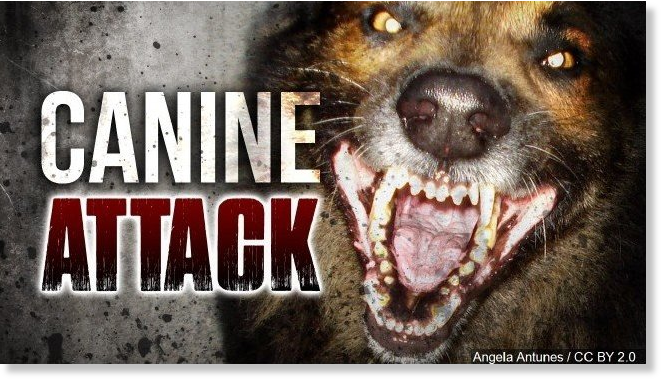
A 75-year-old man was bitten to death by four sheepdogs in Northeast China on Saturday, the latest example of the problem of dog management in Chinese cities.

The man, Ma Yushu, from Hailin, Northeast China's Heilongjiang Province, was blocked by four ferocious sheepdogs during a morning walk in the street and died after he was bitten in multiple places on his body, according to thepaper.cn.

The dogs had been taken by local police, thepaper.cn reported, citing Guo Zhangqiang, son of the dog host.

"Ma's postmortem examination report has not come out yet, and the case is still under investigation," a police officer surnamed Sun in the public security bureau of Hailin told the Global Times on Wednesday.

Fish

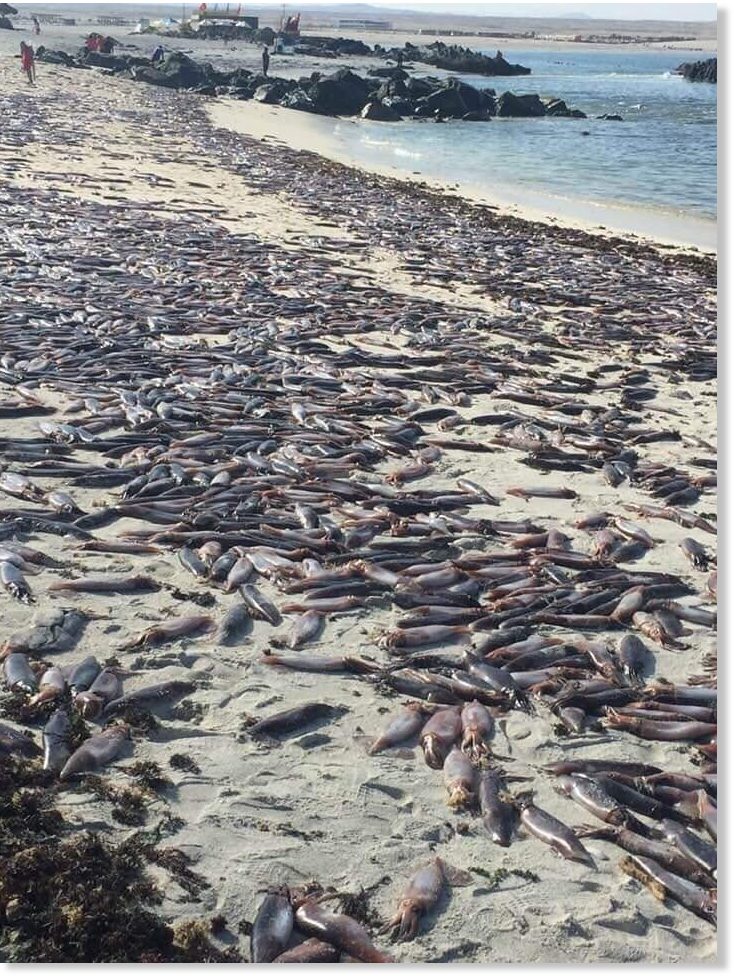
Thousands of dead cuttlefish mysteriously wash up in Chile

Dead cuttlefish in Chile.
Thousands of cuttlefish have mysteriously washed ashore in Chile's Bahia Inglesa, a coastal area that is one of the country's main tourist hotspots.

Locals say such an incident has not happened before, and environmental authorities are investigating and have warned locals not to eat the fish amidst pollution fears.

There are concerns that the dead fish could damage the region's fishing industry, a major driver of the local economy.

Bahia Inglesa is a popular summer destination for Chile, with thousands attracted to the area's pristine beaches.


Arrow Down

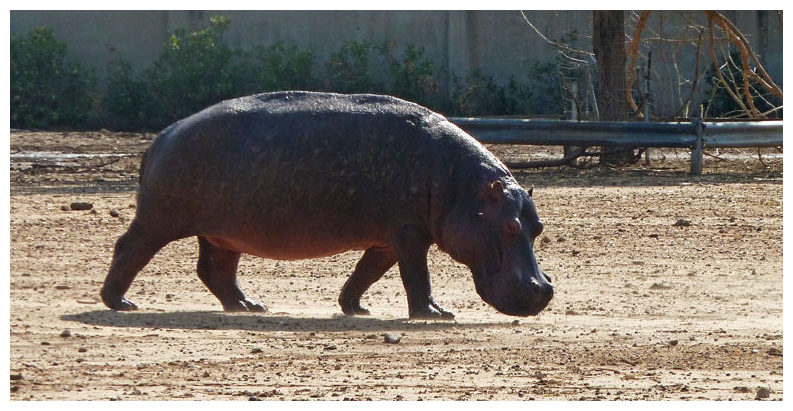
Zambia's planned hippo cull - Conservationists lashed scheme as a ploy to make money from trophy hunters

Hippo
© Creative Commons
Zambia plans to slaughter 2,000 hippopotamuses to control overpopulation, officials said Wednesday, as conservationists lashed the scheme as a ploy to make money from trophy hunters.

An official at the tourism ministry, who did not want to be named, said a five-year cull of hippos in a park in eastern Zambia would start in May.

"Currently the hippo population in the South Luangwa National Park stands at over 13,000, but Luangwa can only cater for 5,000 hippos," he said.

"The population is higher and poses a danger to the ecosystem."

The Born Free conservation group called on the government to call off the cull, which it said was being staged to lure money from hunters.

"The justifications for this cull -- which is being openly marketed to paying trophy hunters -- are like a sea of shifting sand," said Born Free's president, Will Travers.

Black Cat 2

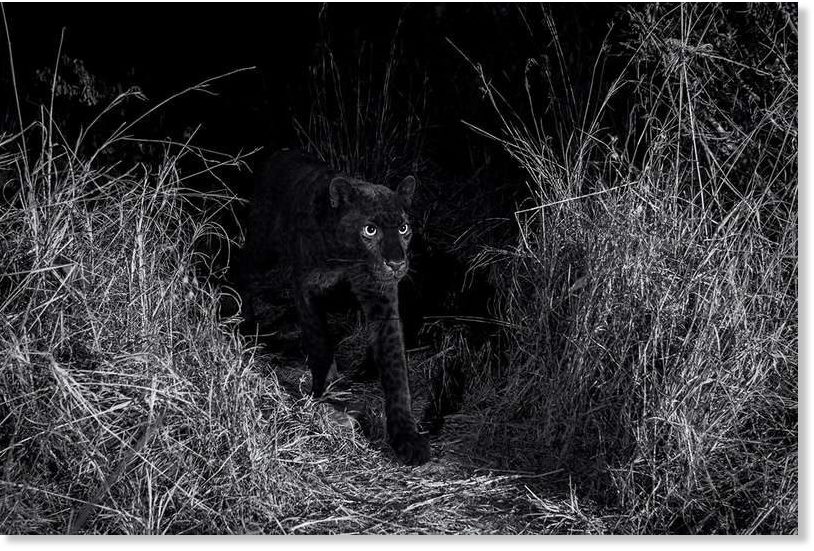
Black leopard photographed in Africa for the first time in 100 years

black leopard
© WILL BURRARD-LUCAS, CAMTRAPTIONSAn ultra-rare black leopard walks through Laikipia Wilderness Camp in central Kenya in 2018

They say that black cats bring bad luck, but when Nick Pilfold heard about one lurking around central Kenya, he knew he was onto something special.

The Kenya-based biologist and his team deployed a set of camera traps throughout the bushlands of Loisaba Conservancy in early 2018. It wasn't long before he got what he was looking for: undeniable proof of a super-rare melanistic leopard.

The juvenile female was spotted traveling with a larger, normally colored leopard, presumed to be her mother. (See our exclusive picture of a rare black wildcat seen in Africa.)

The opposite of albinism, melanism is the result of a gene that causes a surplus of pigment in the skin or hair of an animal so that it appears black. Melanistic leopards have been reported in and around Kenya for decades, but scientific confirmation of their existence remains quite rare.

Doberman

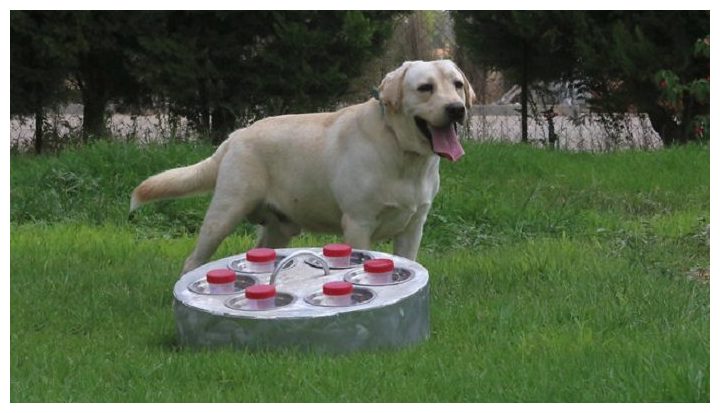
Israeli start-up company using canines to detect cancer

Dog with samples
© YnetnewsDog with samples.
A Negev start-up company is using canines to determine if an individual has cancer. Prognose 220 Mil is inviting the public to send a saliva sample to their laboratory, via messenger, where specially trained dogs use their strong sense of smell to sniff for cancer.

"The main significance of the test is life saving early detection (of cancer). Since dogs are able to identify the characteristic scent of the disease," says lab manager and dog trainer Uri Bekman. If the dog sits still after sniffing the sample, that is an indication of the disease being present. The test costs NIS 400.

Yael Dror Alon, a businesswoman from Caesarea, took the test and tested positive, despite doctors giving her a clean bill of health. She is now undergoing treatment at Tel Hashomer Medical Center and has decided to embark on a fundraising venture to provide access to the test for anyone in need.

A study by Prof. Pesach Shvartzman, of Ben Gurion University recently found that various forms of cancer have a common smell that can be detected by dogs.