Volcanoes
S


Attention

Could Iceland be entering a volcanic period?

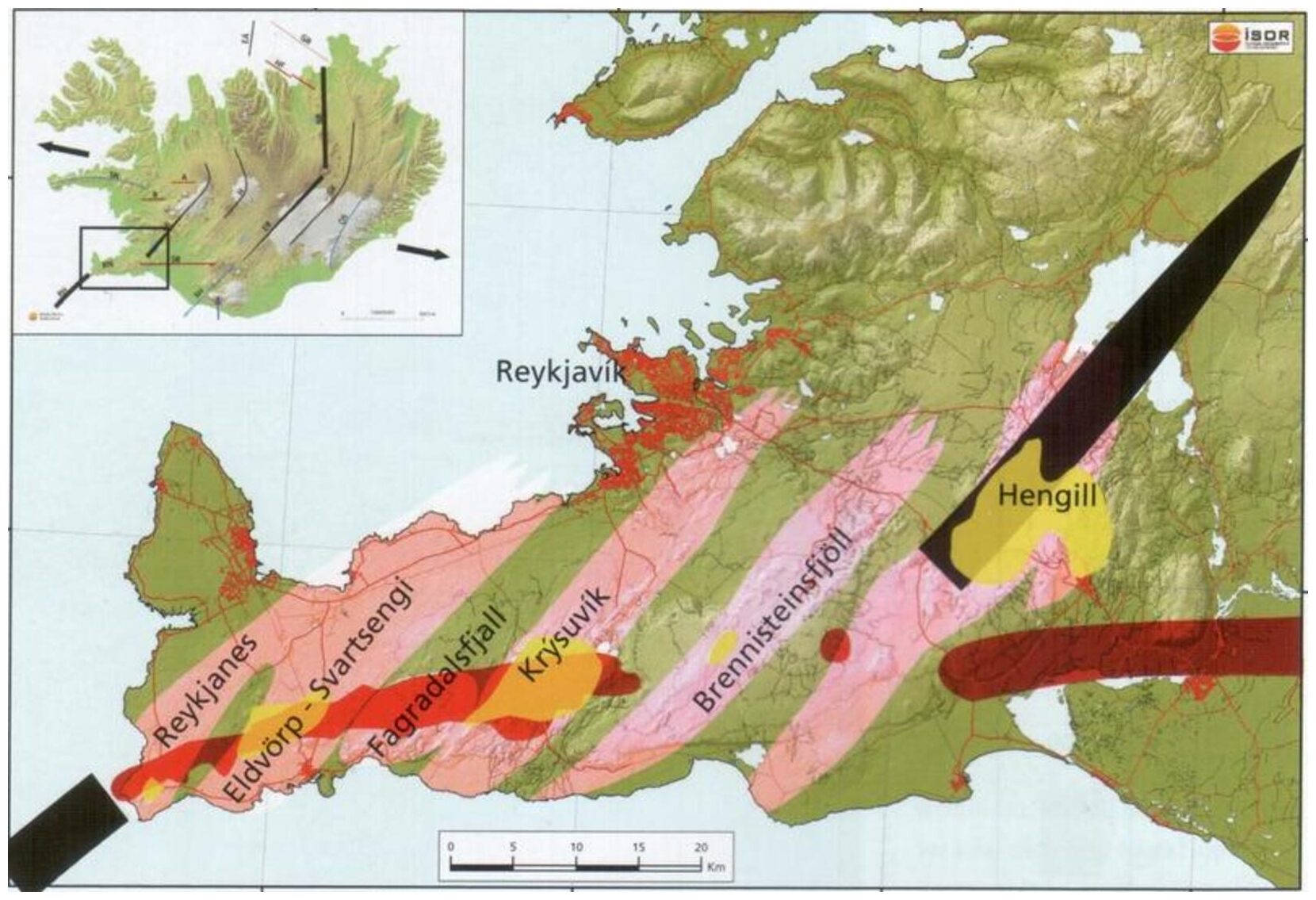
Volcanic systems on the Reykjanes peninsula
© Map/VísindavefurinnVolcanic systems on the Reykjanes peninsula are shown in pink. The red lines indicate the tectonic plate boundary, where earthquakes are common. Geothermal areas are marked in yellow. Black lines indicate fissure swarms.
"If an eruption occurs, it would likely mark the beginning of such a [volcanic] period - lasting a few centuries, I believe," states Magnús Á. Sigurgeirsson, geologist at ÍSOR Iceland GeoSurvey - a consulting and research institute in the field of geothermal sciences and utilization.

"That's at least how it has been the past three times, and even dating further back, but we don't have as exact data available on that," he tells mbl.is . He is referring to the uncertainty regarding whether an eruption can be expected soon on the Reykjanes peninsula, Southwest Iceland.

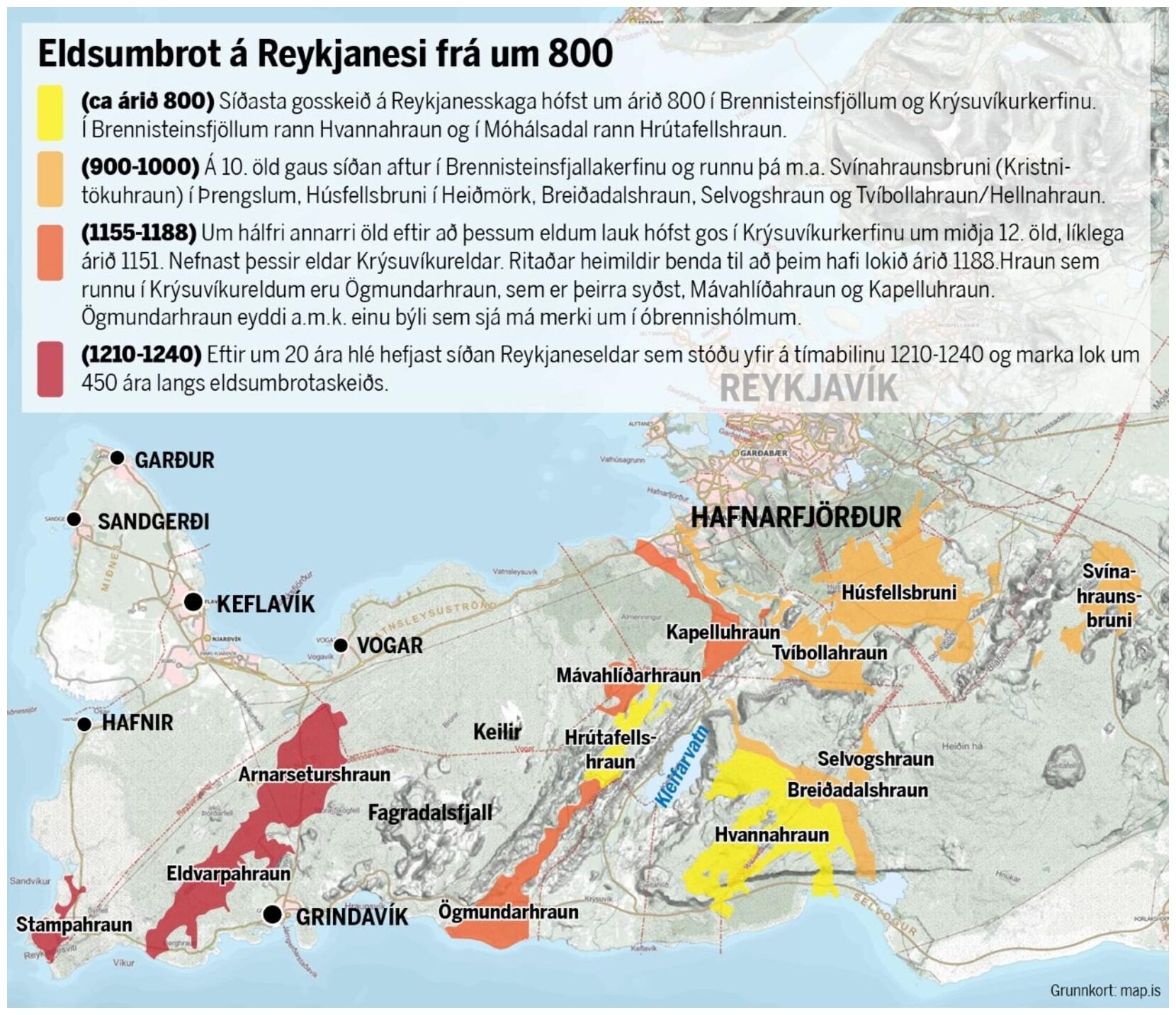
Magnús assembled data on the past three volcanic periods in the area. These were 3,000-3,500 years ago, 1,900-2,400 years ago, and finally between the years 800 and 1240 AD. His information is based on geological maps of the Reykjanes peninsula and on a comprehensive book on volcanic eruptions in Iceland called Nátt­úru­vá á Íslandi, eld­gos og jarðskjálft­ar.
List of eruptions in Iceland
© Graphic/mbl.isAlthough the list of eruptions is in Icelandic, you can see the dates of the eruptions and the corresponding lava fields.
Attention

Swarm of 20,000 earthquakes could trigger Iceland's volcanoes to erupt

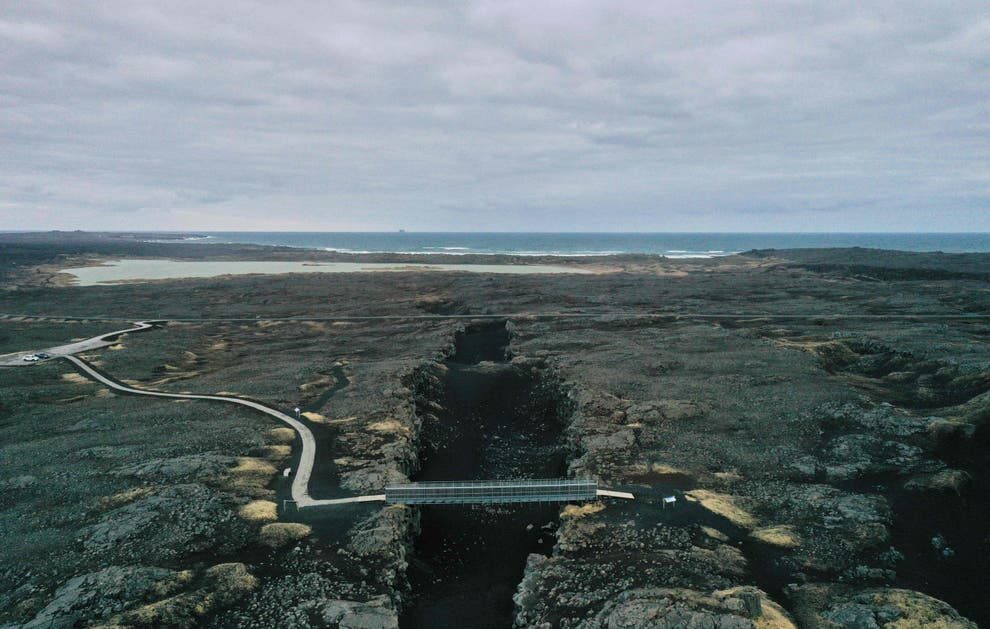
Aerial view of the Reykjanes peninsula, Iceland
© AFP via Getty ImagesAerial view of the Reykjanes peninsula, Iceland, some 50 kilometres west of the capital Reykjavik – one of the three most seismically active areas on the planet.
Fiery eruptions spewing from Iceland's volcanoes could follow the tens of thousands of earthquakes that have shaken the nation over the past fortnight, scientists fear.

Experts monitoring underground magma movements in the Reykjanes Peninsula, in southwest Iceland, are on tenterhooks. Seismic whispers and changes in the land's shape mean an "effusive volcanic eruption could occur", according to the Icelandic Meteorological Office (IMO). But so far, nothing has happened.

"That's something new. We didn't expect that," Dr Dave McGarvie, a volcanologist at Lancaster University said. The researcher told National Geographic that "people started wondering, what the hell is going on here?" when magma moving towards the earth's surface began to die down - after an eruption appeared to be just hours away.

Murmurs in the region, first detected over a year ago, have culminated in more than 20,000 earthquakes since activity began on 24 February, according to the IMO.

Comment: Scientists in Iceland say 'strong signs' volcanic eruption is imminent


Hardhat

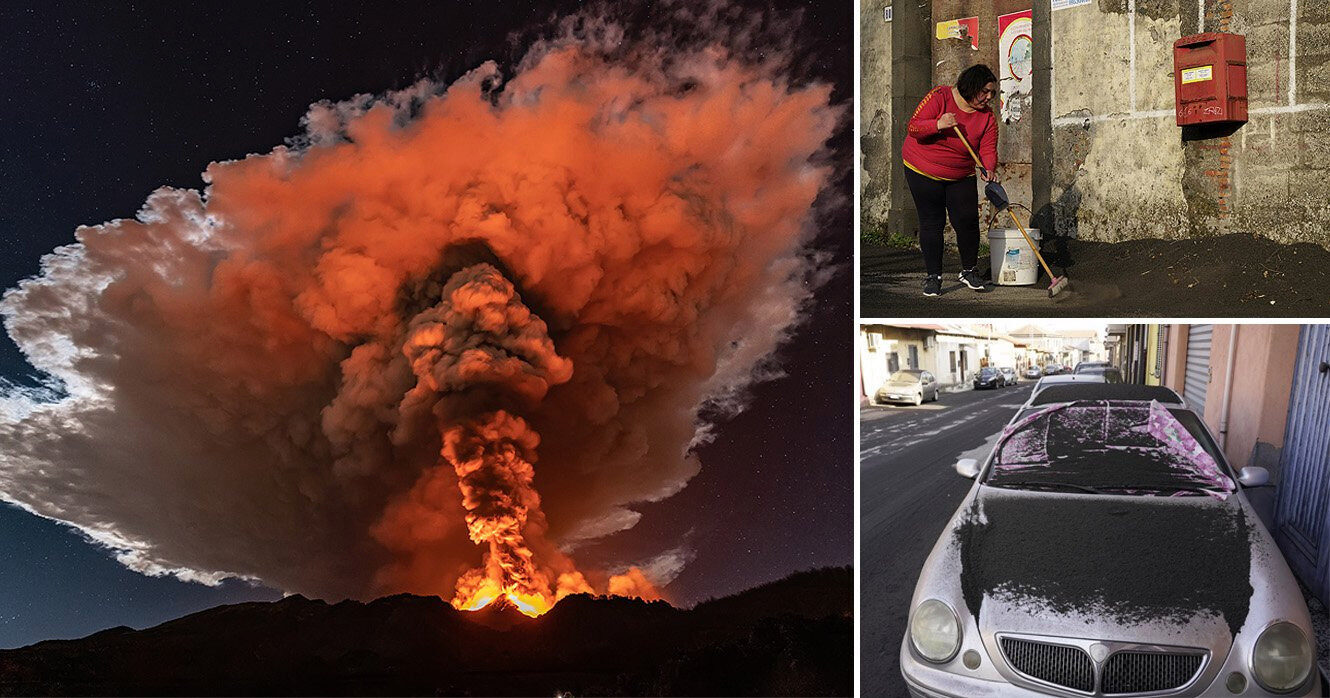
Best of the Web: Mount Etna erupts for the 10th time in 3 weeks, raining rocks and ash down on Catania, Sicily

etna ash sicily
Ash and rocks rained down on nearby towns in Sicily
Europe's biggest and most active volcano has been erupting since mid-February, raining ash and smoke over Sicily's eastern coast. Mount Etna last erupted at 2am local time (1am GMT) on Sunday, March 7, in a spectacular display of nature's fireworks. The eruption, or paroxysm, saw "impressive lava fountains" shoot into the sky from Etna's northeast crater, according to volcanologists at Volcano Discovery.

Activity picked up in the wee morning hours on Sunday after three days of relative peace and quiet.

Volcano Discovery said: "This marks the 10th paroxysm in a row in a remarkable series since February 16.

"Intervals between individual eruptions have been regular, ranging between 36 hours to 3.5 days only, and there are no signs that this series is ending soon."

Lava fountaining at Etna's crater was preceded by a spike in volcanic tremors - a surefire sign of magma rushing to the surface.

The volcano belched a column of ash and smoke that left nearby towns covered in ash and was even picked up by satellites, according to BBC Weather.

A report issued by the Volcanic Ash Advisory Center Toulouse (VAAC) on Sunday warned of sulphur dioxide (SO2) mixed with ice and some ash in the clouds around the volcano.


Arrow Up

Ecuador's Sangay volcano erupts with ash plume 27000 ft high

Satellite image of Sangay volcano on 6 Mar 2021
Explosive activity continues. Volcanic Ash Advisory Center (VAAC) Washington warned about a volcanic ash plume that rose up to estimated 27000 ft (8200 m) altitude or flight level 270 and is moving at 15 kts in W direction.

The full report is here.

Comment: Is there a connection between cosmic rays, earthquakes and volcanic eruptions?


Arrow Up

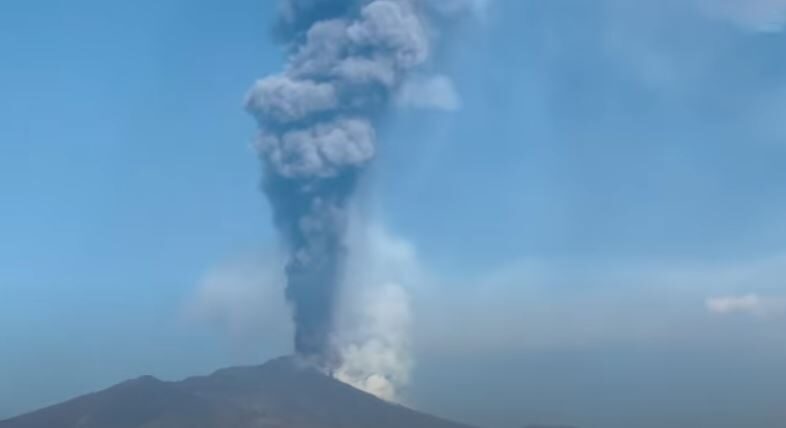
Restless Mount Etna spews more clouds of ash over Sicily's skies

Mount Etna ash clouds
© YouTube/RT (screen capture)
Sicily's Mount Etna continued its moment of restlessness during the early hours of Thursday morning.


Attention

Alert level raised after explosion at remote Alaska Peninsula volcano

Veniaminof Volcano near Perryville, Alaska
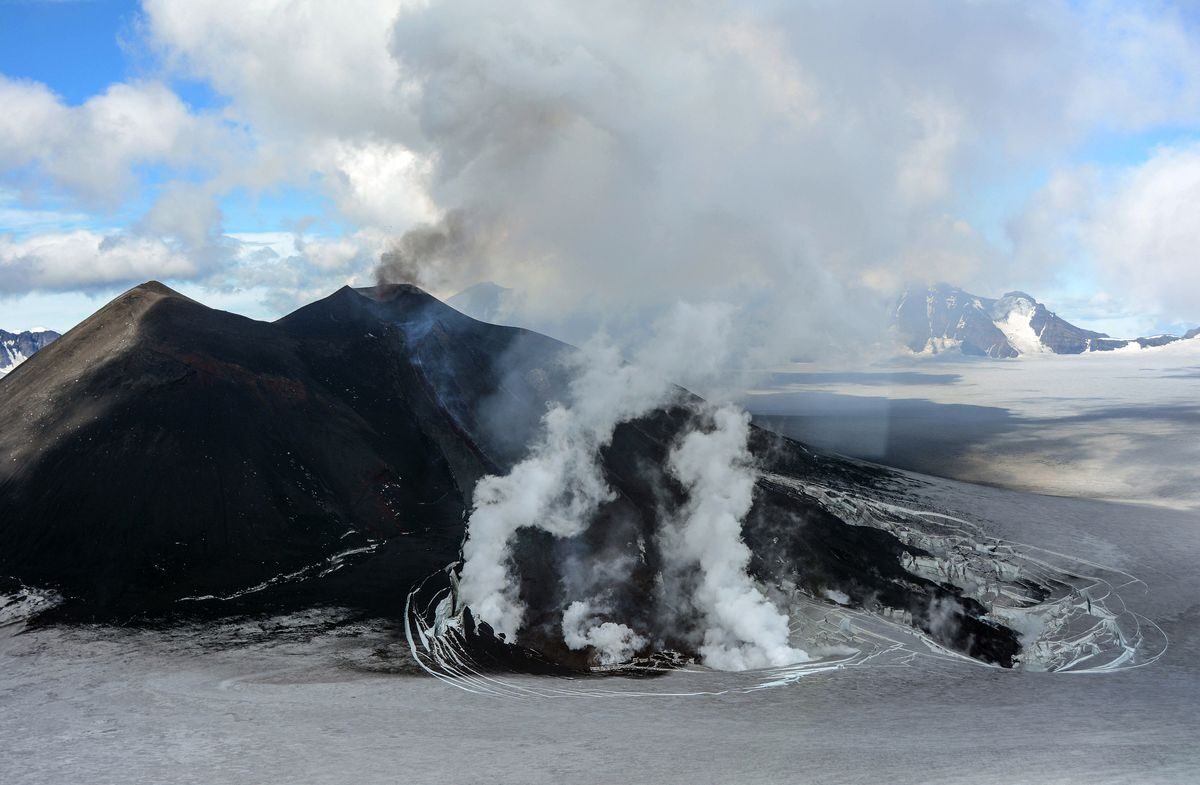
© Chris Waythomas / AVOThis July 16, 2013, photo by the Alaska Volcano Observatory shows the southwest flank of the intracaldera cone at the Veniaminof Volcano near Perryville, Alaska.
A small explosion was recorded Thursday at a remote volcano on the Alaska Peninsula, prompting officials to raise the alert level.

Satellite and webcam views indicated low-level ash emissions from Mount Veniaminof volcano. The ash plume did not rise above 10,000 feet, the Alaska Volcano Observatory said. Minor ash deposits are visible at the volcano, located 480 miles southwest of Anchorage.

Officials said eruptive activity typically includes minor ash, lava fountaining and lava flows from the small cone in the ice-filled summit caldera. Ashfall is usually confined to the summit crater but larger explosions can send ash to nearby communities, as happened in a 2018 eruption.

Veniaminof is one of the most active volcanos in the Aleutians and Alaska Peninsula, erupting at least 14 times in the last 200 years.

Attention

Environmental disasters across globe in February 2021

earth
At least 51 people killed when glacier breaks in northern India, Europe's tallest active volcano Mt. Etna erupts

February saw a host of environmental disasters, including floods in Turkey and Japan, a powerful volcanic eruption in Italy's Mt. Etna, and heavy monsoon rains in Indonesia.

Here is a timeline compiled by Anadolu Agency.

Feb. 1:

- The US northeast is in the midst of a massive snow storm with some areas expected to receive up to 2 feet of snow.

Feb. 2:

- Heavy rainfall in western Turkey floods some parts of Izmir province, leaving two dead.

Attention

Scientists in Iceland say 'strong signs' volcanic eruption is imminent

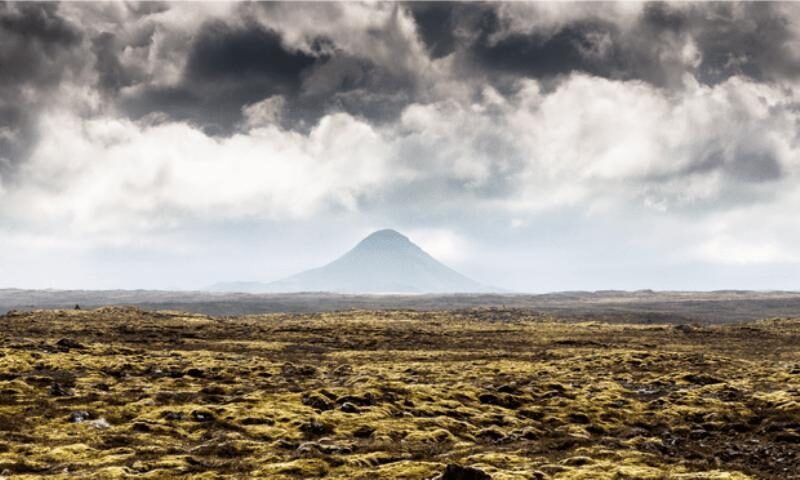
Mount Keilir, Iceland
© Promote IcelandMount Keilir, about 20 miles south of Reykjavik. Scientists said there was no immediate danger to the public.
Scientists in Iceland have said there are now "strong signs" that a volcanic eruption may be under way following several days of near-constant seismic activity near Mount Keilir about 20 miles south of the capital, Reykjavik.

"We are not saying we have signs an eruption has begun," Kristín Jónsdóttir of the Icelandic meteorological office told local media on Wednesday. "But this looks like the type of activity we expect in the run-up to an eruption."

Víðir Reynisson of the island's civil defence force told a mid-afternoon news conference it was "more likely than not" that an eruption - the first in the area since the 12th century - was about to begin, and could happen within the next few hours.

But Víðir said there was "no disaster going on and everyone can get on with their daily lives". There was no immediate danger, he said, although people should avoid travelling to the area on the Reykjanes peninsula.

Thousands of tremors measuring up to 5 on the Richter scale have been recorded on the peninsula during the past week. Freysteinn Sigmundsson, a geophysicist, said that if it came, the eruption could also be delayed by several days.

Comment: Shallow 5.6-magnitude tremor strikes near Reykjavik, Iceland


Fire

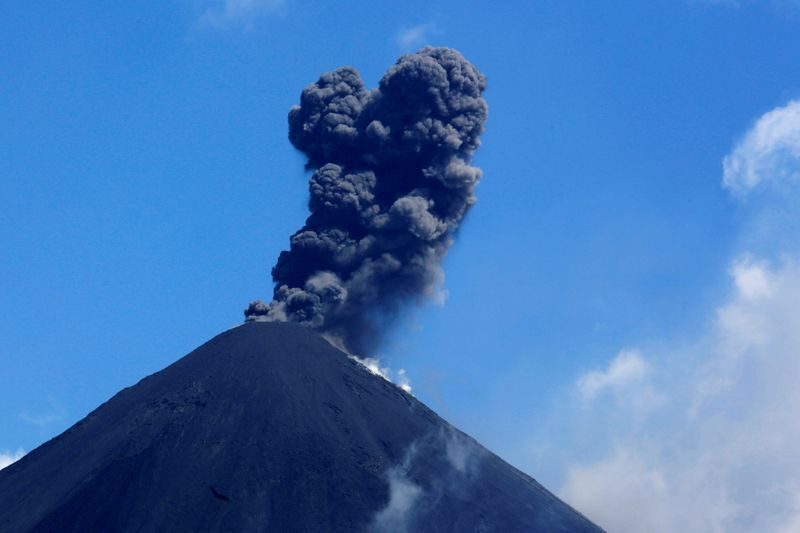
Guatemala's Pacaya volcano erupts, officials warn of burning projectiles

Pacaya volcano eruption
Guatemala's Pacaya volcano erupted on Wednesday, expelling lava for several hours and prompting the country's meteorological institute to warn that incandescent volcanic blocks could rain down on nearby towns.

Officials stopped short of ordering evacuations following the so-called strombolian eruption, explosions that consist of relatively mild blasts but eject burning cinders and lava bombs.

One of the Central American country's most active volcanoes, Pacaya began to expel lava at dawn, creating an immense column of smoke, video footage from the institute showed.

"The Pacaya volcano has a very high level of activity, which has generated a strombolian type eruption, with strong explosions," the meteorological institute, Insivumeh, said in a statement.


Comment: Guatemala: There's nowhere to hide - hundreds of thousands live in the shadow of 3 erupting volcanoes


Attention

Adapt 2030 Ice Age Report: 750 year eruption cycle begins, will it affect our civilization?

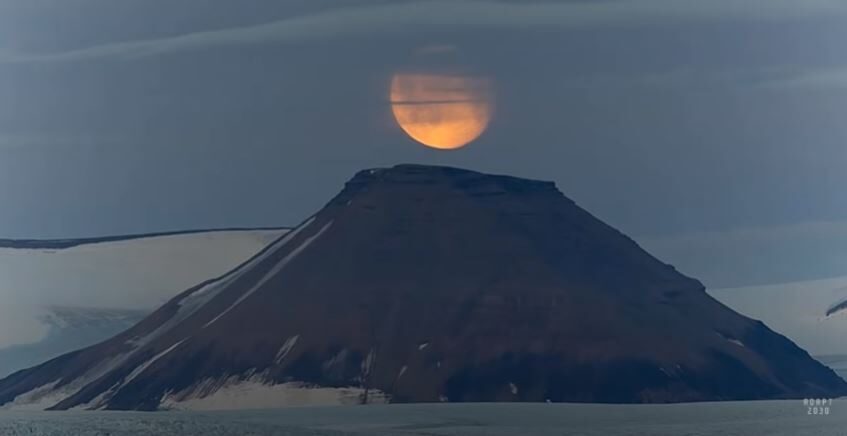
Volcano under moon
© YouTube/Adapt 2030 (screen capture)
Krísuvík volcano in Iceland has just awoken after 750 years of slumber, on its regular multi-century eruptive cycle. The last time an eruption out of Iceland affected the entire planet was either 1340 with the Black Plague or 1108 AD that took down dynasties and empires on all continents. We are back at the beginning again.