
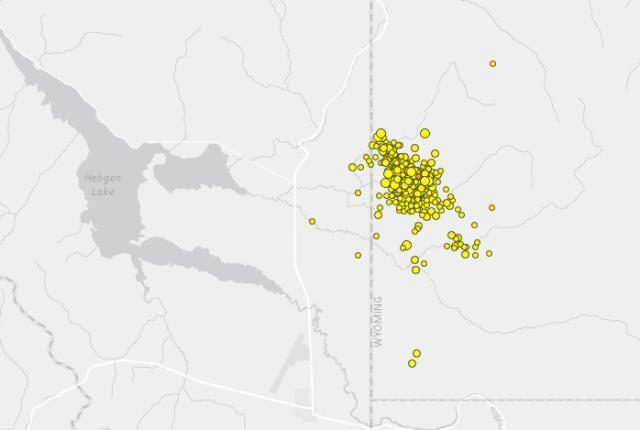
© USGS
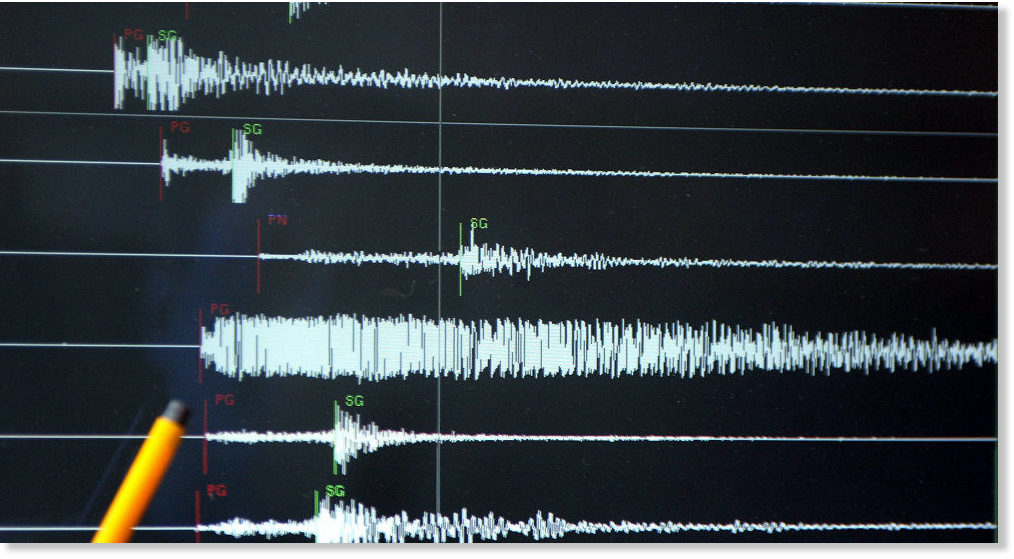
As of 11:30 Friday morning, 769 quakes had been recorded in the current swarm, said Jamie Farrell, a research professor of seismology at the University of Utah.
The swarm, which began June 12, is ongoing, he added, though the frequency of earthquakes has slowed down a bit. Typical swarms comprise 10 to 50 quakes, Farrell said.
"As of now, everything that we can see looks like these are tectonic in origin," he said. "There's no volcanic signature to any of these events that we've found."
The university's seismograph stations have tracked a single quake in the magnitude 4 range, a temblor near West Yellowstone on June 15 that has been the largest of the swarm to date.









Comment: Yellowstone supervolcano is hit by 464 earthquakes in just ONE WEEK