Health & WellnessS


Health

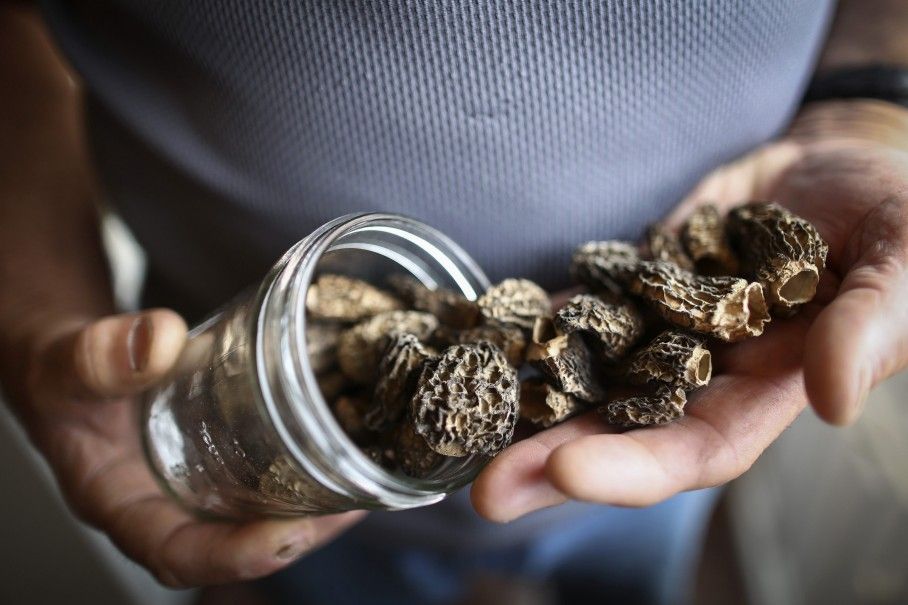
Four medicinal mushrooms to add to your home pharmacy

Mushrooms
© Reuters/Elijah Nouvelage
As the fall approaches we must now focus on some of the things now available to you as wildcrafters and herbal "gatherers" that previously may have been difficult to find. This article entails some facts about medicinal mushrooms and is provided for informational purposes only. The information provided is not meant to, nor does it diagnose, treat, prescribe, cure, or recommend any actions for any disease or illness. Only a licensed physician may do such things; prior to taking any actions pertaining to this article, seek the approval of your licensed family physician.

Mushrooms are greatly available in the wilds toward the end of summer and the beginning of the fall. Mushrooms have many components in their makeup that can be used effectively against many types of diseases. There is one important thing to stress, however, before you go out and begin your attempts to gather mushrooms from your locality:

Mushrooms can be deadly poisonous, and you must be able to identify them 100% with no guesswork prior to utilizing them!

Comment: For more on the medicinal properties of mushrooms see:


Bulb

Researchers identify enzyme that helps train the immune system

kid in dirt
The hygiene hypothesis holds that, when babies' exposure to germs is so limited, their immune systems are deprived of the opportunity to learn how to fend off pathogens properly...consequently their immune systems become so sensitive that the babies develop allergies. But the protective effects of friendly microbes seem to depend equally on a person's genetic make-up.

Young children who share their home with dogs or cats in the first year of life are half as likely to become allergic to those animals than kids who grew up with no pets.

Previous studies have suggested that children born during tree pollen season may develop a tolerance for pollen, thus reducing their risk for acquiring pollen allergy later in life. Scientists believe the same type of 'de-sensitizing' mechanism may be at work in infants exposed to pets in the home.

Ambulance

Just one 'dangerous' pill changed Amy Thomson's life forever

Image
A 16-year-old Scottish woman's life was forever changed in June when she took an ecstasy-like drug, collapsed at a party and fell into a coma.

Amy Thomson has since come out of the coma and her family, according to the Daily Record, posted a video of her thanking everyone for their support.

The above picture was Thomson before and after taking the drug, identified as MDMA.

Briefcase

Environmental Health Journal: Even super low levels of Roundup exposure are deadly

Image
Liver and kidney damage due to a diet full of genetically modified food has already been shown in a notable, yet controversial study that was once forced to be retracted, and then later republished by the Journal of Food and Chemical Toxicology. This study, titled the "Long Term Toxicity of Roundup Herbicide and a Roundup-Tolerant Genetically Modified Maize" is joined now by a new, peer-reviewed study showing that even at the levels of glyphosate the general public is exposed to in drinking water, over 4000 genes and their proper functioning are altered in the livers and kidneys of rats.

Comment: How many more studies have to be released before people to wake up to the madness of 'biotech science'! Daily, research journals are publishing frightening information about the dangers of genetically mutated crops! Just a few examples: Low-dose glyphosate concentrations, 'altering genes', increased incidence of blood/urine biochemical changes, hormonal interference, herbicides inside our intestines and general 'overall toxicity' from an industry that seeks nothing more than profits!

Jeffery Smith is on point in his articles: Health is the Tipping Point to Identify and Eliminate GMOs and Dramatic Health Recoveries Reported By Patients Who Took Their Doctor's Advice and Stopped Using GMO Foods


Magic Wand

Managing anxiety without drugs

Image
As a holistic psychiatrist practicing in New York City, I see a lot of anxiety. A lot. And I'm disheartened to see so many of my patients on loads of psychiatric medications that are not necessarily helping and may even be causing harm. Meanwhile, these highly medicated folks are still suffering from anxiety! This is because we're going about it all wrong. Anxiety is not a Xanax-deficiency disorder. The mind, body and spirit are all involved in anxiety, but I think anxiety is first and foremost a physiologic disorder; that is, it's a disorder of the body, not just the mind. The good news is that shifting our body's physiology is relatively easy to do. There is so much we can do with diet and lifestyle to manage anxiety, and much of it is safer and more effective than medication.

Comment: Additional information about anxiety: Why your ancestors didn't have anxiety or depression and you do


Pills

Childhood is not a 'mental disorder': Widespread prescribing of antipsychotic drugs sparks serious health problems

Image
© cchr.org
Antipsychotic drugs are being prescribed to an ever-increasing number of adolescents and young adults, and many of them are being prescribed for off-label purposes. But these over-prescriptions are putting youngsters at risk, though we're slow as a society to change our med-heavy ways.

These powerful medications are being prescribed to young people with attention-deficit and hyperactivity disorder (ADHD), a condition the drugs are not approved to treat.

According to researchers from Columbia University in New York, the percentage of teens using antipsychotics rose from 1.10% in 2006 to 1.19% in 2010. Among young adults aged 19 to 24, the percentage rose from 0.69% to 0.84%. [1]

Comment: Heinous behavior modification program: Drugging children for "Social Justice"


Cupcake Pink

Acne and its link to sugar, dairy products, and bad fats - "Skin diabetes"

acne
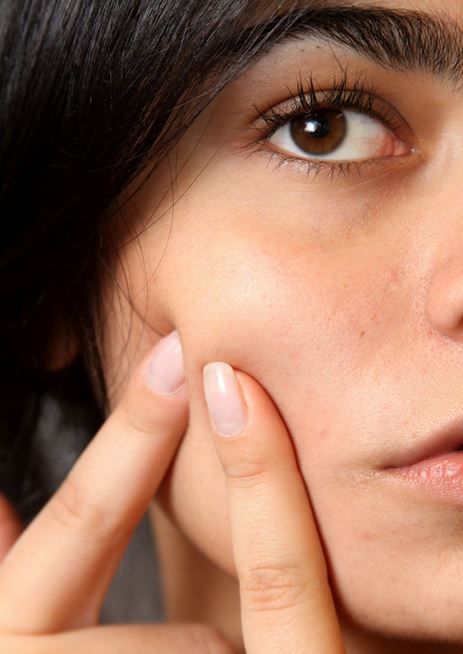
Acne is clearly associated with diet. Strongly linked to acne is a diet high in refined carbohydrates, dairy, and the wrong type of fats. In Westernized societies, acne is a nearly universal skin disease afflicting 79% to 95% of teenagers. In men and women older than 25 years, 40% to 54% still have some degree of facial acne. In contrast, acne is extremely rare in societies consuming healthful traditional diets.

Despite the now overwhelming scientific evidence linking diet and acne, many dermatologists still cling to the myth that diet has no impact on acne. They are wrong. It is now time for these doctors to apply the knowledge of nutrition with their patients by stressing the avoidance of the offending foods, especially refined carbohydrates.

Comment: See also: Acne, Mental Health, and Diet

Paleo Diet: Got acne? Go primal

Thyme May Be Better for Acne Than Prescription Creams


Alarm Clock

Half of US adults have diabetes or pre-diabetes, says new study

Image
© David Gray / Reuters
Half of all US adults currently have diabetes or pre-diabetes, a new study revealed. The new research shows that the disease has made gains across every racial and ethnic group in the last 18 years, regardless of income level or education.

"We found 14% of the people in the US have diabetes, and this was even higher in blacks, Asians and Hispanics," said Andy Menke, PhD, epidemiologist and lead author for the study, which was published Tuesday in the Journal of the American Medical Association.

Previous studies had shown cases of diabetes, once a rare disease, increasing. There are currently an estimated 27 million people with diabetes and 86 million with pre-diabetes in the US, according to the WebMD website.

Researchers conducting the study wanted find percentages for those in the population who had been diagnosed with diabetes, those with undiagnosed diabetes, and those with pre-diabetes indicators.

Among the findings was that diabetes was more prevalent in those aged 65 years and older, with 33 percent affected, compared to those aged 45-64 years (17.5 percent), and those aged 45 or younger (5 percent). Broken down by gender, diabetes affected 15 percent of men and 13 percent of women.

Comment: Before insulin was readily available, doctors used to treat their patients with a ketogenic diet. Check out this great introduction to what this diet is all about: The Ketogenic Diet - An Overview


Wine n Glass

Researchers discover neuron linked to alcoholism

shot glasses
© Vasily Fedosenkoi / Reuters
Although alcoholism is a common disease that affects millions of people worldwide, the underlying causes have not been fully understood - until now. Scientists say they've discovered the brain cells responsible for inciting alcohol cravings.

A study published in the journal Neuroscience by researchers at the Texas A&M Health Science Center College of Medicine has found that the consumption of alcohol alters the function and structure of neurons in the dorsomedial striatum. This part of the brain is known to be important in goal-driven behaviors.

The researchers' key finding lies in what are known as medium spiny neurons - the main type of cell in the striatum. Using an animal model, the scientists determined that alcohol changes the physical structure of those neurons.

Magnify

New study: Rhodiola Rosea herb protects against viral infections

Image
© wikimedia
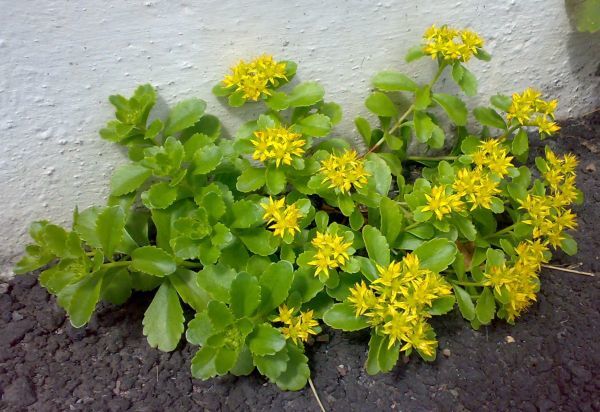
Also known as arctic root or golden root, Rhodiola Rosea has already been clinically shown to stimulate serotonin, norepinephrine and dopamine activity, and support healthy neurotransmitter balance, but human trials have now shown the the herb protects against viral infection.

Arctic Root is a plant indigenous to Siberia, where it thrives in high altitudes and dry arctic climate. The primary medicinal compounds of Arctic Root are derived from the root of the plant. In Russia, Scandinavia and much of Europe, Arctic Root has been traditionally recognized for its adaptogenic properties. An adaptogen is a physiological agent that naturally increases the body's resistance to physical and emotional stress.