Health & WellnessS


Heart

Oh the irony! American Heart Association president has heart attack

American Heart Association President John Warner
American Heart Association President John Warner, M.D., at his presidential address Sunday at the organization’s Scientific Sessions.
American Heart Association President John Warner was away from the AHA's Scientific Sessions with his family Monday after having a minor heart attack during the organization's flagship scientific conference.

Warner, a practicing cardiologist and the CEO of UT Southwestern University Hospitals in Dallas, had the episode Monday morning. He was taken to a local hospital, where doctors inserted a stent to open a clogged artery.

He was recovering and visiting with his wife, son and daughter, all of whom attended the Scientific Sessions meeting in part to see him deliver his Presidential Address on Sunday afternoon. In that speech, the 52-year-old Warner talked about the effects of heart disease on his family. He mentioned how both his father and his father's father had heart bypass surgery in their 60s. He also lost his maternal grandfather and a great grandfather to heart disease.

Comment: Unlikely as it may be, it would be nice if people saw this as a 'signal from the Universe' that the advice and methods expounded by the AHA are the exact opposite of what people should be following. We're not holding our breath.


Sun

Italian island of Sardinia home to some of the oldest people in the world, what's their secret?

This Italian island is home to the oldest people in the world. Here's their secret
© Matthew VickeryZelinda Paglieno, 102, says the secret to long life is a half glass of wine a day.
Zelinda Paglieno, who turned 102 in October, offers sobering advice when asked what's the secret to her long and healthy life: "Two fingers width of red wine, and no more, at lunchtime every day."

"I've never smoked, but a little wine is good for you - and that's something I still do now. We have very good grapes here," she explained.


Paglieno's age is no anomaly here in picturesque Sardinia, an Italian island in the Mediterranean that is home to the oldest people in the world, according to researchers on aging.

Sardinia is one of only five "Blue Zones" in the world identified as having residents who often reach age 90 or older. The other four are Okinawa (Japan), Nicoya (Costa Rica), Icaria (Greece) and the Seventh-day Adventist community in Loma Linda, Calif.


Comment: Eat Fat, Live Long - the Real Food of Okinawa 'Okinawan cuisine is centered around meat. The most important meat is pork.[...] Many of the pork parts eaten are composed almost entirely of fat, such as pork skin, pig ears, and pork belly'


Paglieno, in her hometown of Esterzili, population 600, has three neighbors who are 100 or older.

Comment: Also check out SOTT radio's: The Health & Wellness Show: The Devil's in the Details: Diet Dogma and Fine-Tuning Your Own


Cloud Grey

Air pollution is a bigger risk for people with A, B, or AB blood types, study finds

The UK has broken EU air quality regulations every year since 2010 Reuters air pollution brain fog mental distress
© ReutersThe UK has broken EU air quality regulations every year since 2010
People with type A, B, or AB blood have a greater chance of suffering a heart attack or chest pain during episodes of high air pollution compared to those with type O, scientists have found.

Researchers warned that people in those groups should consider staying indoors to minimise their risk if they had underlying heart conditions, such as coronary artery disease.

Scientists have known for some time that pollution raises the chance of a heart attack but it is the first time that the risk has also been linked to blood type.

Comment: Also see:


Health

BigPharma's hidden hand? US lowers guidelines for high blood pressure, adding 30M Americans to those who have the condition

Blood Pressure
© Thinkstock
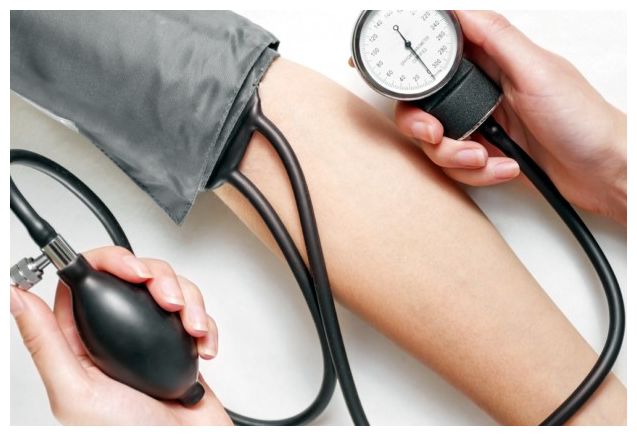
New guidelines lower the threshold for high blood pressure, adding 30 million Americans to those who have the condition, which now plagues nearly half of U.S. adults.

High pressure, which for decades has been a top reading of at least 140 or a bottom one of 90, drops to 130 over 80 in advice announced Monday by a dozen medical groups.

The change means an additional 14 percent of U.S. adults have the problem, but only 2 percent of these newly added people need medication right away; the rest should try healthier lifestyles, which get much stronger emphasis in the new advice. Poor diets, lack of exercise and other bad habits cause 90 percent of high blood pressure.

"I have no doubt there will be controversy. I'm sure there will be people saying 'We have a hard enough time getting to 140,'" said Dr. Paul Whelton, a Tulane University physician who led the guidelines panel.

Comment: It's difficult not to suspect a huge influence from the pharmaceutical cartel in this decision, as this will obviously contribute significantly to their revenue stream. While helpful, medications for hypertension are not without side effects, so it's much better to prevent the condition in the first place by instituting dietary and lifestyle interventions.


Brain

Maternal immune response may render brain vulnerable to injury

pregnancy infection
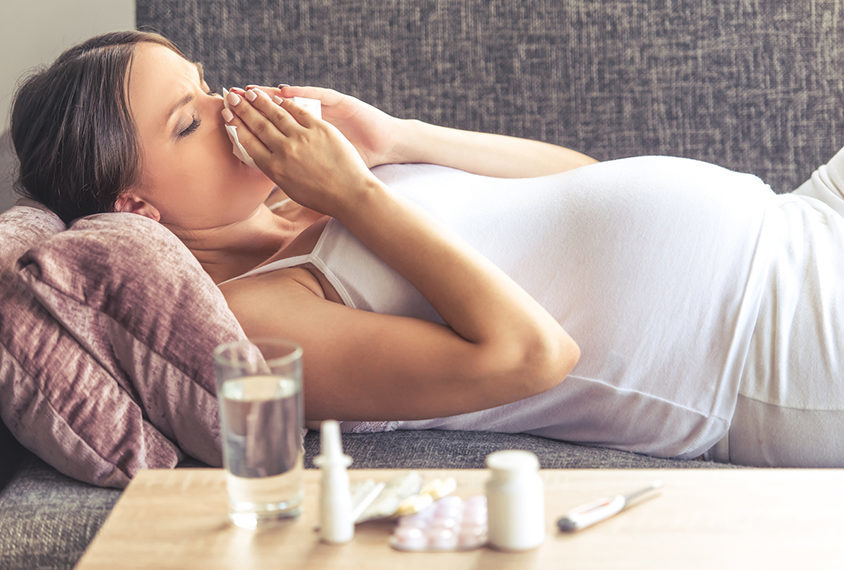
© vadimguzhva / iStockSmall risk: Infections during pregnancy boost autism risk in the child.
Mouse brains exposed to inflammation in the womb become more susceptible to a second challenge, researchers reported today at the 2017 Society for Neuroscience annual meeting in Washington D.C.

When briefly deprived of oxygen, mice exposed to maternal inflammation show higher immune activation and suffer greater brain damage than their unexposed peers.

Studies in people suggest that infections during pregnancy boost autism risk in the child by as much as 37 percent. Mice exposed to inflammation in the womb show autism-like features, such as social deficits and structural changes in the brain.

However, only a small fraction of children exposed to inflammation in utero are diagnosed with autism.

The findings suggest that a second hit can determine which children exposed to maternal inflammation in utero go on to have autism, says Hong-Ru Chen, a postdoctoral fellow in Alex Kuan's lab at Emory University in Atlanta, who presented the findings.

Comment: In view of this research, the following will come as no surprise:


People 2

Boob jobs gone bust: Surgeons spending more time taking out implants

burst breast implant
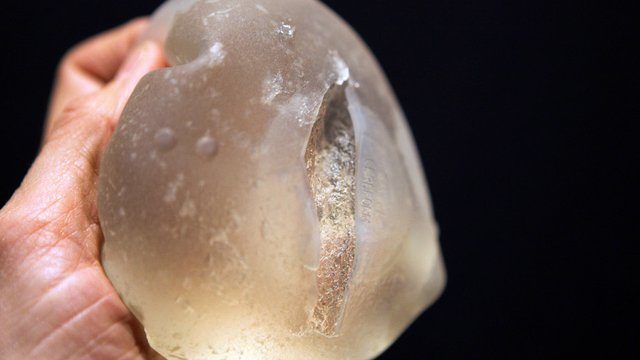
Last year, four times as many women were having them removed on the NHS as having new ones.

A few years ago boob jobs were booming, with twice as many women having enlargements compared with those having implants removed.

Experts believe the reduction in enlargement operations is down to an NHS clampdown on the procedures.

Comment: The question we should be asking is why women feel the need to have this invasive and potentially deadly surgery in the first place. Breast implants have a short life span and will need to be replaced sooner or later, some say 10 years. Something is wrong with society when a woman's worth is based solely on her appearance and that she is willing to risk her health and potentially her life for something so superficial. It's just another sign of western societies' general moral decline and is partly caused by a highly sexualised culture fueled by the cult of celebrity:


Cell Phone

Brain drain: More bad news about smartphones

Kinderen smartphone
Over the past few years, many of you have heard me and other professionals describe how smartphone use, and the technologically immersive culture in general, are associated with a multitude of negative outcomes. Whether it be sleep woes, increased anxiety, cyberbullying, rampant pornography exposure, or declining social skills, it is clear that the outcomes don't look anything like the sexy, sophisticated commercials that tech companies like to use.

Yet although many of us have focused our attention on concerns about youth development, a recent article in the Wall Street Journal reminds us that threats cut across all ages, but begin with our minds. Ever since the first iPhone was released in 2007, researchers have been looking at how smartphones are affecting our intellect, which roughly stated involves our ability to pay attention, retain/recall information, and problem-solve/reason. Although advertisements profess that these remarkable technological innovations will only make us smarter and more efficient, the evidence indicates quite the opposite. In the words of the WSJ author, "research suggests that as we grow more dependent on them, our intellect weakens."

Comment: Is your smartphone turning you into an idiot?


Heart - Black

Lovers reluctant to give CPR when a heart attack occurs during sex

cpr heart attack
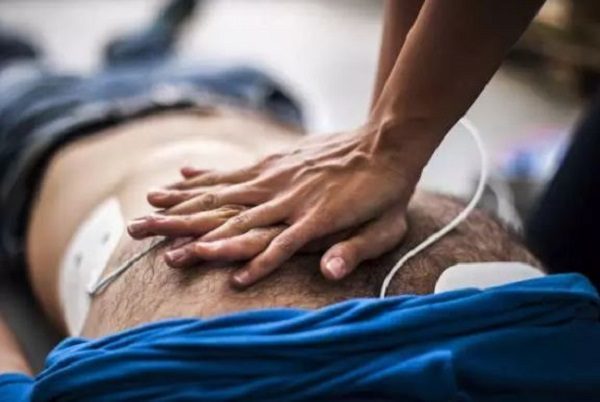
© GettyOverall, bystander CPR was performed in only 11 heart stoppages involving sex, which may explain why only six out of the 34 people survived.
Sex is rarely a trigger for a sudden cardiac arrest but when it happens, only a third of people who collapse during sex are likely to receive CPR from their partners, a new study finds.

Researchers who examined the records of more than 4,500 cases of sudden cardiac arrests found a total of 34 linked to sexual activity, 94 per cent of them involving men.

However, their partners were alarmingly reluctant to attempt CPR. "This likely explains the relatively low survival rates despite mostly shockable initial cardiac arrest rhythms," the researchers report in a study published Sunday in the Journal of the American College of Cardiology.

The finding surprised and puzzled the researchers.

"There is plenty of evidence that performing CPR by bystanders until the ambulance arrives translates to significantly better survival for cardiac arrest," said first author Aapo Aro, of Cedars-Sinai Heart Institute in Los Angeles. "By definition, a cardiac arrest occurring during sexual activity is witnessed by a partner, and if CPR would have been initiated by the partner this would have been likely to save the lives of some of these patients."

Cupcake Pink

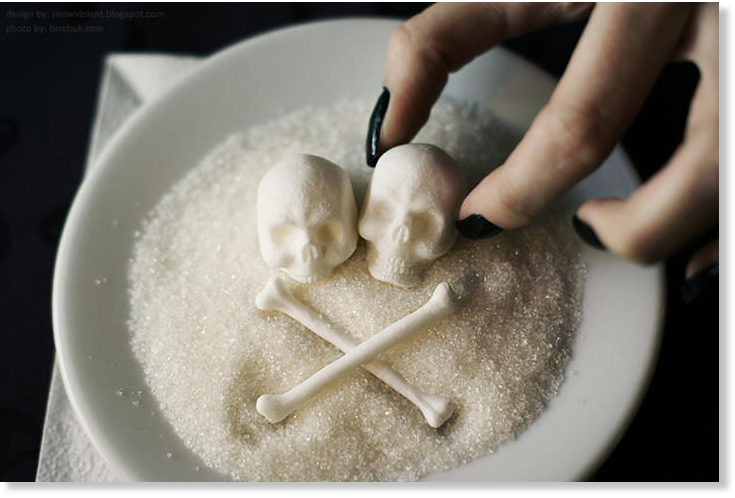
This is what happens to your body when you ditch the sugar

sugar
News flash: We're all dipped in honey and rolled in sprinkles. The average person shovels in 300 calories from added sugar every day, according to a recent report from the University of North Carolina. Roughly 20% of Americans exceed 700 calories of added sugar on a daily basis. That's an entire cup of sugar. Whoa.

"Not only are we getting added sugar from obvious places like cakes, candy, and soda, but it's also coming from healthier-sounding packaged products like salad dressing, pasta sauce, and yogurt," says Elyse Powell, one of the report's coauthors and a doctoral researcher at UNC. (To be clear, by "added sugar" we're talking about the super-processed sweet stuff you'd add to a batch of cookies, not the natural sugars found in whole fruit, veggies, and plain milk.)

The big takeaway from that UNC report: Most of us could stand to cut back on sugar. The American Heart Association suggests women stick to 6 teaspoons or less of added sugar daily. That's roughly 25 grams, or 100 calories' worth, if you're checking food labels.

Comment: Sweet Necessity: The perils of sugar addiction


Health

The link between artificial sweeteners and cancer

splenda equal sugar substitutes
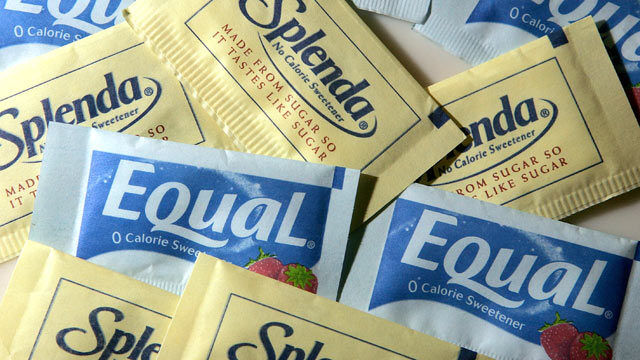
If you've added the artificial sweetener sucralose (brand name Splenda) to your diet because you think it's a healthy alternative to sugar, you're being dangerously misled. Research from the Ramazzini Institute has linked the popular sugar alternative to cancer, specifically leukemia.

The findings were first presented at a London cancer conference in 2012 and prompted The Center for Science in the Public Interest (CSPI) to downgrade Splenda from its "safe" category to one of "caution."

Now that the study has been published in a peer-reviewed journal, CSPI has again downgraded Splenda, this time from "caution" to "avoid."

Splenda May Increase Risk of Cancer in Mice

The researchers fed mice Splenda beginning prenatally and continuing for their entire lifespan. The mice were fed varying concentrations of the artificial sweetener: 0 ppm (parts per million), 500 ppm, 2,000 ppm, 8,000 ppm or 16,000 ppm.

A significant increase in cancerous tumors was seen among male mice, and the risk increased along with the dose. The risk of leukemia in male mice also significantly increased, especially at Splenda doses of 2,000 to 16,000 ppm.1 According to the study:
"These findings do not support previous data that sucralose is biologically inert. More studies are necessary to show the safety of sucralose, including new and more adequate carcinogenic bioassay on rats.
Considering that millions of people are likely exposed, follow-up studies are urgent."