© Zave Smith/Getty
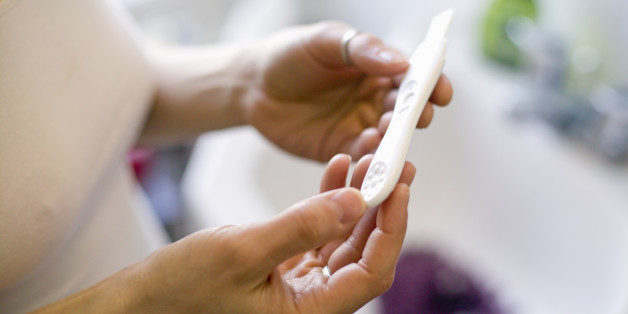
Human fertility is declining, and recent studies suggest conventional food may be a significant contributor to this disturbing trend, seen in both men and women. Pesticides have repeatedly been implicated in worsening fertility, and one of the most recent studies adds further support to this hypothesis.
The study,
1,2 published in
JAMA Internal Medicine, evaluated the influence of factors known to affect reproduction on the reproductive success of 325 women between the ages of 18 and 45 (mean age 35), who underwent in vitro fertilization (IVF). As reported by
Time,3"The women in the study filled out detailed questionnaires about their diet, along with other factors that can affect IVF outcomes, like their age, weight and history of pregnancy and live births."
High Pesticide Exposure Associated With Reduced IVF SuccessUsing a U.S. government database listing average pesticide residues on food, the researchers estimated each participant's pesticide exposure based on their food questionnaires. On average, women with high
pesticide exposure ate 2.3 servings per day of fruits, berries or vegetables known to have high amounts of pesticide residue. Those in the lowest quartile ate less than 1 serving of high-pesticide produce per day.
Compared to women with the lowest pesticide exposure, women with the highest amounts of pesticide exposure had an 18 percent lower IVF success rate. They were also 26 percent less likely to have a live birth if they did become pregnant. Using modeling, the researchers estimate that exchanging a single serving of high-pesticide produce per day for one with low pesticide load may increase the odds of pregnancy by 79 percent, and the odds of having a live birth by 88 percent.













Comment: The relative health of one's gut has a big impact on a number of different bodily functions...