Health & WellnessS


Pills

Probiotics cure peanut allergies in 80% of children - Can potentially replace vaccines for immune stimulation

probiotic bacteria
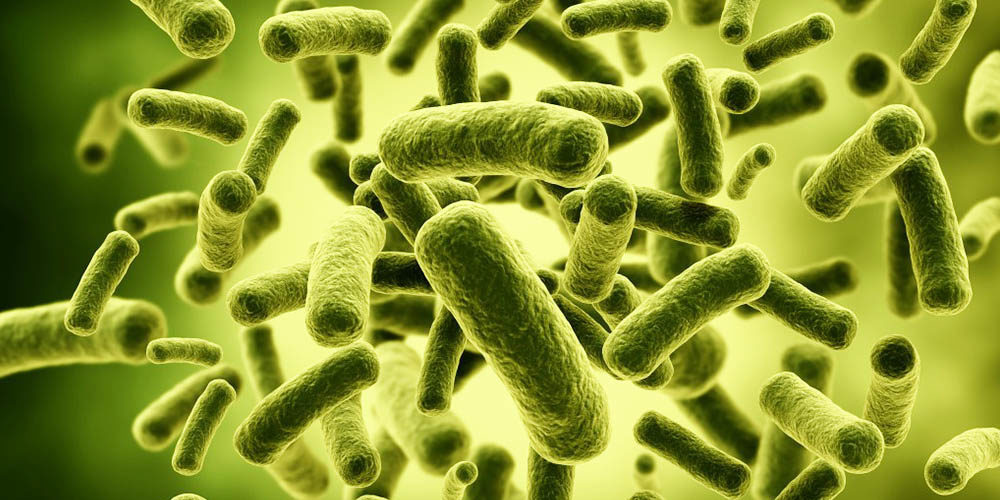
Modern medicine has abandoned one of the most important systems of the human body -- the commensal bacteria colonies that live symbiotically within the human gut. These various bacteria species aid in digestion and protect the organs and blood from toxins. They also boost the immune system. Here's how:

The Loyola University Health System in Chicago discovered that certain Bacillus bacteria in the digestive tract form spores during times of stress. When these bacteria spores meet B lymphocytes from the immune system, the molecules bind, activating the B cells to reproduce faster. This action prompts the rapid reproduction of antibodies to help fight against viral and bacterial infections. This science is the future of boosting human immune systems.

Comment: The potential for probiotic treatments for addressing a number of health issues is really just in its infancy. As the science on the gut biome continues to progress, it's quite likely that we will evolve beyond our current methods of conferring immunity. It is also likely, however, that the Big Pharma cartel will hold on as tightly as it can to the current money-making paradigm, stooping to new lows in smears and attacks to maintain the status quo.

See also:


Book 2

Can food-focused medicine cure food-related disease?

food
So-called "modern" food, produced through industrialized, chemical-intensive farming practices, is causing a host of chronic, hard-to-diagnose and hard-to-treat health problems in children and adults, say Michelle Perro, MD and Vincanne Adams, PhD, authors of What's Making Our Children Sick?

The book explores the impact chronic exposure to toxins in our food-pesticides, hormones and antibiotics-is having on children, many of whom suffer from myriad health problems that are often linked to an impaired gut and overtaxed immune system.

The book also explores the power of ecomedicine-medicine that focuses on clean, healthy food.

Question

What is the Precautionary Principle?

precautionary
Better safe than sorry. Err on the side of caution. An ounce of prevention is worth a pound of cure. We have many ways to say that it is wise to avoid foreseeable problems whenever possible. This idea is so important that the governments of the world created the precautionary principle: a globally agreed upon system for navigating possible risks in situations where scientific understanding is lacking or incomplete.

The most comprehensive and well-known iteration of the precautionary principle comes from the World Commission on the Ethics of Scientific Knowledge and Technology (COMEST), part of the United Nations Educational, Scientific and Cultural Organization (UNESCO). While the precautionary principle itself is not a legally-binding document, it is an important guiding principle found in many international treaties-you can read this document in its entirety to learn more.

Life Preserver

Addressing addiction: France cut Heroin overdoses by 79 Percent in 4 years

suboxone
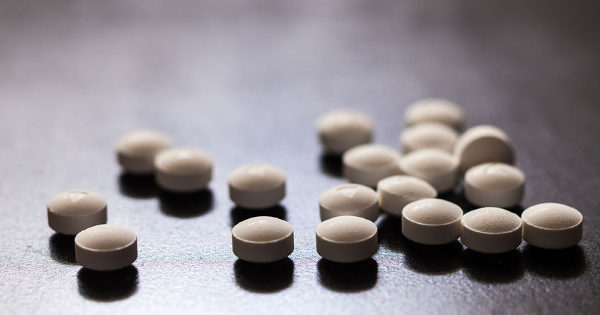
Slips of suboxone, a medication that contains buprenorphine
In the 1980s, France went through a heroin epidemic in which hundreds of thousands became addicted. Mohamed Mechmache, a community activist, described the scene in the poor banlieues back then: "To begin with, they would disappear to shoot up. But after a bit we'd see them all over the place, in the stairwells and halls, the bike shed, up on the roof with the washing lines. We used to collect the syringes on the football pitch before starting to play," he told The Guardian in 2014.

The rate of overdose deaths was rising 10 percent a year, yet treatment was mostly limited to counseling at special substance-abuse clinics.

In 1995, France made it so any doctor could prescribe buprenorphine without any special licensing or training. Buprenorphine, a first-line treatment for opioid addiction, is a medication that reduces cravings for opioids without becoming addictive itself.

People 2

Deep sleep is necessary for emotional resilience

sleep
© Photo by Dmitriy Bilous/Getty
Among all the factors contributing to poor health and early death, stress is perhaps the most pernicious yet commonly overlooked. While the stress response is a lifesaving biological function, enabling you to fight or flee an attacker, this "lifesaving" reaction ends up doing far more harm than good when triggered by financial worries, fear of public speaking, difficult bosses and traffic jams.

The sheer number of stress-inducing situations that face us on a daily basis can make it difficult to turn the stress response off. As a result, you may be marinating in corrosive stress hormones around the clock, and this can have serious consequences, from compounding a weight problem to elevating your blood pressure and raising your risk of a heart attack.1,2

Emotional Resilience Helps Lessen the Impact of Stress

Clearly, stress is an inescapable part of life; it's how you address it that will determine whether it will translate into health problems later on. The stress reaction should dissipate as quickly as possible after the perceived danger has passed. The scientific term for this is "resilience" - your ability to rapidly return to normal, physically and emotionally, after a stressful event.

As explained by wellness coach Elizabeth Scott, diplomate at the American Institute of Stress and author of "8 Keys to Stress Management":3
"More resilient people are able to 'roll with the punches' and adapt to adversity without lasting difficulties; less resilient people have a harder time with stress and life changes, both major and minor. It's been found that those who deal with minor stresses more easily can also manage major crises with greater ease, so resilience has its benefits for daily life as well as for the rare major catastrophe."

Dreamsicle

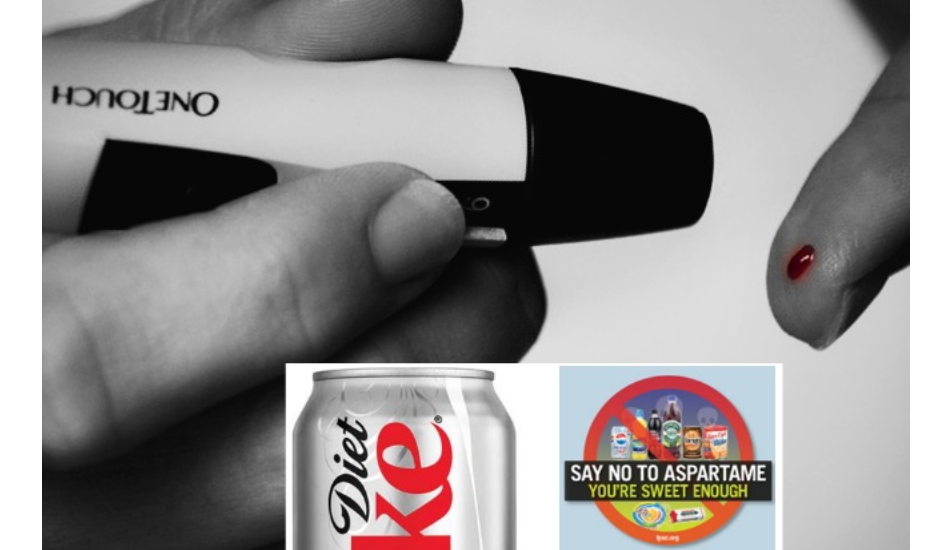
Sorry, artificial sweeteners can also cause diabetes and obesity

diabetes aspartame
Increased awareness of the health consequences of eating too much sugar has fueled a dramatic uptick in the consumption of zero-calorie artificial sweeteners in recent decades. However, new research finds sugar replacements can also cause health changes that are linked with diabetes and obesity, suggesting that switching from regular to diet soda may be a case of 'out of the frying pan, into the fire.'

Artificial sweeteners are one of the most common food additives worldwide, frequently consumed in diet and zero-calorie sodas and other products. While some previous studies have linked artificial sweeteners with negative health consequences, earlier research has been mixed and raised questions about potential bias related to study sponsorship.

Using artificial sweeteners may actually throw off the body's ability to monitor how many calories we consume. Rats fed an artificially sweetened diet tend to overeat when given naturally sweetened high-calorie food compared with rats that had never consumed artificial sweeteners.

This new study is the largest examination to date that tracks biochemical changes in the body--using an approach known as unbiased high-throughput metabolomics--after consumption of sugar or sugar substitutes. Researchers also looked at impacts on vascular health by studying how the substances affect the lining of blood vessels. The studies were conducted in rats and cell cultures.

Comment: See also:


SOTT Logo Radio

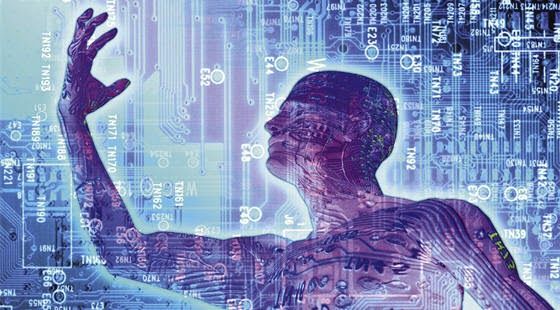
SOTT Focus: The Health & Wellness Show: Extreme Biohacking, Transhumanism and the Singularity

Image
© unknown
Who doesn't love a good biohack? Seeking longevity, convenience, uber-intelligence, super human strength and optimal functioning is something that health conscious people science nerds have in common. But what happens when it's taken too far? When does dreaming of immortality, human-machine interfaces and implants, consciousness uploading and artificial intelligence cross the line from geeky speculation into being anti-life and anti-human? In a free will universe personal experimentation is a valid choice but there is the very real fear that a large portion of humanity will be dragged, kicking and screaming, into a world where technology and materialism rules.

Join us for this episode of The Health and Wellness show where we'll discuss the sometimes strange world of obsessive biohackers, the always creepy transhumanist agenda and whether or not The Singularity will come to fruition.

Running Time: 01:16:13

Download: MP3


Pills

Researchers test Ecstasy as possible treatment for alcoholism

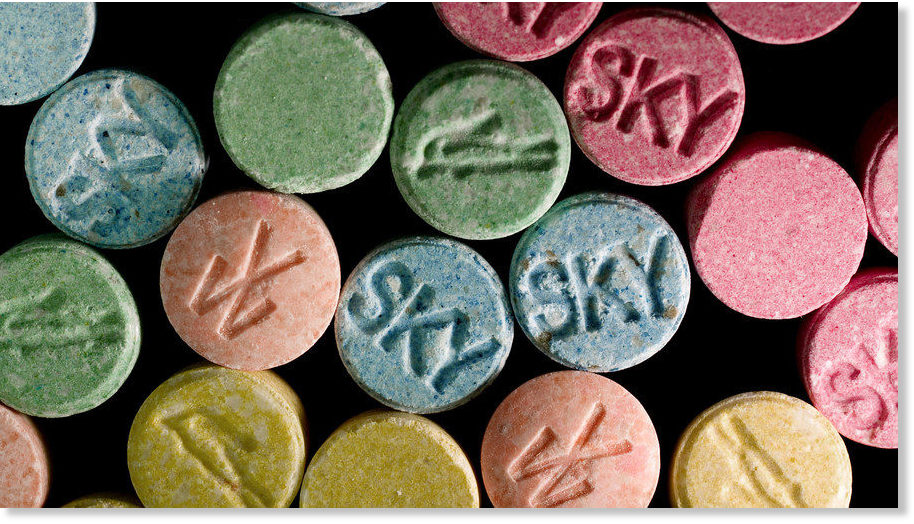
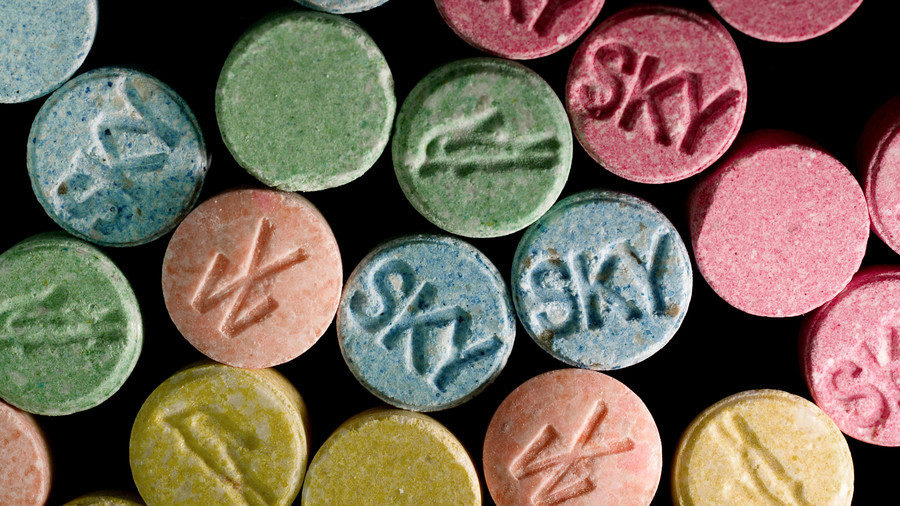
Ecstasy pills.
© DEA / ReutersEcstasy pills.
The world's first ever clinical trials of MDMA-assisted therapy for the treatment of alcohol dependency have begun at Imperial College London.

The study, led by researchers at the university, consists of various therapy sessions. The third of six weekly sessions will see participants taking MDMA, commonly known as the recreational drug ecstasy. It's hoped the study will provide alternative therapies for mental health conditions.

Dr Ben Sessa, a senior research fellow at Imperial who is working on the trials, told TalkingDrugs that, with available treatments, some 90 percent of alcoholics relapse at some point within four years, according to the National Institute for Alcohol Abuse and Alcoholism.

"Imagine those kind of outcomes in surgery or immunology or even oncology," Sessa, an experienced child psychologist, told TalkingDrugs. "Doctors wouldn't tolerate that. After 100 years of modern psychiatry, it's outrageous. If we can do any better than 90 percent relapse rates, then we're onto something."

Comment: More on the possibility of using MDMA as a treatment for PTSD:


Cardboard Box

Study unearths paradox: Opioids cause chronic pain

opioids
We all know that surgery is often painful, but a new study will have you thinking twice before you fill that pain-pill prescription. As this new science reveals, even a few days of opiates can set you up for a longer, more painful recovery

A just-released study has called into question the feasibility of using opioids to manage post-surgical pain. Rats given repeated doses of morphine experienced inflammation and pain for three weeks longer than non-medicated test subjects.

Brain

Eating more fish could prevent Parkinson's disease

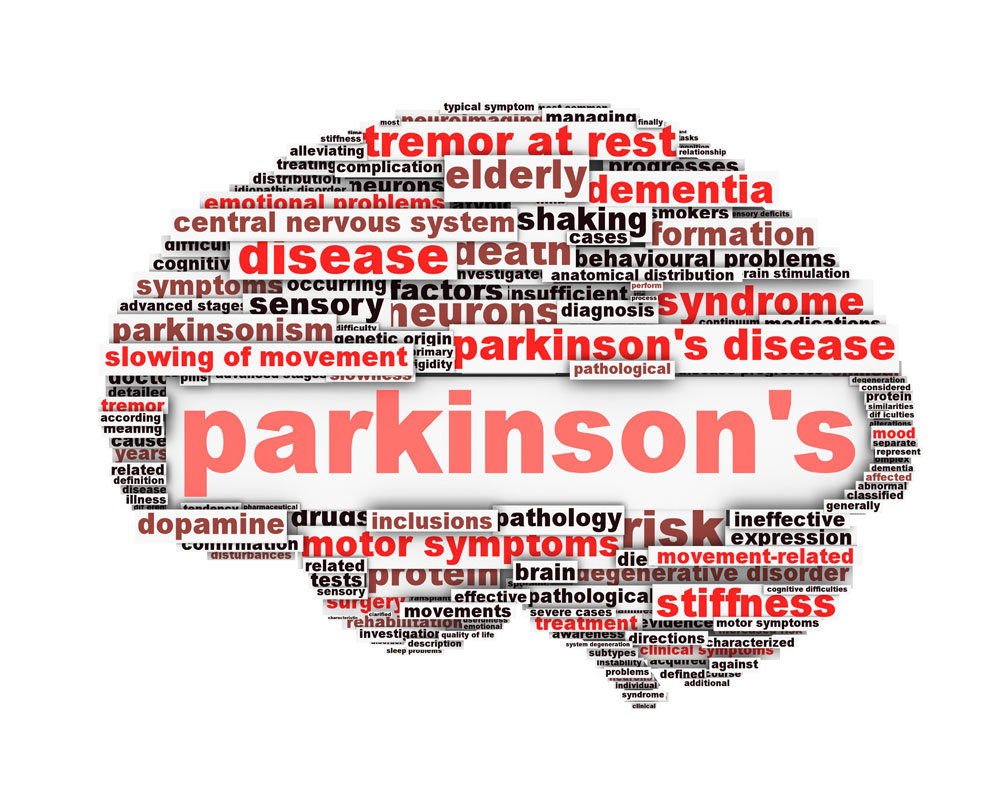
Nova istraživanja: Parkinsonova bolest započinje u crijevima, a ne u mozgu
A new study from Chalmers University of Technology, Sweden, shines more light on the link between consumption of fish and better long-term neurological health. Parvalbumin, a protein found in great quantities in several different fish species, has been shown to help prevent the formation of certain protein structures closely associated with Parkinson's disease.

Fish has long been considered a healthy food, linked to improved long-term cognitive health, but the reasons for this have been unclear. Omega-3 and -6, fatty acids commonly found in fish, are often assumed to be responsible, and are commonly marketed in this fashion. However, the scientific research regarding this topic has drawn mixed conclusions. Now, new research from Chalmers has shown that the protein parvalbumin, which is very common in many fish species, may be contributing to this effect.

One of the hallmarks of Parkinson's disease is amyloid formation of a particular human protein, called alpha-synuclein. Alpha-synuclein is even sometimes referred to as the 'Parkinson's protein'.