Health & WellnessS


Sun

Study: Many Sunscreens May Be Accelerating Cancer

Image

Almost half of the 500 most popular sunscreen products may actually increase the speed at which malignant cells develop and spread skin cancer because they contain vitamin A or its derivatives, according to an evaluation of those products released today.

AOL News also has learned through documents and interviews that the Food and Drug Administration has known of the potential danger for as long as a decade without alerting the public, which the FDA denies.

The study was released with Memorial Day weekend approaching. Store shelves throughout the country are already crammed with tubes, jars, bottles and spray cans of sunscreen.

The white goop, creams and ointments might prevent sunburn. But don't count on them to keep the ultraviolet light from destroying your skin cells and causing tumors and lesions, according to researchers at Environmental Working Group.

Red Flag

EPA Declares Formaldehyde Causes Cancer

The EPA has concluded that formaldehyde is carcinogenic when inhaled by humans, a finding that could lead to stringent new regulations of the widely used chemical.

Used in the production of countless consumer products, formaldehyde attained a degree of national infamy after Hurricane Katrina when some of those living in the 120,000 trailers provided by FEMA as temporary housing for storm victims reported respiratory and other health problems after prolonged exposure to the chemical, which is contained in wood products in the trailers.

The EPA's draft assessment of the health perils of formaldehyde, released Wednesday, is now subject to 90 days of public comment and a nine-month peer review by a panel of the National Academy of Sciences, on its way likely to forming the basis for new regulation of formaldehyde levels in myriad products.

Info

How Gluten Damages the Brain With Dr. Parker

Dr. Peter Osborne of the Gluten Free Society and Dr. Charles Parker of Corepsych discuss the impact of gluten on the brain and nervous system.


Question

Headaches, Depression, Nerve Damage, and Seizures...Is Gluten to Blame?

Image
Headaches, Depression, Nerve Damage, and Seizures... What They All Have in Common

In one study, 70% of gluten intolerant patients had social phobias. Depression was found in 52%. These are neurological manifestations of the disease, or are related to the disease, and they're not the only ones either.

Italian researchers found that 22.5% of the patients with gluten intolerance had headaches, depression, epilepsy, & nerve entrapment syndromes such as carpal tunnel syndrome, and peripheral neuropathy.

The immune system was clearly involved in about 42% of the patients, as antibody reactivity to neural(nerve) antigens was detected. Interestingly, those who had antibodies to neural antigens did not necessarily have neurological problems. This indicates that these problems may take awhile to manifest.

Also noted was that if patients changed to a traditional gluten free diet, the follow-up lab work still revealed the same antibodies. In other words, only eliminating wheat, barley, and rye, didn't change the immune system response in those with gluten sensitivity.

Source:

J Neuroimmunol, March 2008, Vol. 195, No. 1-2, pg. 171-75. Epub March 17, 2008.

Comment: For more information about the negative health effects of gluten read the following articles carried on SOTT:

The Dark Side of Wheat - New Perspectives on Celiac Disease and Wheat Intolerance

Opening Pandora's Bread Box: The Critical Role of Wheat Lectin in Human Disease


Attention

Gluten Causes Nerve Damage

Image
Another study links nerve damage to gluten sensitivity. Gluten has been identified as a potential neurotoxin, and many with gluten sensitivity do not manifest symptoms of classic celiac disease, but instead develop nerve damage. In this study, the average age for nerve damage to develop was 55. A correlation was found between patients with idiopathic neuropathy (nerve damage of an unknown cause) and the presence of gluten intolerant HLA-DQ genes.

Source:

J Neurol Neurosurg Psychiatry 2006;77:1262-1266.

Bad Guys

Big Pharma Blackmails Greece; Halts Medicine Supply Over Cash Demands

Image
© NaturalNews
In the midst of runaway economic problem in Greece, the pharmaceutical industry has decided to blackmail the nation and halt shipments of medicines to Greece until it agrees to pay full price for the drugs.

In order to cut costs during its severe debt crisis, Greece had announced it would pay drug companies 25 percent less for their products, but this loss of profit was enough to convince several pharmaceutical companies supplying key drugs to the country to initiate their own medical blockade where they simply refuse to deliver any more medicines.

In doing this, Big Pharma shows its true character. When the profits are flowing and the companies are raking in full-price profits, they're your best friend. But when budgets get tight and everybody is asked to take a cut, Big Pharma betrays your country and its citizens, withholding medicines in a thinly-veiled blackmail attempt to force you to cough up more cash.

Magnify

Nine Meals From Anarchy: What the Coming Food Collapse Means for Civilization

A growing reliance on imported food and other necessities is making First World nations such as the United Kingdom increasingly vulnerable to social collapse, warns Andrew Simms, policy director of the "think-and-do tank" of the New Economic Foundation, writing in The Guardian.

"Events are revealing that many of the things we take for granted, like bank accounts, fuel and food, are vulnerable," he writes. "If we value civilization, the litmus test for economic success should not be short-term profitability, but resilience in the face of climatic extremes and resource shortages."

Simms notes that the assumptions of the free market have led to an economic system focused on producing the greatest cost savings rather than the greatest sustainability. This has led many First World countries to turn away from producing food domestically in favor of cheaper (and more profitable) imports.

Ambulance

Avoidable Mistakes Rise Despite Hospital Efforts

Image
Drill bits, screws, sponges, clamps, needles, catheters, electrodes. These are some of the things accidentally left inside patients after surgery at California hospitals.

These instances are referred to as "never" events, meaning they are never supposed to happen. But even though they are reported in a small percentage of surgeries, they occur with alarming regularity.

Surgical equipment inadvertently left inside patients after procedures and operations accounts for the second-most-common preventable adverse event in acute care, behind serious pressure ulcers, or bed sores.

Family

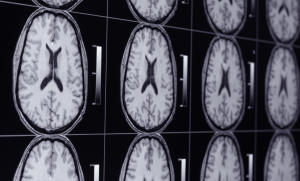
Are the scars of deprivation imprinted on a child's brain?

Image
© AlamyScientists believe a deprived childhood could have profound effects on the developing brain
A deprived childhood could have profound effects on the developing brain, experts believe.

Academics from five British institutions, including Oxford University, will study the brains of troubled youngsters in an attempt to prove that their 'wiring' was affected by the abuse or neglect they suffered as toddlers.

They will use scans to determine whether some brain areas are over-active and other parts are under-used.

The Peace of Mind project, commissioned by the charity Kids Company, will also look at whether providing such youngsters with surrogate parenting and loving care has a positive effect on the brain.

Kids Company chief executive Camila Batmanghelidjh said: 'Most of us are only programmed to be frightened for short periods without getting some relief.

'But the 1.5million children who are abused and neglected every year in the UK are actually being frightened chronically without rest or relief. The consequence is often disturbed behaviours and violence.

Magnify

Science Picks Through the Chocolate Nuggets

Image
© Ricardo DeAratanha / Los Angeles TimesOverhyped headlines aside, most of the human studies on chocolate's effects have so far been small and of short duration and have ties to chocolate makers.
Studies have shown benefits from compounds in cocoa, but they remain unproved, and many of the studies have ties to chocolate makers.

It's every sweet tooth's dream. A steady stream of studies has linked chocolate to a variety of health benefits, including decreased blood pressure, lower cholesterol, reduced risk of heart disease, even effects on mood.

But the evidence, all of it, is preliminary.