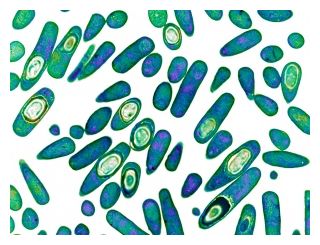
© Southampton General Hospital / SPLCertain strains of the bacterium Clostridium difficile are resistant to antibiotics, and can prove fatal.
Our last line of defence against hospital 'superbugs' is faltering, with resistance to the antibiotics usually used to tackle intractable pneumonia and urinary tract infections on the rise and spreading across European countries.
The European Centre for Disease Prevention and Control (ECDC) in Solna, Sweden, announced last week that 29 new cases of bacteria resistant to the broad-spectrum carbapenem antibiotics had been reported across a total of six European Union (EU) countries between early October 2010 and the end of March 2011.
The figures coincide with the publication, on 17 November, of a European Commission strategy to tackle antibiotic resistance. The plan sets out 12 recommendations, including strengthening surveillance systems to better track and report cases of resistance, providing advice on the "prudent" use of antibiotics in human and veterinary medicine - including correct dosage - and launching research initiatives focused on better understanding how resistance arises and developing new antibiotics.
Tackling antibiotic resistance "is now critical, with the establishment of resistance to the last line of antibiotics being reported to the ECDC from several European countries for the first time", Marc Sprenger, ECDC director, told reporters at a press conference. "Failure to act will mean that treatment options for patients will be severely limited."


















Comment: For more information about the dangers of routine screening read:
Cancer Screening is Essentially Useless; Experts Finally Begin Questioning Sanity of "Routine Screening"
New study: Breast Cancer Deaths Lower in Areas Without Mammograms
Women being conned about breast cancer screening