
© redOrbit
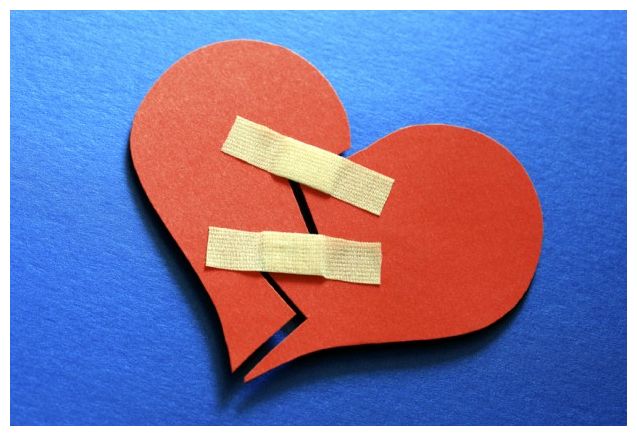
Researchers have found that women are about seven to nine times more likely to suffer from "broken heart syndrome" during sudden or prolonged stress.
The syndrome is caused during a stressful event like an emotional breakup or death, which then causes overwhelming heart failure or heart attack-like symptoms.
Japanese doctors first recognized the syndrome around 1990 and named it Takotsubo cardiomyopathy.
Tests show dramatic changes in rhythm and blood substances typical of a heart attack, but no artery blockages. Most victims can recover within weeks, but in some cases it is fatal.
"I was very curious why only women were having this," Dr. Abhishek Deshmukh of the University of Arkansas, who has treated some of these cases said at an American Heart Association conference in Florida.
He used 6,229 cases in 2007 from a federal database with about 1,000 hospitals. Only 671 of the cases involved men.

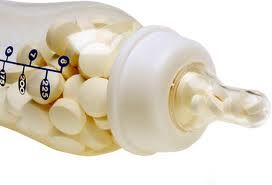














Comment: For more information on the harmful effects of Ritalin on young children read:
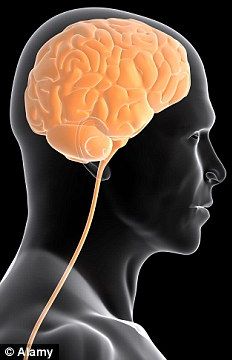
Pediatric Ritalin Use May Affect Developing Brain, New Study Suggests
Behaviour drugs given to four-year-olds prompt calls for inquiry
Children 'wrongly given' Ritalin
ADHD Drugs Proven Absolutely Useless for Children - Plus, They Stunt Growth