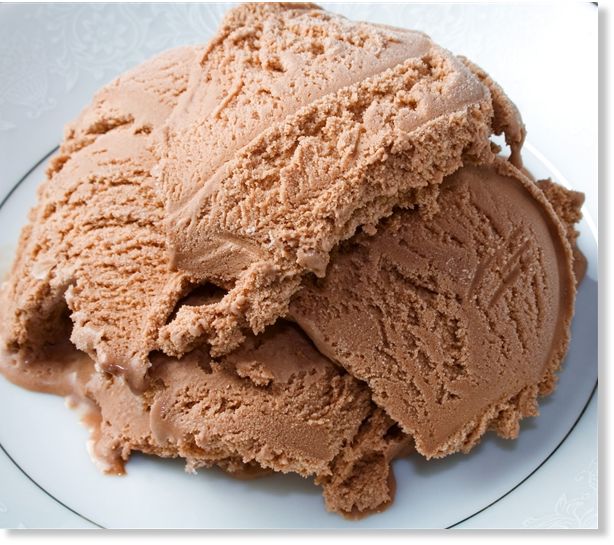
© Featurepics.comChocolate ice cream is a frequent catch-all for botched batches of other flavors, which are doled out in small amounts and mixed with the dark, rich treat in order to avoid waste and expense. Reworking food is a common practice, industry experts say.
"I was appalled that there were actually human beings that were OK with this," said Kantha Shelke, a food scientist and spokeswoman for the Institute of Food Technologists. "This is a case of unsafe food. They are trying to salvage that to make a buck."
But even as Food and Drug Administration officials prepare to re-inspect Snokist Growers of Yakima, Wash., to ensure that the applesauce maker keeps toxin-tainted fruit off store shelves, federal officials and industry experts acknowledge that Snokist is not alone in "reworking" faulty food.
Turning imperfect, mislabeled or outright contaminated foods into edible -- and profitable -- goods is so common that virtually all producers do it, at least to some extent, sources say.
"Any food can be reconditioned," said Jay Cole, a former federal inspector who now works as a senior consultant with The FDA Group, a firm that specializes in helping manufacturers comply with industry regulations.
"It's how people do their business," added Shelke, founder of Corvus Blue, a Chicago-based packaged goods consulting firm.
It may be something benign, such as misshapen pieces of pasta that are re-ground into semolina, or something unexpected, like a batch of mislabeled blueberry ice cream mixed in with chocolate to avoid waste.
It might be something unappetizing, such as insect parts sifted out of cocoa beans or live bugs irradiated -- and left behind -- in dried fruits like dates and figs.
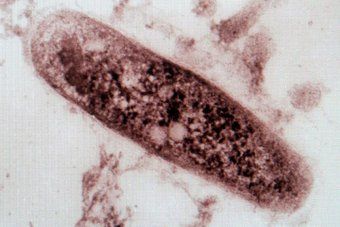
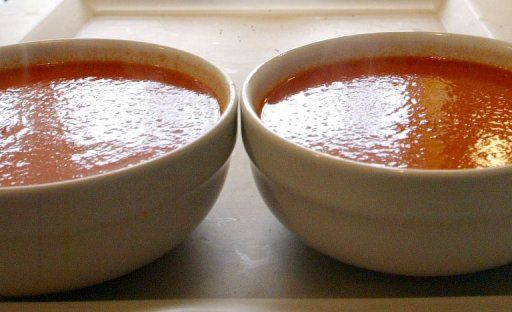
Or it could be something alarming, such as the salmonella Tennessee bacteria detected last year in huge lots of hydrolyzed vegetable protein, or HVP, a flavor enhancer used in foods from gravy mix and snack foods to dairy products, spices and soups.