Earth ChangesS


Snowflake

Storm Celia kills 5 and dumps snow in Canary Islands, Spain

snow
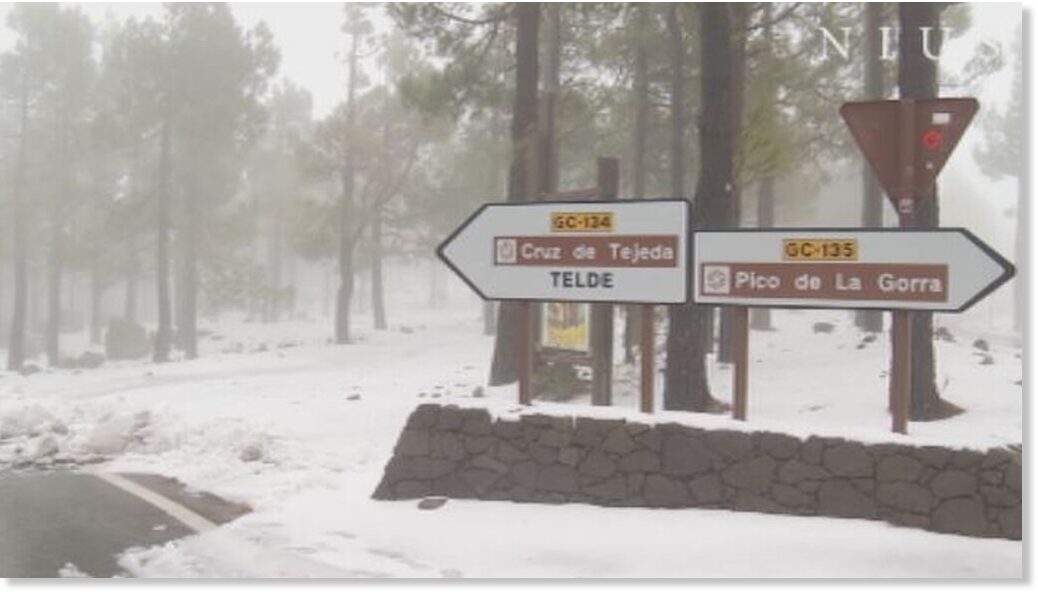
Extreme weather conditions on the Canary Islands mean Tenerife's Mount Teide can hardly be reached. The 170,000-year-old volcano is the third-largest in the world - making it one of the region's proudest landmarks and a key attraction for British holidaymakers.


Comment: Get the 'relevant facts' in first!


Since early Tuesday morning, access to the Teide National Park by the TF-38, one of four roads leading to the site, has been blocked due to ice and snow water on the road.

The impact of the storm, though, can be felt all across Tenerife and the wider archipelago.

The islands are currently all subject to orange and yellow warnings for strong waves and winds.

Wind gusts of up to 93mph (150kph), waves of six meters, fallen trees and branches, broken power lines, and collapsed walls are posing a threat to life.


Arrow Down

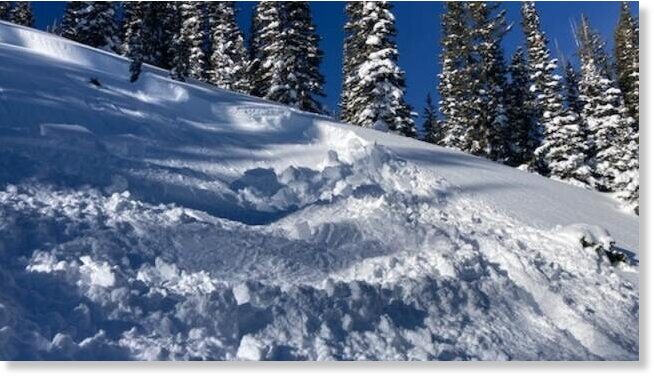
Wyoming avalanche victim identified as 58-year-old Rapid City man

avalanche
The Carbon County Sheriff's Office (CCSO) has identified the person who died in an avalanche while snowmobiling in the Sierra Madre mountains on Saturday as Jon P. LaFramboise, 58, of Rapid City, South Dakota.

LaFramboise and another person had been snowmobiling near Hog Park when the avalanche occurred on Saturday. CCSO says it was notified by the other snowmobiler at around 1 p.m. Saturday with the person reporting they had attempted CPR on LaFramboise but had been unable to detect a pulse and noticed he wasn't breathing.

CCSO Deputy Patrick Patterson responded to the call and activated search and rescue units out of Saratoga, Ryan Park and Encampment. The Saratoga team was asked to bring a snowcat.


Cloud Precipitation

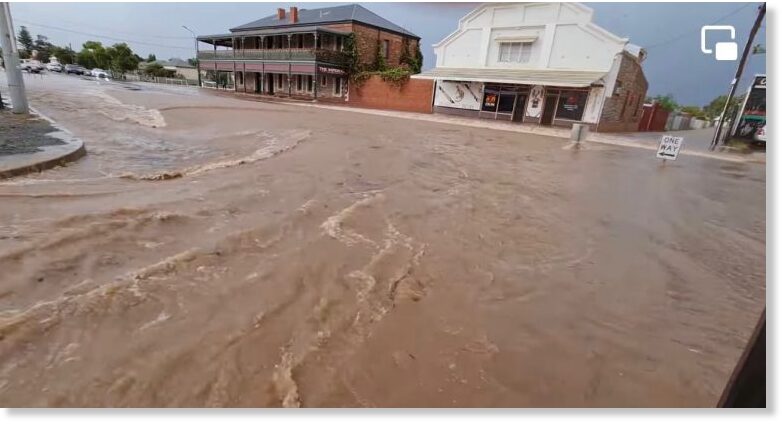
More deadly floods hit New South Wales, Australia - An inch of rain in just 30 minutes

Floods in Broken hill NSW Australia, 15 March 2022.
© NSW SESFloods in Broken hill NSW Australia, 15 March 2022.
Flash flooding in the outback city of Broken Hill, New South Wales, Australia, on 15 March 2022 has prompted flood rescues and caused one fatality.

While many areas of northern and eastern parts of the state are recovering from the widespread flooding that began in late February, heavy rain caused flash flooding in the far west of New South Wales (NSW) on 15 March 2022.

Australia's Bureau of Meteorology (BoM) said "26mm of rain fell in 30 minutes at Broken Hill with thunderstorms earlier this afternoon. Heavy rainfall is likely with slow moving storms over western NSW. A severe thunderstorm warning is in place."

A total of 72.4 mm of rain fell in 24 hours at Broken Hill Airport. Local media said numerous locals have reported more than double that amount.


Info

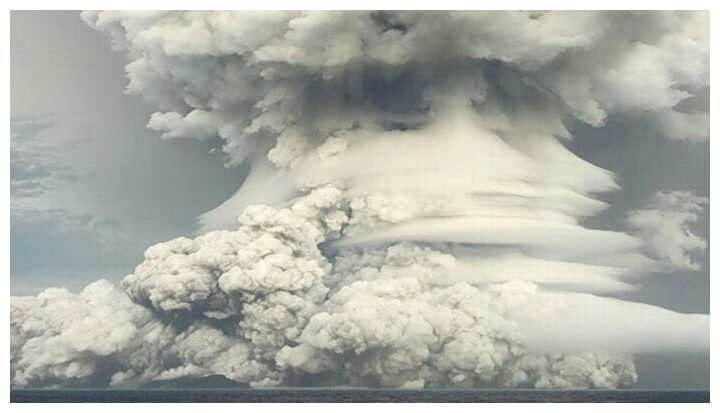
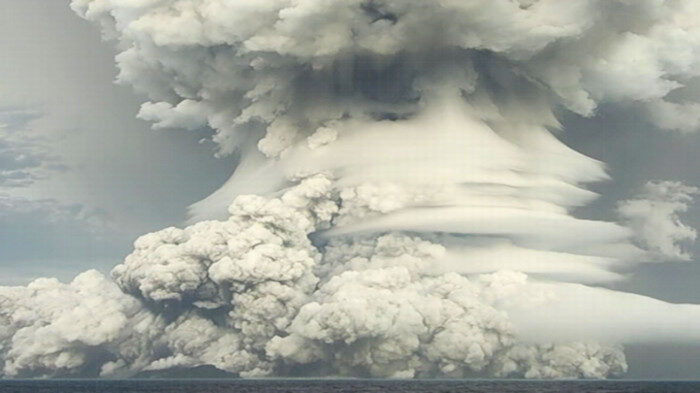
Did volcanic dust from Hunga Tonga cause flooding in Australia?

Hunga Tonga-Hunga Ha’apai.
© JoNovaHunga Tonga-Hunga Ha’apai.
Unusual rain in Australia started within days of the Hunga Tonga dust cloud travelling across the continent

On January 15th, Hunga Tonga launched a magma-powered thunderstorm that sent atmospheric shockwaves around the world. Ash, salt and particulates were carried through rising columns, right through the stratosphere, into the mesosphere and all the way up to 58 kilometers above Earth. For hours 400,000-odd lighting bolts zapped the airborne chemical soup.

The dust from Hunga-Tonga travelled West and reached Australia on Jan 18 - 20th. On Jan 21-22 flooding rain washed out the main railway line and roads in central Australia. Over the next few weeks, rains soaked the ground across parts of Queensland and New South Wales. By February 15th, the remnant volcanic dust that had circled the Earth and was back again creating rich red sunsets over Australia. A week or so after that, the rain bombs fell on South East Queensland, and travelled south through New South Wales to Sydney.

The big unknown is that the Hunga-Tonga volcano launched water vapor, salt and dust incredibly high — almost too high. The aerosols are far above the troposphere where rainfall originates and some of that floating ash was still too high even as it returned on the second lap of the Earth at 25km above sea level. On the other hand, some particles will fall out faster than others, others will be highly charged and possibly novel entities created in the monster lightning storm above the volcano, and some ash and particles will have been released at lower heights.

This post was inspired by Jennifer Marohasy who pointed out the weak La Nina conditions don't really explain the floods in Australia this year. She wondered if the recent Australian rain was fueled by aerosols from Hunga Tonga and describes how rainfall has been linked to past eruptions in scientific papers: after "El Chichon spewed 20 million tonnes of aerosols into the stratosphere in 1982, Hong Kong recorded very high rainfalls as the dust arrived across the Pacific".

Arrow Down

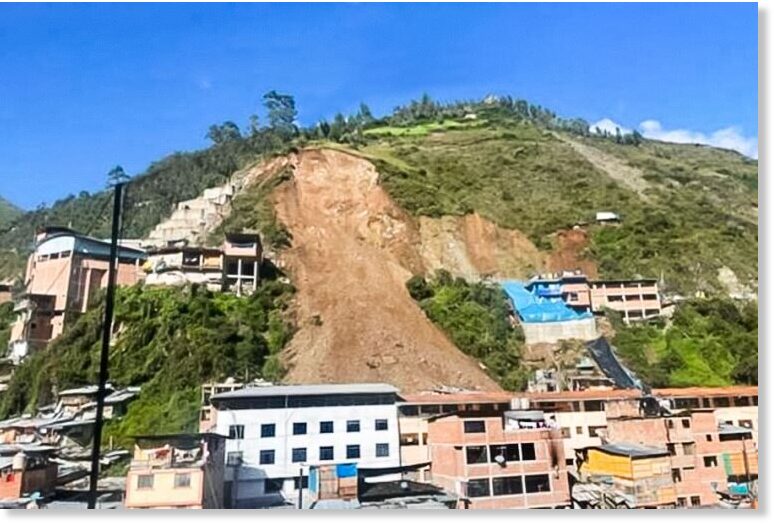
Peru landslide: At least 60 houses with people inside buried in Pataz province

landslide
A landslide has trapped at least 60 houses with people inside with footage capturing the moment mud and rocks fell over the town below.

While casualties are yet unknown, dozens of people are feared dead after a landslide buried multiple homes. The disaster occurred at around 8.30am local time and was believed to be a result of the heavy rain in the La Libertad region of Peru. Local news outlets shared the moment of the catastrophe which sees the ground fall from a nearby cliff and residents desperately trying to free people trapped indoors.


Windsock

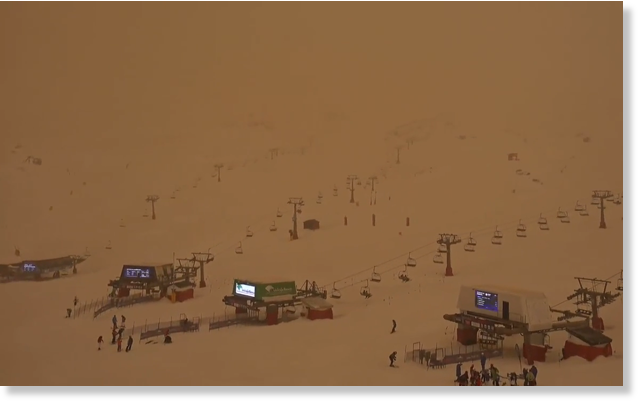
Best of the Web: Sahara dust storm turns sky orange in Spain and France

The scene in the Sierra Nevada, in Spain's Granada province.
© IDEALThe scene in the Sierra Nevada, in Spain's Granada province.
A dust storm hit Southern Europe today on March 14th and 15th 2022.

Storm Celia caused dust and sand to be blown from the Sahara desert across the Mediterranean into Spain and France.

The particles in the air turned the sky bright orange in areas. Areas particularly affected included Almeria and Murcia.


Snowflake Cold

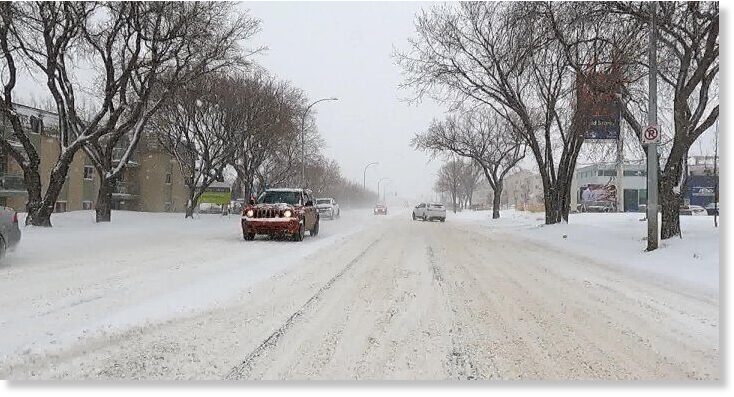
Winter frozen in place for many portions of Saskatchewan

SNOW
This winter season is one that just doesn't seem to want to go away.

Snow, wind and blizzards, and sudden extreme drops in temperature from warmer to cold have been a common theme this winter in Saskatchewan.

With the calendar reading mid-March, there is plenty of snow that needs to melt in order to help it feel more like spring. However, if Mother Nature decides to warm up quickly, there is a chance for a lot of pooling water in and around Saskatoon.


Snowflake Cold

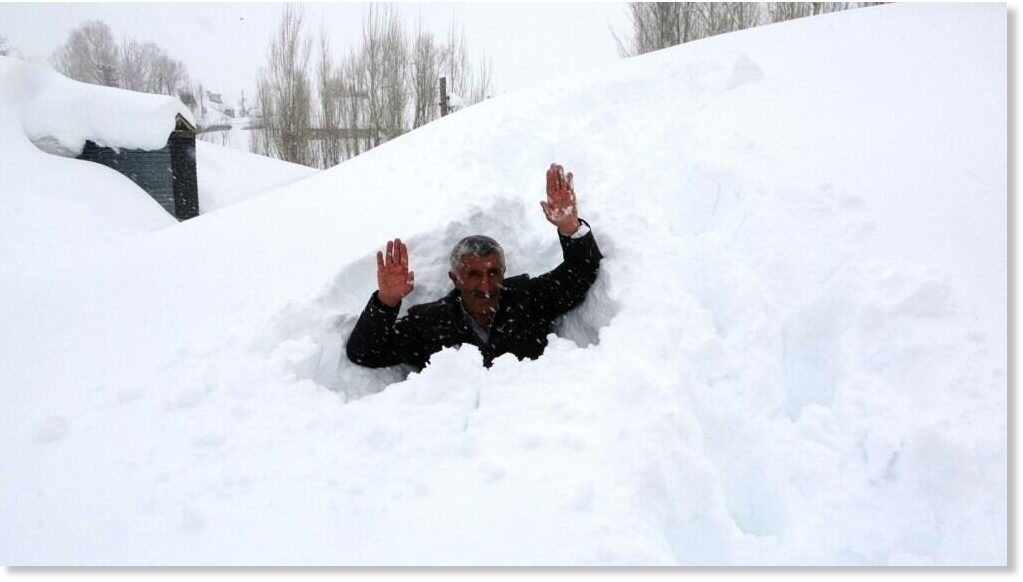
Village at 1,800-meter altitude 'swallowed' by snow in Turkey

snow
A village in the eastern province of Muş has been completely blanketed in snow due to continuous precipitation, with villagers opening small tunnels to reach the surface and visit their neighbors or look after their stables.

"I have not seen such snowfall for the last 30 years. It swallowed the entire village," Sabri Yöndem, a 79-year-old resident of the Yukarıyongalı village, told the İhlas News Agency.

The village has a population of around 700 residents and is located at an altitude of about 1,800 meters.

"I start the day shoveling the snow and opening tunnels to reach the stables to feed animals," he added.


Cloud Precipitation

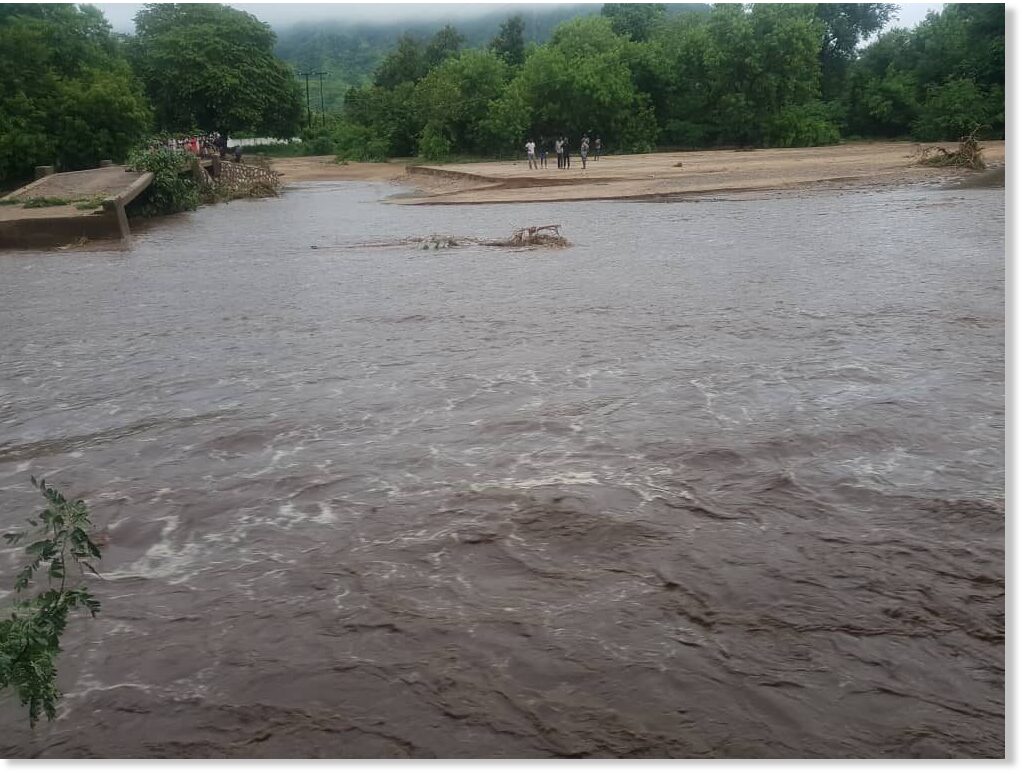
Malawi - 4 dead after Cyclone Gombe causes floods in south

Bridge destroyed in Malawi after flooding from Cyclone Gombe, March 2022.
© Malawi Red CrossBridge destroyed in Malawi after flooding from Cyclone Gombe, March 2022.
Disaster authorities in Malawi report that at least 4 people have died as a result of heavy rain brought by Cyclone Gombe.

Authorities issued warnings for the districts of Mulanje, Nsanje, Chikwawa, Phalombe, Zomba, Machinga, Thyolo, Chiradzulu, Blantyre and Mangochi. Malawi's Department of Disaster Management Affairs (DoDMA) urged people living in flood-prone areas to move upland and to avoid crossing flooded rivers.

Cyclone Gombe brought heavy rains of more than 100 mm in 24 hours, flooding areas in Southern Region including Chikwawa, Mulanje and Nsanje where roads are blocked causing severe disruption to transport.


Snowflake

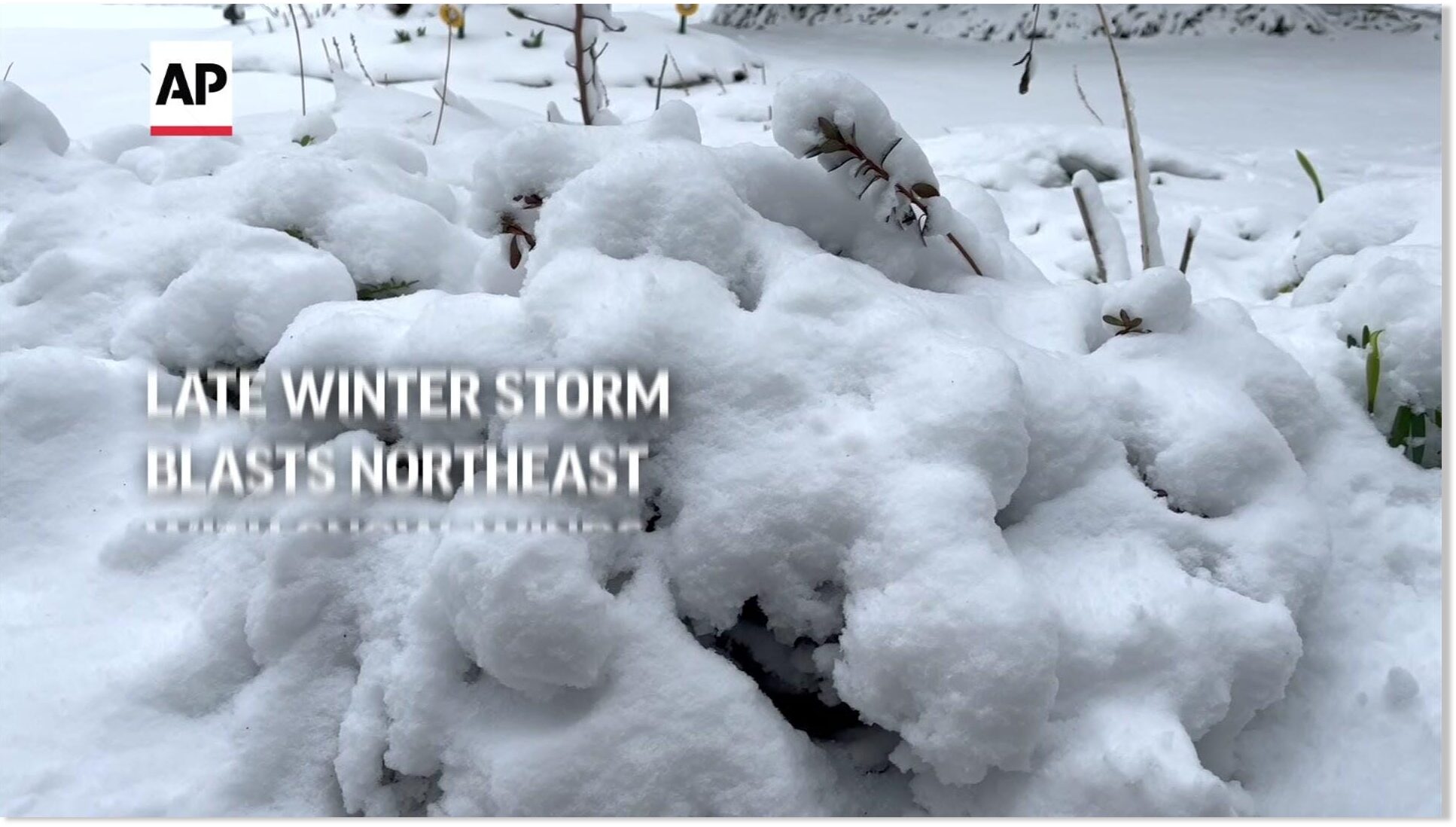
Late winter storm blasts Northeast US with snow, winds

SNOW
A late winter storm blasted the northeastern United States on Saturday with high winds and snow. (March 12)