
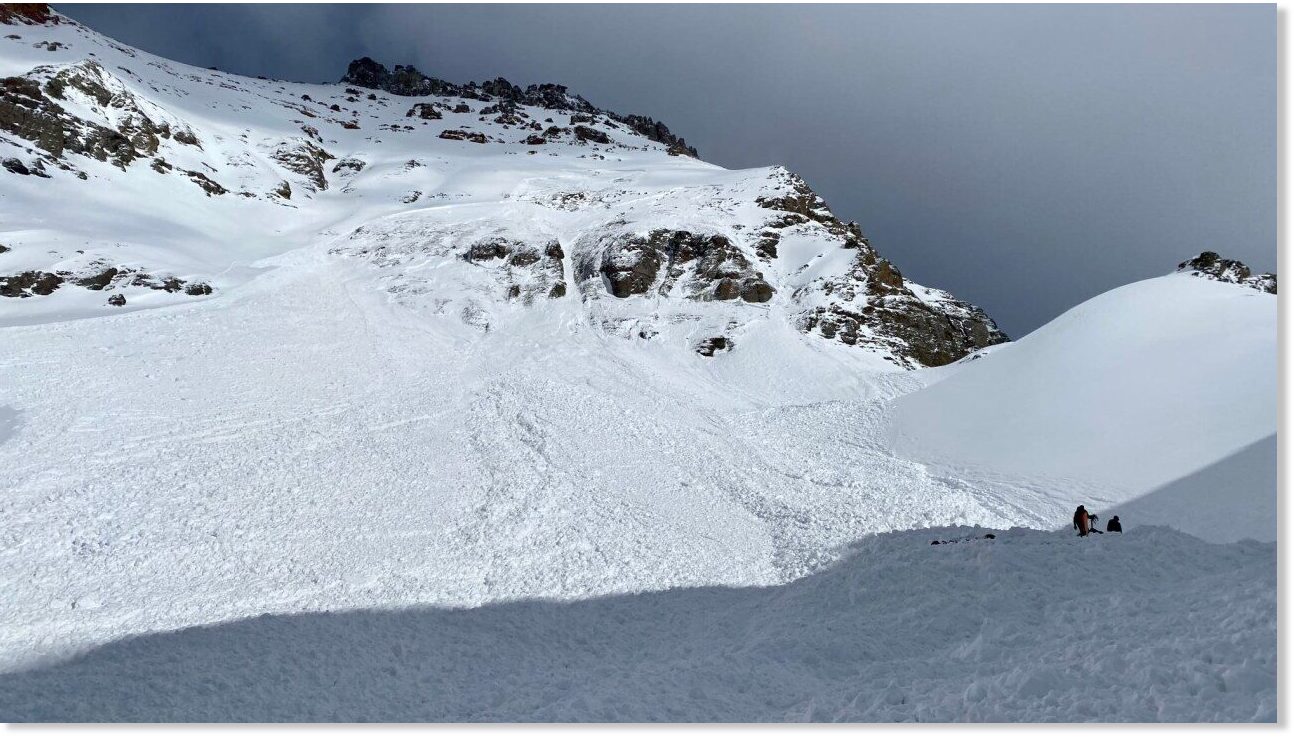
© San Miguel County Sheriff's Office
The avalanche happened south of Trout Lake, about five miles southwest of the town of Ophir, according to the Colorado Avalanche Information Center (CAIC).
Around 3 p.m., Telluride Helitrax, a local heli-ski outfitter, was flying in the Trout Lake area and spotted evidence of an avalanche. The crew saw a single set of tracks going into the slide area but none coming out, the sheriff's office said.
A search and rescue mission was launched while Helitrax began an aerial beacon search. The sheriff's office said the Helitrax crew detected a signal and landed their helicopter. They then found a snowboarder who had been buried in the debris. He was under two meters of snow, according to the CAIC.

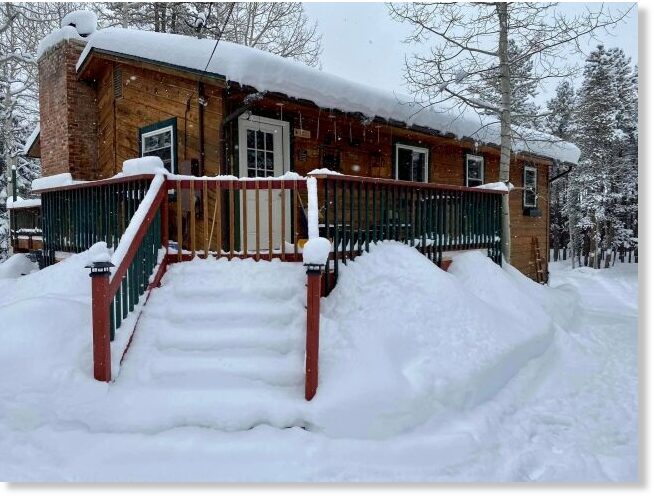









Comment: Colorado March snowstorm dumps up to 17 inches of snow