
A new assessment by the International Union for Conservation of Nature (IUCN) has revealed that a quarter of the world's sharks and rays are at risk of extinction.
A new assessment by the International Union for Conservation of Nature (IUCN) has revealed that a quarter of the world's sharks and rays are at risk of extinction.
The latest update to the IUCN's "Red List" of threatened species, which found ray species to be at higher risk than sharks, is part of a first-ever global analysis of these marine species.
Researchers assessed the conservation status of 1,041 shark, ray and chimaera species, which are all so-called "cartilaginous fish," meaning they have skeletons made of cartilage rather than bone. A chimaera is type of jawed fish closely related to sharks and rays.
The researchers found that sharks, rays and chimaeras face a substantially higher risk of extinction than do most other animals.
In fact, only 23 percent of shark, ray and chimaera species are categorized as being safe, or of "least concern," IUCN officials said.
Nick Dulvy, co-chair of the IUCN Shark Specialist Group and Canada Research Chair at Simon Fraser University in British Columbia, Canada, said in a statement that the analysis shows that sharks and their relatives are facing an alarmingly elevated risk of extinction, LiveScience reported.
He said that in greatest peril are the largest species of rays and sharks, especially those living in shallow water that is accessible to fisheries, where they can become entangled in fishing gear a phenomenon known as bycatch.
Source: Asian News International













Comment: Not complicated enough, if one is to spend time educating oneself on this topic.
Here's what is known to us so far: The surface of the planet was, for a period of time (as reported in numerous stories back some 5/6 years ago) actually warming. There were reports of many hot-spots in various places, in some cases, hot enough to ignite. This is now being countered by surface cooling due to other factors, like global dimming/induction of colder air, etc. This heating of the lithosphere is probably due to the slowing of rotation which generates internal heat between the lithosphere and the mantle, and leads to increased volcanic eruptions, earthquakes, sinkholes, etc, and is probably also responsible for many of the strange sounds.
It is the upper atmosphere - the stratosphere - that is cooling and that is the reason for sun pillars, rings around the sun, double/triple/quadruple images of the sun, contrails, etc.
Volcanic dust does not heat the upper atmosphere by "trapping heat" in the stratosphere. That the stratosphere is colder and has dropped lower has been reported by scientists, though that information gets sidelined. The AGW folks would LOVE people to believe that nonsense.
Then, there is the comet dust/smoke in the upper atmosphere that further contributes to the cooling as you can see from the dramatic increase in noctilucent clouds.
At the same time that is going on, the quiescent sun and the earth's weakened magnetic field allow more cosmic radiation to reach the troposphere where it forms cloud nuclei and increases precipitation from the increased evaporation from the oceans caused by the increasing heat within the earth caused by the slowing of rotation.
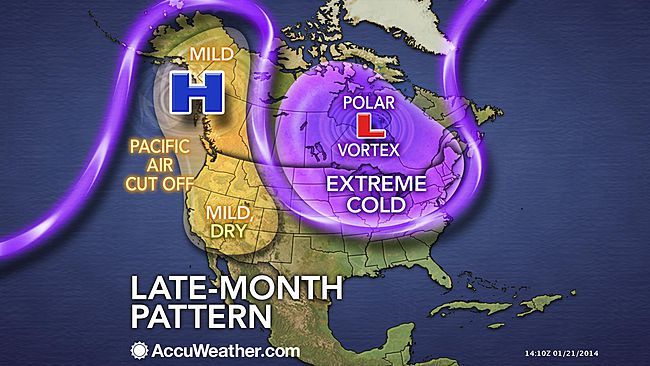
These are all the conditions for the initiation of an ICE AGE: heat at the lower levels, troposphere where "weather" takes place, extreme cold at the upper levels of the atmosphere, which can then create interesting effects including polar vortices.