© triblive.com
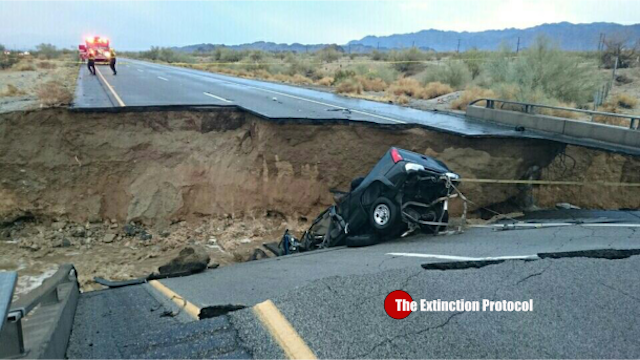
A second day of showers and thunderstorms in southern and central California was expected to bring heavy rain and set more rainfall records in what is usually a dry month. Rain began to fall Sunday afternoon in parts of Los Angeles County's mountains, the valley north and inland urban areas to the east. Later in the day, the city got a repeat of scattered showers and occasional downpours from Saturday as remnants of Tropical Storm Dolores off Baja California bring warm, muggy conditions northward. "We have a chance of some more heavy rain in L.A. County this evening, thunderstorms, lightning, possibly some localized street flooding," said National Weather Service meteorologist Joe Sirard. Rainfall Saturday broke records in at least 11 locations, including five places that had the most rain ever recorded on any day in July, Sirard said.
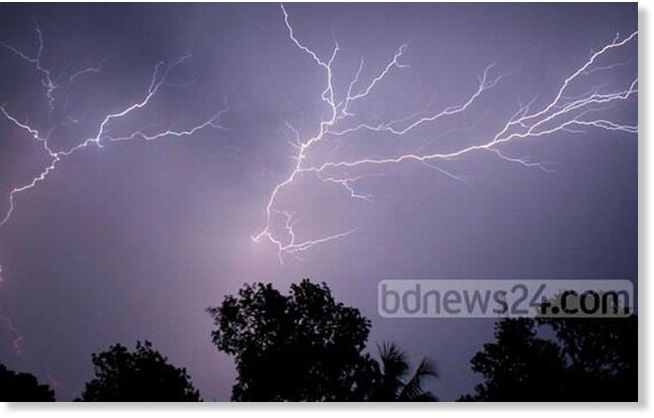
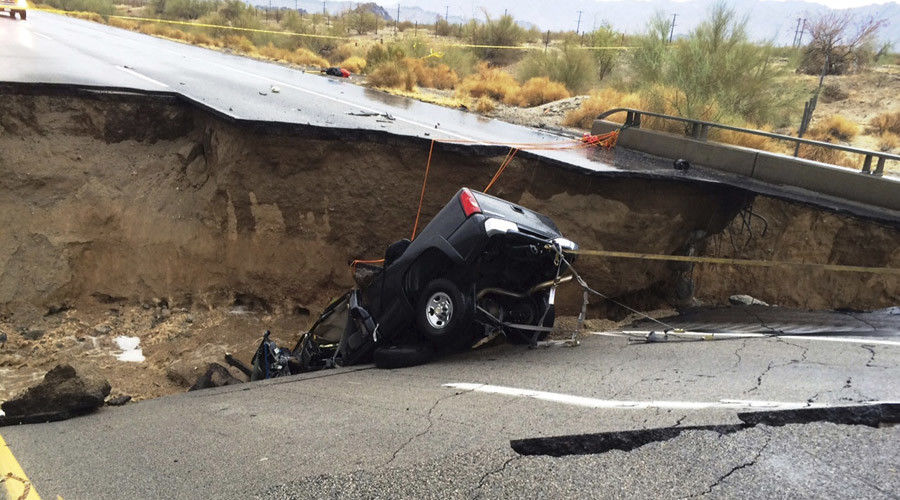
July is typically the driest month of the year in Southern California. Because of that, the 0.36 inches of rain in downtown Los Angeles Saturday exceeded the 0.24 inch recorded July 14, 1886, which had been the wettest July day in nearly 130 years, Sirard said. "It looks like we're probably going to get more rain downtown this evening," Sirard said. "It looks like there's a good chance the monthly record is going to go up. Really, this is super historic." The record is especially significant, he said, because downtown Los Angeles has the longest recording climate station, dating to July 1, 1877. The storm brought flash floods and power outages and turned Los Angeles County's typically packed coast into empty stretches of sand when the threat of lightning forced authorities to close 70 miles of beaches. The popular Santa Monica Pier and its nearby beaches were shuttered.
Last summer, a lightning strike killed a man at Venice Beach and injured about a dozen people. Los Angeles County's beaches remained open Sunday, despite reports of thunderstorms in the mountains and western San Diego coast during the afternoon. AJ Lester of the Los Angeles County Fire Department's Lifeguard Division said he has been in touch with weather officials and was tracking rain reports. Signs warned beachgoers to avoid storm drain flows into the ocean because of Saturday's sometimes heavy rain.











Comment: Its not often that we get accurate information from Fox News: