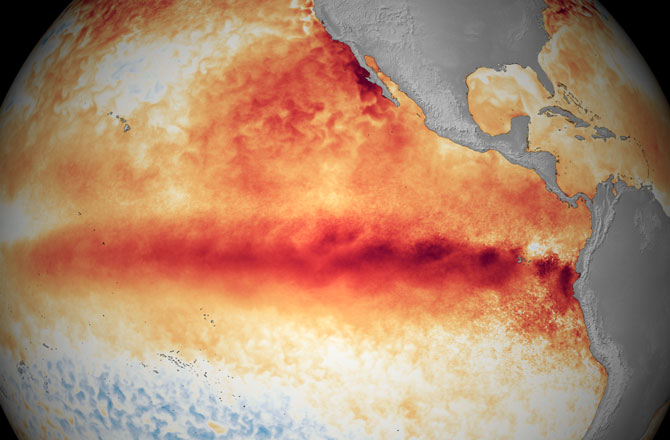
© NOAA
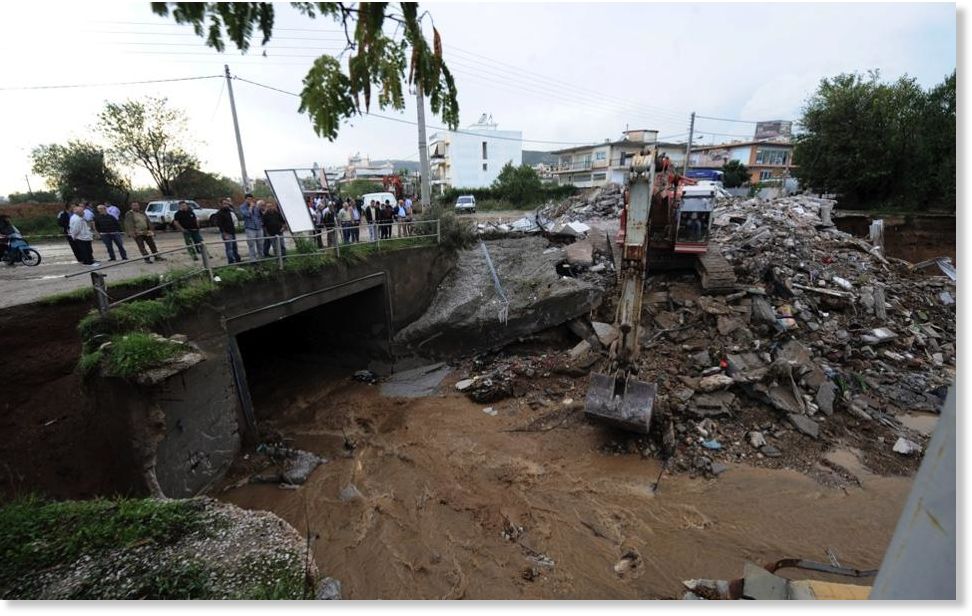
When an unusually powerful El Niño struck in 1997, civil conflicts erupted across the tropics, from Sudan to Peru -- as floods, droughts and fires devastated crops, fisheries and livelihoods.
It wasn't an isolated case, suggests
growing evidence that links El Niño's extreme weather with a spike in violent conflicts in tropical regions. As one of the strongest El Niño events in recorded history gains steam this fall, some experts are warning of the potential for more unrest to come - and the urgent need to take preventive action.
"
Half the world's population is exposed to a higher risk of violence this year," says Solomon Hsiang, professor of public policy at Berkeley. "Now that we know what to expect, we shouldn't necessarily sit back and watch sparks fly. There are a lot of things we can do."
Comment: The
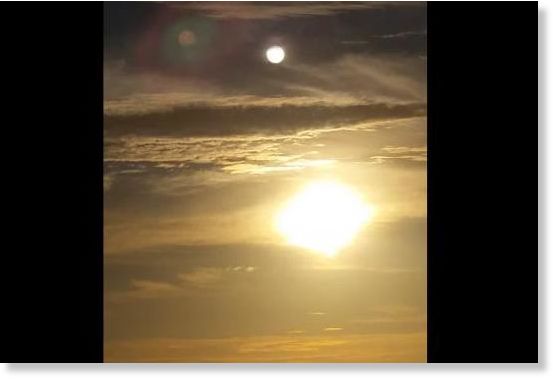
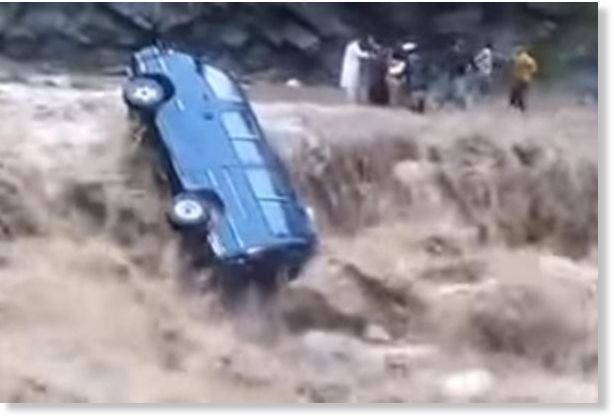
SOTT Earth Changes Summaries that have been tracking the weather have already shown the planet to be in a state of extreme turmoil, and now things are expected to get worse? How long before the cumulative effect of localized disasters reaches critical mass and causes the global supply chain to be unable to function, leaving most people of the world without access to basic necessities?










Comment: The SOTT Earth Changes Summaries that have been tracking the weather have already shown the planet to be in a state of extreme turmoil, and now things are expected to get worse? How long before the cumulative effect of localized disasters reaches critical mass and causes the global supply chain to be unable to function, leaving most people of the world without access to basic necessities?