OF THE
TIMES

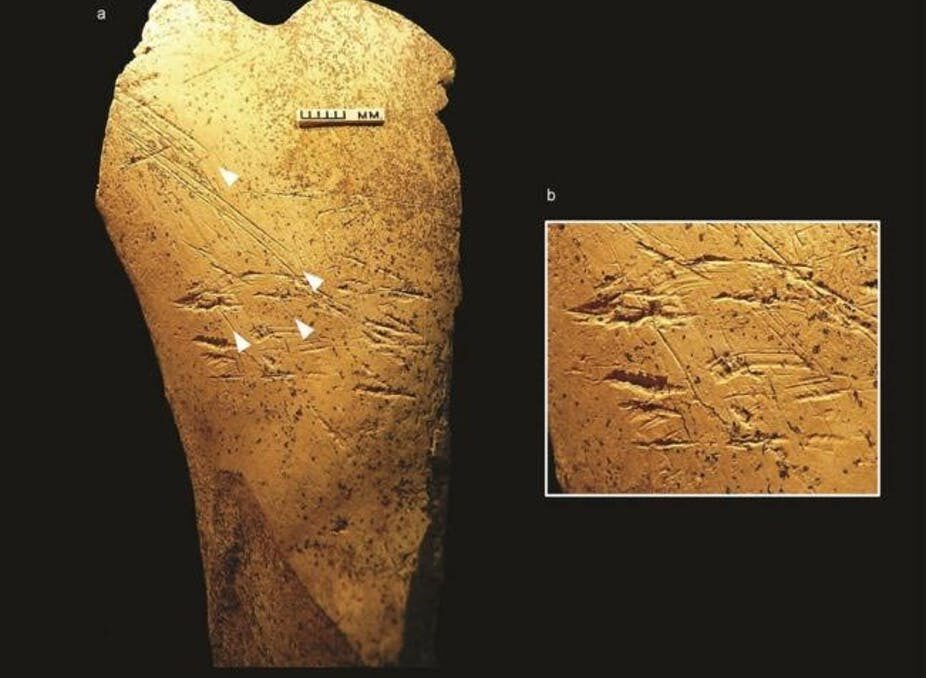
Europe's earliest bone tools found in Britain By Paul Rincon Science editor, BBC News website Image copyright UCL Institute of Archaeology Image caption One of the oldest organic tools in the world. A bone hammer used to make the fine flint bifaces from Boxgrove. The bone shows scraping marks used to prepare the bone as well as pitting left behind from its use in making flint toolsSee also:
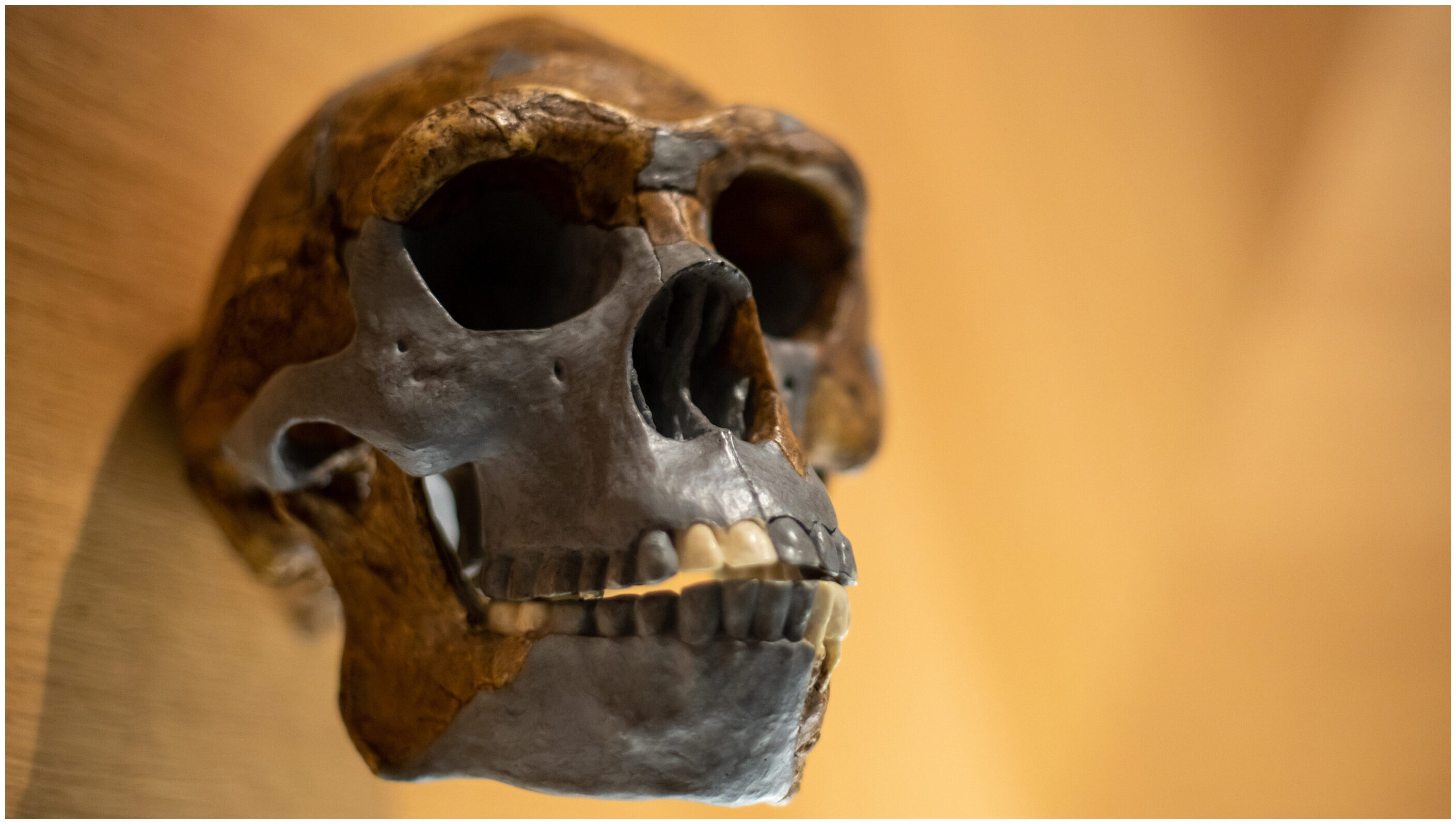
They were made by the species Homo heidelbergensis, a possible ancestor for modern humans and Neanderthals.
Researchers found a shin bone belonging to one of them - it's the oldest human bone known from Britain.
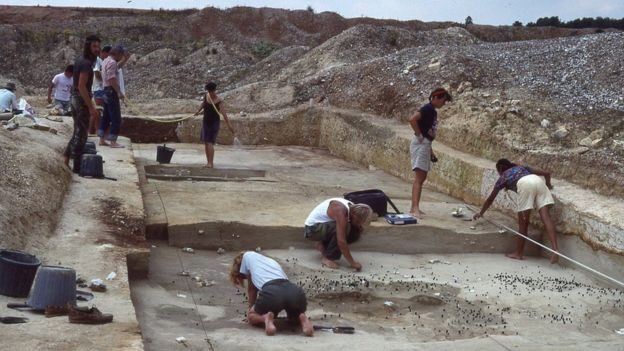
The researchers were able to reconstruct the precise type of stone tool that had been made from the chippings left at the site.
However, the humans must have taken the tools with them - as they had not been recovered.
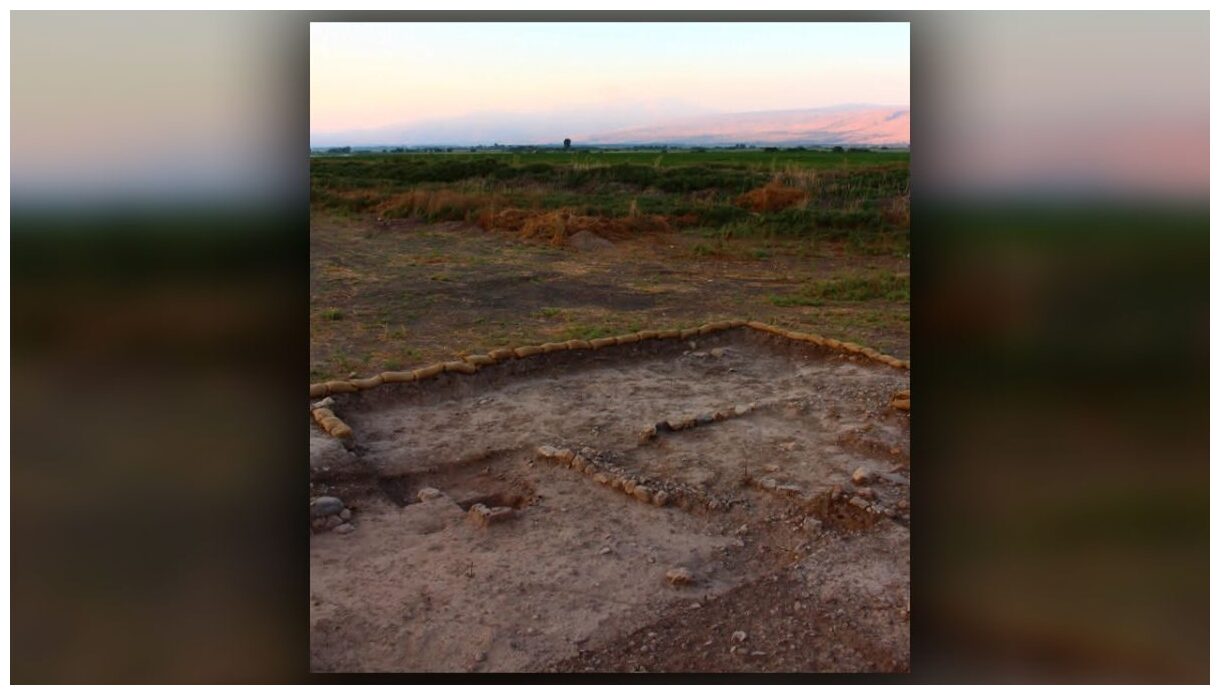
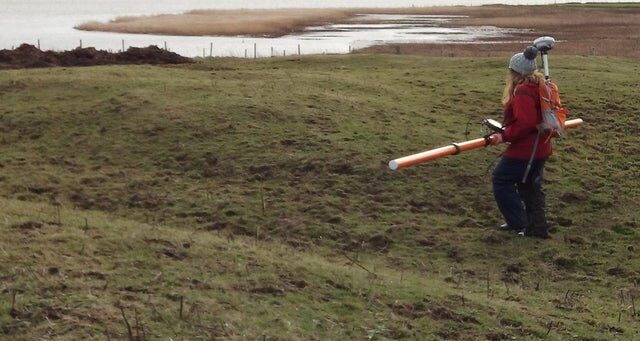
At the inter-tidal marshland, which was on what would have been Britain's southern coastline, there was a nearby cliff that was starting to degrade, producing good rocks for knapping - the process of creating stone tools. Silt from the sea had also built up here, forming an area of grassland.
"Grassland means herbivores and herbivores mean food," explained Dr Pope.
Dr Pope added that it was still unclear how the horse ended up in this landscape.
"Horses are highly sociable animals and it's reasonable to assume it was part of a herd, either attracted to the foreshore for fresh water, or for seaweed or salt licks. For whatever reason, this horse - isolated from the herd - ends up dying there," Dr Pope told BBC News.
"Possibly it was hunted - though we have no proof of that - and it's sat right next to an intertidal creek. The tide was quite low so it's possible for the humans to get around it.
Simon Parfitt said: "These are some of the earliest non-stone tools found in the archaeological record of human evolution. They would have been essential for manufacturing the finely made flint knives found in the wider Boxgrove landscape."
She explained that "it provides further evidence that early human populations at Boxgrove were cognitively, social and culturally sophisticated".
This might explain how it was so completely torn apart: the Boxgrove humans even smashed up the bones to get at the marrow and liquid grease.


"I was thrown on the ground and noticed only the stalks of my flowers were left. Everything was still and quiet, and when I got up, there were people naked, not saying anything. Some of them had no skin or hair. I was certain I was dead."Nine years later, I returned to look for him and he was dead from leukemia.
Comment: