Secret HistoryS


Target

America's 'Days of Rage': A look into the extensive left-wing bombings & domestic terrorism of the 1970s

The Weathermen
© David Fenton—Getty ImagesLeaders of the radical American student group the Weathermen, (left to right) Jim Mellen, Peter Clapp, John Jacobs, Bill Ayers, and Terry Robbins, march in 1969 at the van of a group of demonstrators during the 'Days of Rage' actions organized by the Weathermen to protest the trial of the Chicago Seven and 'to bring the war home.'
As the summer of 2020 dawned, left-wing radical groups began rioting and taking over parts of America's cities. While this specific form of left-wing violence is new, left-wing violence itself is far from new in the United States. Indeed, one of the most hidden and concealed parts of recent American history is the extensive left-wing violence that began in the late 1960s and continued into the 1980s.

At first, one might think that these were isolated incidents of small-scale "protest" or even minor violence. However, upon even brief examination, we find out that the outpouring of leftist violence over this time period was anything but minor. The most likely explanation for why you have never heard of this until now is that the events of these years have been consciously buried by those who would prefer you not know about them.

As the left once again ratchets up both its rhetoric and its physical violence, it's time to re-explore this period of American history. What started as a non-violent student movement quickly escalated into a campaign of terrorism against the American people. And while the similarities may not be terribly striking yet, astute readers of this article will quickly see the world in which we live more and more closely resembling the Days of Rage.

Info

Figurines found at ancient dig site may depict face of God, says Israeli archeologist

Hebrew God
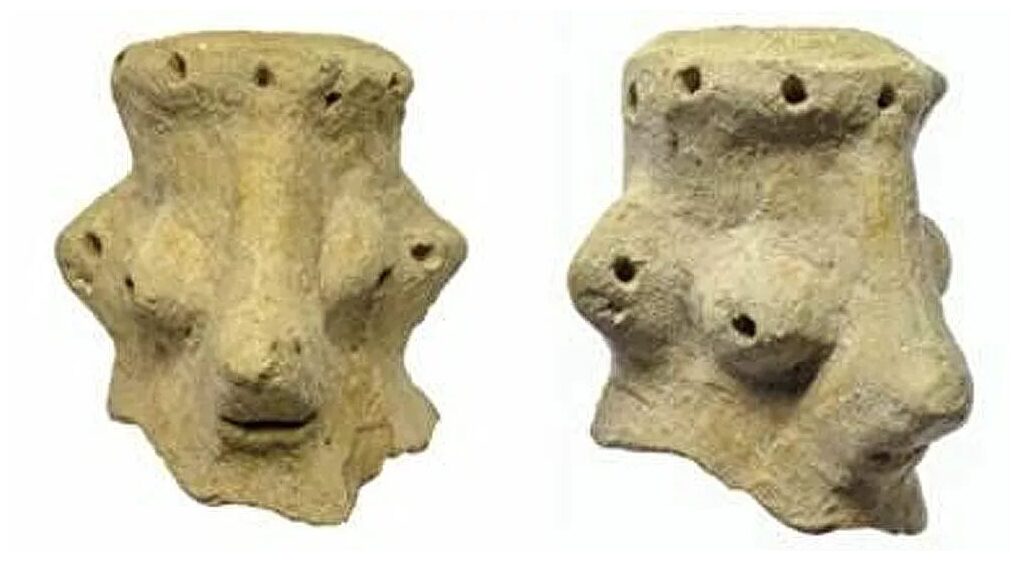
© CLARA AMIT, ISRAEL ANTIQUITIES AUTHORITYFigurines allegedly depicting the face of the Hebrew God.
The professor studying the figures believes they may have been used at pilgrimage centers to form a kind of metaphysical connection between God and Man, "a contact between earth and heaven, the core of the religious experience."

Dr. Yosef Garfinkel, a veteran archeologist from Hebrew University in Jerusalem, has proposed a fascinating theory which suggests that a series of three small clay figurines recently discovered at the archeological sites of Khirbet Qeiyafa and Moza, and two similar antiquities previously put on display at the Israel Museum, may in fact be depictions of Yahweh, the God of the Israelites written about in the Hebrew Bible.

In an article in the Biblical Archeology Review published on Friday, Dr. Garfinkel specified that the figures, believed to have been created between the tenth and ninth centuries BCE, a thousand years before the birth of Christ, may have served as representations of God in religious ceremonies.
"During our excavations at Khirbet Qeiyafa, only one figure was found in the early tenth-century BCE fortified city...Made of clay, the figurine's surviving head measures about 2 inches in height....With a flat top, the head has protruding eyes, ears, and a nose," the academic wrote.
Three of the five figures are said to represent a rider on a horse, with two horse figurines found near the mysterious heads at the Moza site. Garfinkel pointed out that the concept of God riding on horseback is mentioned repeatedly in the Biblical scriptures of Deuteronomy, Kings, Psalms, and Isaiah, and in the Ugaritic texts discovered in Syria and written between the 13th and 12th centuries BCE. "The Canaanite god Baal is described as rkb 'rpt, 'rider of the clouds', 16 times in various Ugaritic texts," the scholar pointed out.

Solar Flares

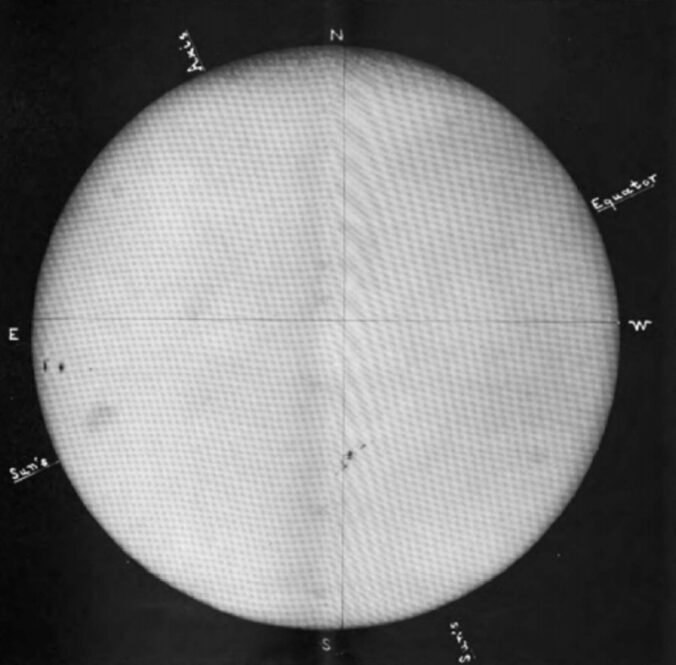
The Solar Minimum superstorm of 1903

A photo of the sun on Oct. 31, 1903, from the Royal Observatory in Greenwich
Above: A photo of the sun on Oct. 31, 1903, from the Royal Observatory in Greenwich. [ref]
Don't let Solar Minimum fool you. The sun can throw a major tantrum even during the quiet phase of the 11-year solar cycle. That's the conclusion of a new study published in the July 1st edition of the Astrophysical Journal Letters.

"In late October 1903, one of the strongest solar storms in modern history hit Earth," say the lead authors of the study, Hisashi Hayakawa (Osaka University, Japan) and Paulo Ribeiro (Coimbra University, Portugal). "The timing of the storm interestingly parallels where we are now-near Solar Minimum just after a weak solar cycle."

The 1903 event wasn't always recognized as a great storm. Hayakawa and colleagues took an interest in it because of what happened when the storm hit. In magnetic observatories around the world, pens scrabbling across paper chart recorders literally flew offscale, overwhelmed by the disturbance. That's the kind of thing superstorms do.

So, the researchers began to scour historical records for clues, and they found four magnetic observatories in Portugal, India, Mexico and China where the readings were whole. Using those data they calculated the size of the storm.

Comment: See also:


Colosseum

Pompeii's recent finds reveal new clues to city's destruction

pompeii
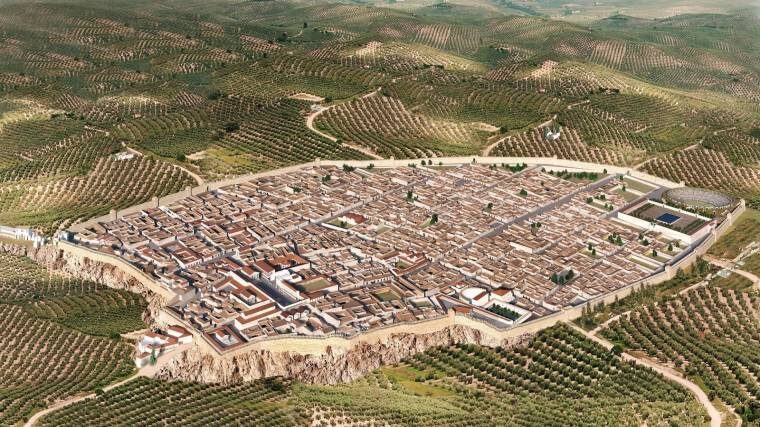
© ESTUDI LLIMÓSThe excavation of Region V, wedged between Via del Vesuvio and Via di Nola and covering an area of roughly half an acre, led to the discovery of an upscale housing district with extraordinary frescoes and artifacts. The west side of Region V, from Via del Vesuvio to Alley of the Balconies, can now be seen by the public. Future excavations will focus on Region VIII, a determination made by a pressing need for safety and conservation work.
Since its discovery several centuries ago, few archaeological sites have fascinated the world as has the ancient Roman city of Pompeii. After the first major excavations in more than 50 years, Pompeii is revealing a surprising abundance of buried treasures. The new finds are coming from intensive work in a small sector known as Region V that has nevertheless yielded giant insights into the final days of the doomed city.

Along with the complete excavation of two houses — the House of the Garden and the House of Orion — the dig has yielded frescoes, murals, and mosaics of mythological figures in gorgeous colours, skeletons with stories still to be unravelled, coins, amulets, and show horses in the stable of a wealthy landowner.

The new finds are also sparking debate about Pompeii's tragic story. Just before Vesuvius erupted in A.D. 79 and buried the city under a mantle of ash and rock, a local worker scrawled an inscription on a wall. Along with a joke (roughly translated as "he ate too much"), he wrote the date: October 17. The discovery of this inscription may confirm the view that the eruption took place in October, and not August, as some scholars maintain.

Comment: See also:


Archaeology

Mexico cave with evidence of early humans closed to visitors to prevent DNA contamination

Chiquihuite Cave early humans north america mexico
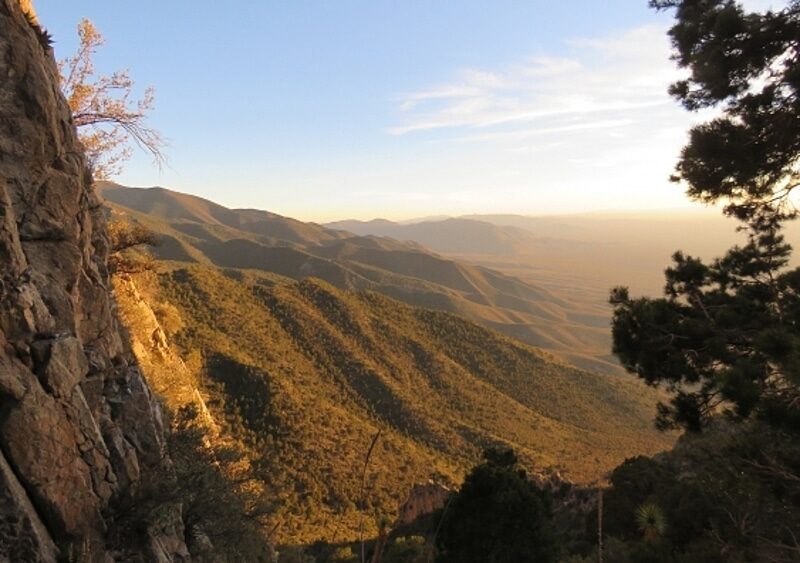
© Thomas L.C. GibsonLocated in the mountains, Chiquihuite Cave is unusually high compared to other archaeological sites in the Americas
Tourists or locals visiting a cave in north-central Mexico could endanger what is purported to be some of the earliest evidence of human presence in North America, archaeological authorities said Thursday.

Mexico's National Institute of Anthropology and History said the remote Chiquihuite cave in Zacatecas state has been declared off-limits to visitors.

Scientists "are looking for the DNA of ancient humans in the sediments (of the cave floor), thus human presence could contaminate strata that has been preserved intact for thousands of years," the institute said.

Sherlock

Five interlocked neolithic skeletons dating to the 6th Millenium BC discovered in the UAE

UAE skeletons
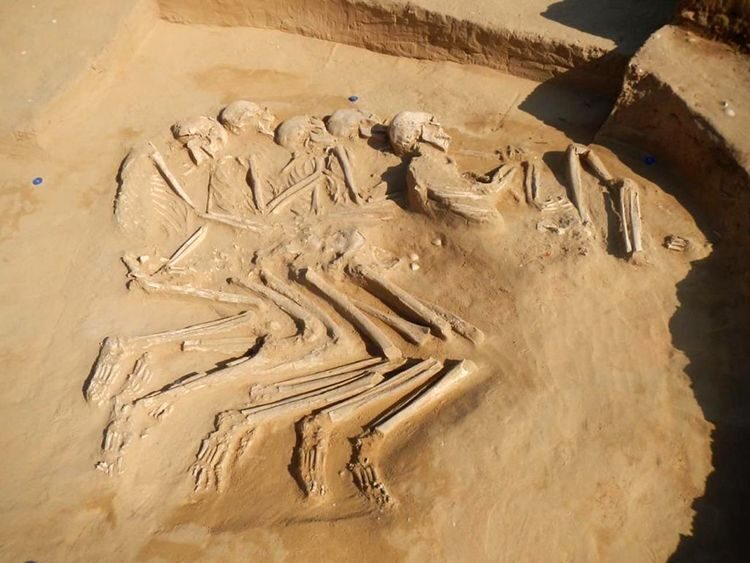
The five interlocked skeletons

Five interlocked skeletons were discovered by the Umm Al Quwain authorities in the neolithic cemetery at Al Shabika.

The skeletons date back to the 6th millennium BC (6000 BC to 5001 BC).

After analysing the bones, it turns out that the skeletons were those of young males buried during the same period.

Cross

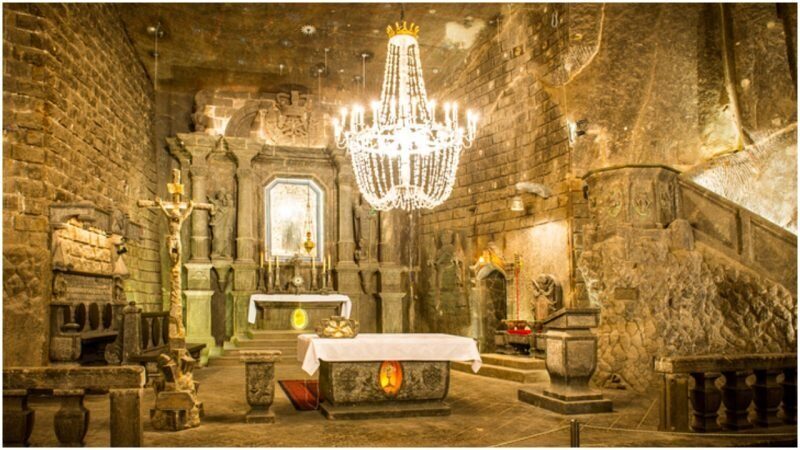
Underground Salt Cathedral of Poland: The magical underground city carved entirely out of Salt Rock

Poland’s Wieliczka Salt Mine
© Unknown
Few underground cities in the world are sculpted entirely out of rock salt. That's the magic of Poland's fantastic Wieliczka Salt Mine, near the city of Kraków.

A famed tourist attraction, a site of worship and even weddings, a gripping gallery of artistic reliefs, everything in Wieliczka is carved from salt blocks.

Mining operations stopped in 1996, but for many centuries in the past Wieliczka was the most significant cog in the local region's economy

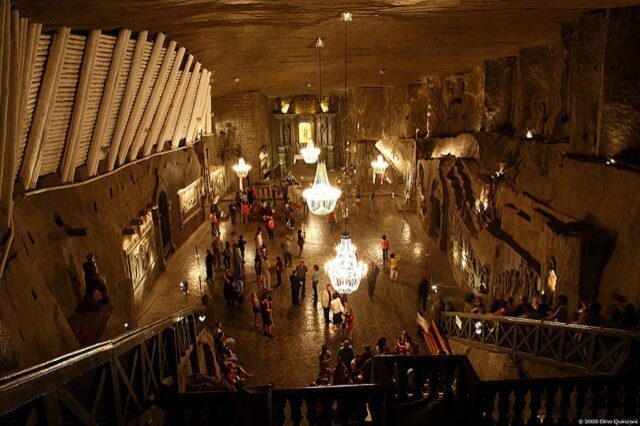
Wieliczka Salt Mine
Inside the mine. Photo by Dino Quinzani CC BY-SA 2.0

Comment: Some additional photos not included in the article:

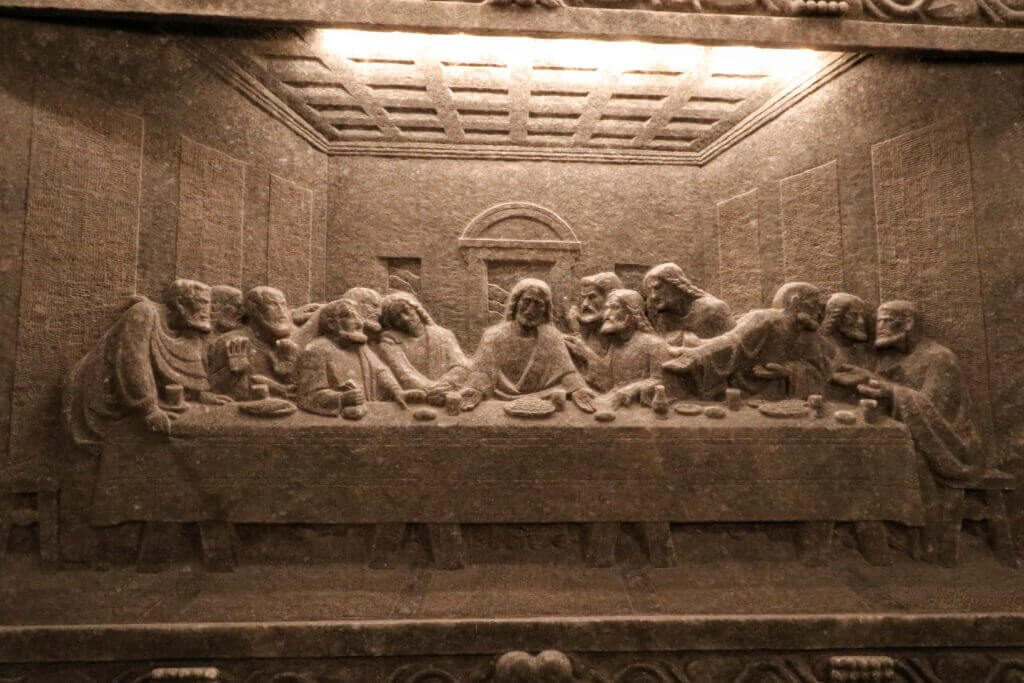
The Underground Salt Cathedral of Poland
© UnknownA carving of The Last Supper in St. Kinga’s Chapel.
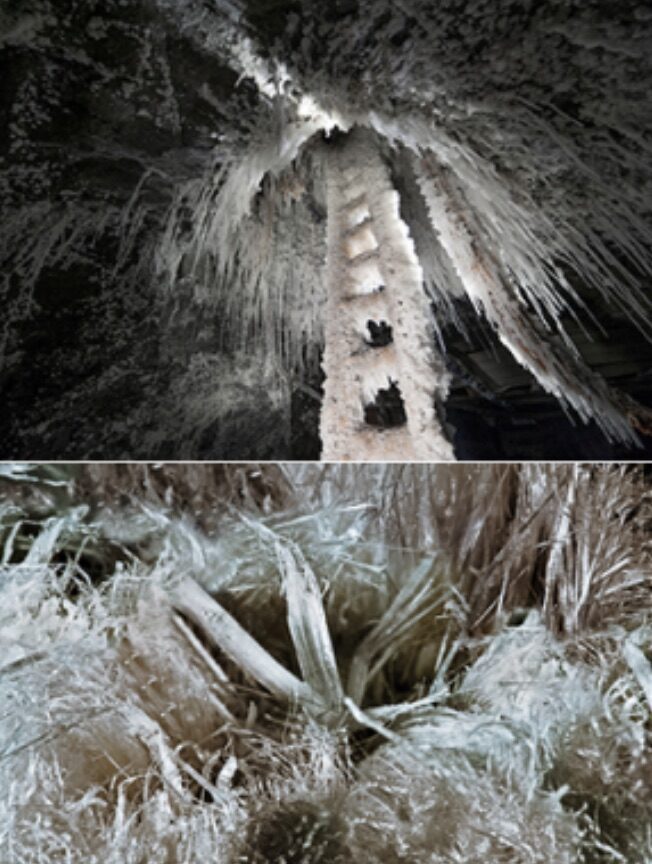
Wieliczka  Salt Mine
Speleothems at Wieliczka include forms that look like a ladder or fountain (top) or spiked fibers (bottom). These natural formations at can appear yellow, red or brown. Both: Rafal Stachurski
Further photos from Wieliczka Salt Mine can be found here.


SOTT Logo Radio

SOTT Focus: MindMatters: Interview with Gary Lachman: The Return of Holy Russia

gary lachman holy russia
The American clairvoyant Edgar Cayce once said, "Through Russia, comes the hope of the world." He spoke those words in the era of Stalin, and it would be another 60 years or so before the end of Communism. But starting in the tumultuous 90s, the great country straddling East and West not only has made a comeback on the world stage - it is seeing a spiritual revival of sorts. Forgotten thinkers are being resurrected in the minds of Russians, new movements are cropping up, and old ones reinvigorated.

While most Westerners may be familiar with Russia's turbulent period of totalitarianism, and the works of a few of its literary giants, there are whole areas of the nation's philosophical, scientific and spiritual inquiry that are largely unknown to many observers. Until now.

This week on MindMatters we are joined by Gary Lachman, author of the new book The Return of Holy Russia: Apocalyptic History, Mystical Awakening, and the Struggle for the Soul of the World - and delve into some of the history, movements and individuals that helped shape the religious, social and cultural DNA of its people. It may come as some surprise to know that many developments in science, as well as religious questions, were being seriously addressed and worked out in Russia shortly before the scourge of revolution squelched, and in may cases destroyed, the lives of the people who dared go where few had gone previously.

Join us as we see how this resurgence of Russian thought isn't an anomaly, but is, perhaps, a kind of synthesis, and integration of its hard-won lessons learned, and part of a long tradition we can all learn from.


Running Time: 01:27:57

Download: MP3 — 80.5 MB


Blue Planet

Exact match for Stonehenge's 20 tonne sarsen stones found 15 miles away

stonehenge
© Katy A WhitakerA large sarsen stone at West Woods, the probable source of most of the sarsens used to construct Stonehenge.
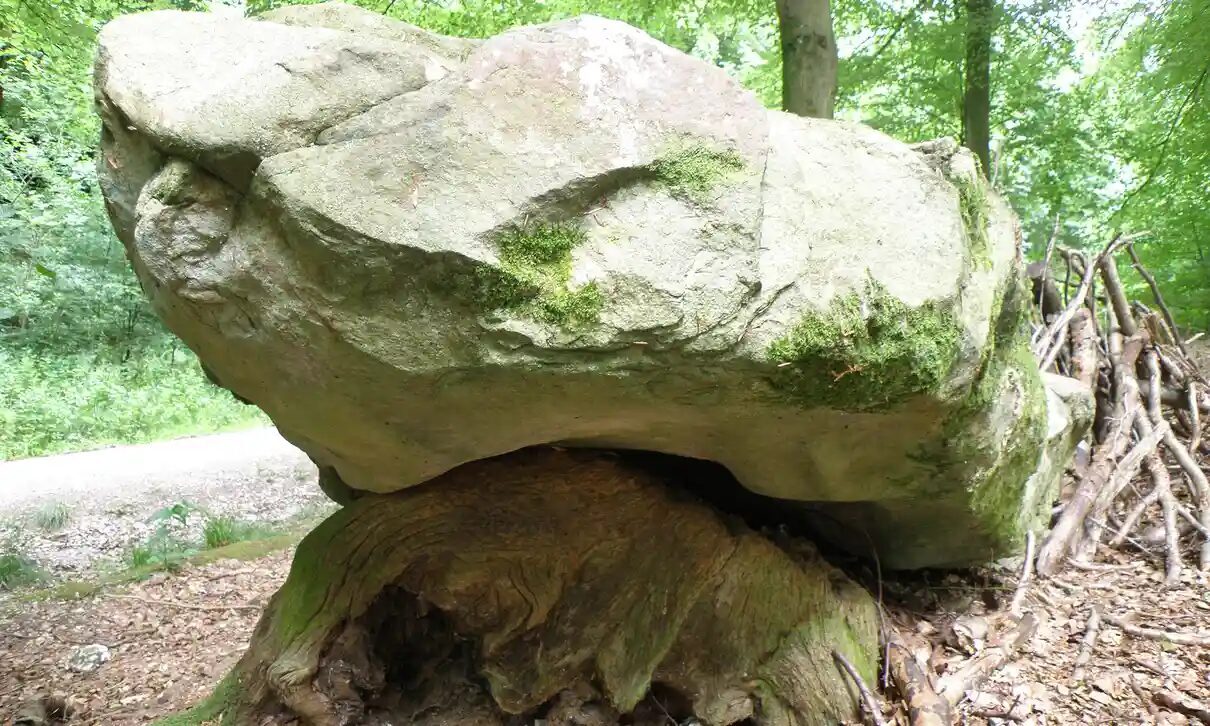
Today West Woods in Wiltshire is a popular spot for hikers, dog walkers and mountain bikers, famed for its bluebells in the springtime. Stick to the footpaths and it is easy to miss the hefty flat stones hidden in the undergrowth.

But groundbreaking scientific research published on Wednesday reveals that, 4,500 years ago, this spot - and in particular those hulking sandstone boulders - drew the ancient architects of Stonehenge.

The research, made possible after a piece of one of the stones taken away as a souvenir 60 years ago was recovered, concludes that 50 of the 52 sarsen stones at Stonehenge were probably sourced from West Woods, on the edge of modern-day Marlborough.

Comment: See also:


Arrow Up

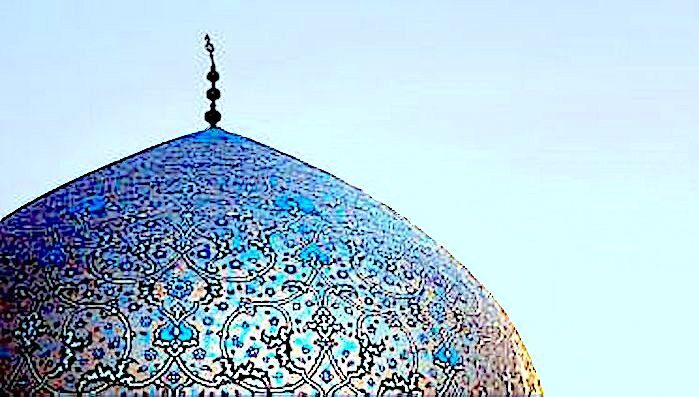
Iran's future will be prosperous: A 150-year fight for sovereignty from oil to nuclear energy

Dome in Iran
© BookMundi
This is Part 3 of the series "Follow the Trail of Blood and Oil"

From Arc of Crisis to Corridors of Development

Akbar Hashemi Rafsanjani became President of Iran on August 16th 1989 and served two terms (1989-1997). Rafsanjani, who is considered one of the Founding Fathers of the Islamic Republic, began the effort to rebuild the country's basic infrastructure, after the ravages of the Iran-Iraq War and launched a series of infrastructure projects not only domestically but in cooperation with neighbouring countries. Following the dissolution of the Soviet Union in 1991, Rafsanjani moved to establish diplomatic relations with the newly independent Central Asian Republics, forging economic cooperation agreements based on building transportation infrastructure.

The major breakthrough in establishing this network came in May 1996 (after a 4 year construction) with the opening of the Mashhad-Sarakhs-Tajan railway, which provided the missing link in a network connecting landlocked Central Asian Republics to world markets, through Iran's Persian Gulf ports.
Rafsanjani
© Fatemeh Bahrami/Anadolu AgencyFormer Iranian President Akbar Hashemi Rafsanjani

Comment: See also: Follow the Trail of Blood and Oil, parts 1 & 2: