© Siesfund Org
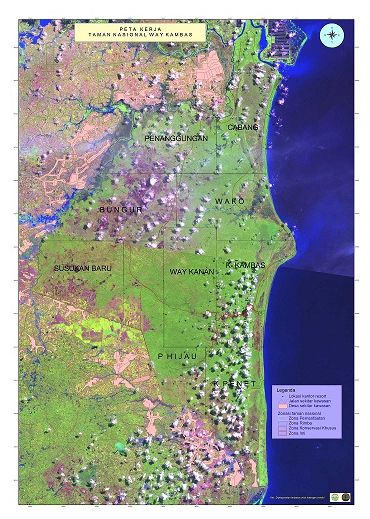
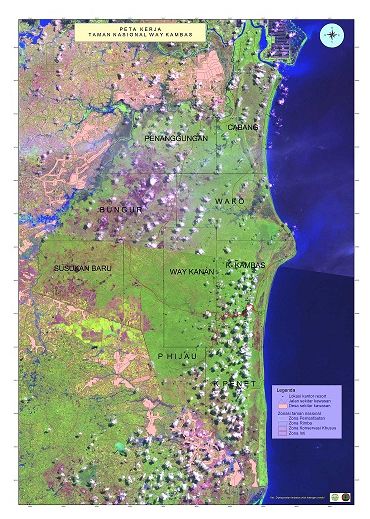
Rangers patrolling the Way Kambas National Park (TNWK) in Lampung claim to have sighted dozens of pygmies in a number of areas across the park.
According to them, the pygmies sport dreadlocks, measure no more than 50 centimeters tall and do not wear any clothing.
"A number of rangers claim the pygmies grow their dreadlocks down to their waist. The first sighting by the rangers was on March 17 at 6:40 p.m. local time," said TNWK spokesman Sukatmoko.
He added that several rangers patrolling the park claimed the pygmies were seen moving to the PT Nusantara Tropical Fruit (NTF) plantation. They were seen running from the TNWK forest to the plantation.
"Apparently, many fruit trees, such as banana, guava and dragon fruit, are grown in the NTF plantation area. If the pygmies like fruit, they might have entered the plantation for food," said Sukatmoko.
Forest rangers have secured a number of points at the border between TNWK and PT NTF, concerned that the safety of the pygmies is at stake due to the presence of many workers at the plantation.
"We will try to anticipate the situation with the help of local residents and PT NTF employees. If they come across the pygmies, they should not harm them," he said.
Sukatmoko said that based on information conveyed by forest rangers, the group of pygmies consisted of around 15 individuals. When the rangers spotted them, the pygmies, believed to be an isolated group of people, were walking through a swamp.









Comment: A 2009 analysis of water and sewer utilities by Food and Water Watch found that private companies charge up to 80 percent more for water and 100 percent more for sewer services. Various privatization abuser failures occurred in California, Georgia, Illinois, Indiana, New Jersey, and Rhode Island. This is because water corporations are primarily accountable to their stockholders, not to the people they serve, they will avoid serving low-income communities where bill collection might be an issue and because of the risk to profits, there is less incentive to maintain infrastructure.
Flow: How privatization is accelerating the world's water crisis
Water industry, World Bank pilot new scheme to drive public water into private hands
5 ways privatization is poisoning America