
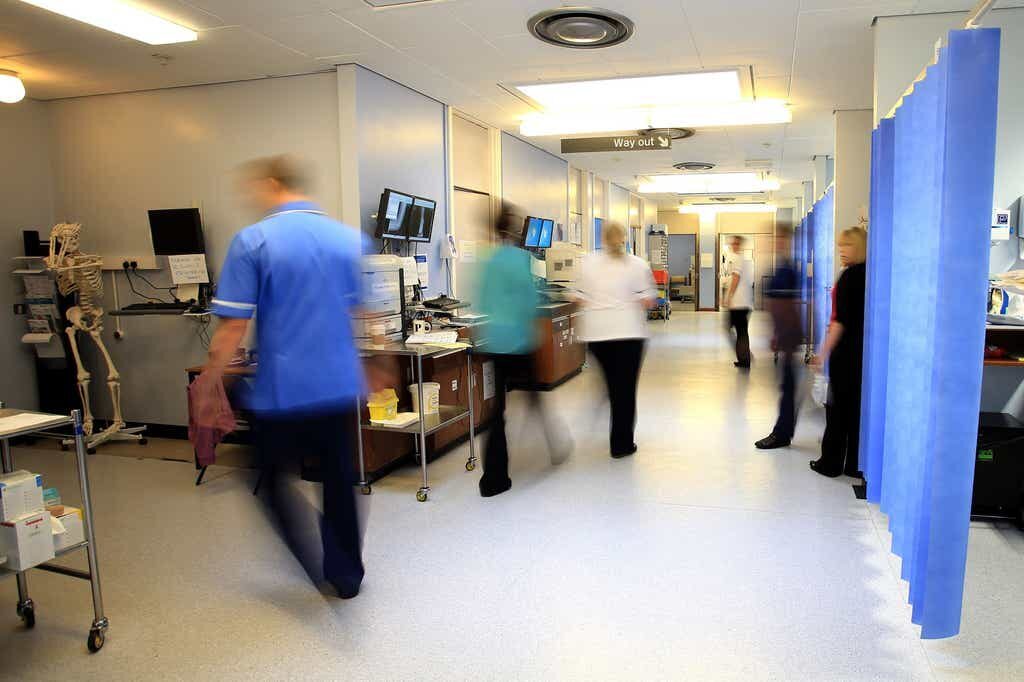
© Peter Byrne/PAThe NHS waiting list figure of 7.6 million is the highest since records began in 2007
The figure is the highest since records began in 2007.
A total of 383,083 people had been waiting more than 52 weeks to start routine hospital treatment at the end of June, down slightly from 385,022 at the end of May.
Elsewhere, some 7,177 patients are estimated to have been waiting more than 18 months, down from 11,446 at the end of May.
The Government and NHS England vowed to eliminate all waits of more than 18 months by April 2023 - excluding exceptionally complex cases or patients who choose to wait longer - with the aim of stopping waits of more than a year by March 2025.




















Comment: The UK is exhibiting all the signs of collapse: