
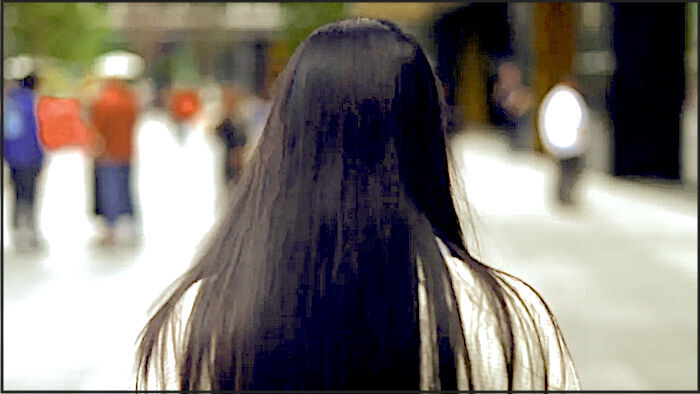
© BBCFacial recognition tech not always accurate
"Within less than a minute, I'm approached by a store worker who comes up to me and says, 'You're a thief, you need to leave the store'."
Sara - who wants to remain anonymous - was wrongly accused after being flagged by a facial-recognition system called Facewatch. She says after her bag was searched she was led out of the shop, and told she was banned from all stores using the technology.
"I was just crying and crying the entire journey home... I thought, 'Oh, will my life be the same? I'm going to be looked at as a shoplifter when I've never stolen'."
Facewatch later wrote to Sara and acknowledged it had made an error. Facewatch is used in numerous stores in the UK - including Budgens, Sports Direct and Costcutter - to identify shoplifters.

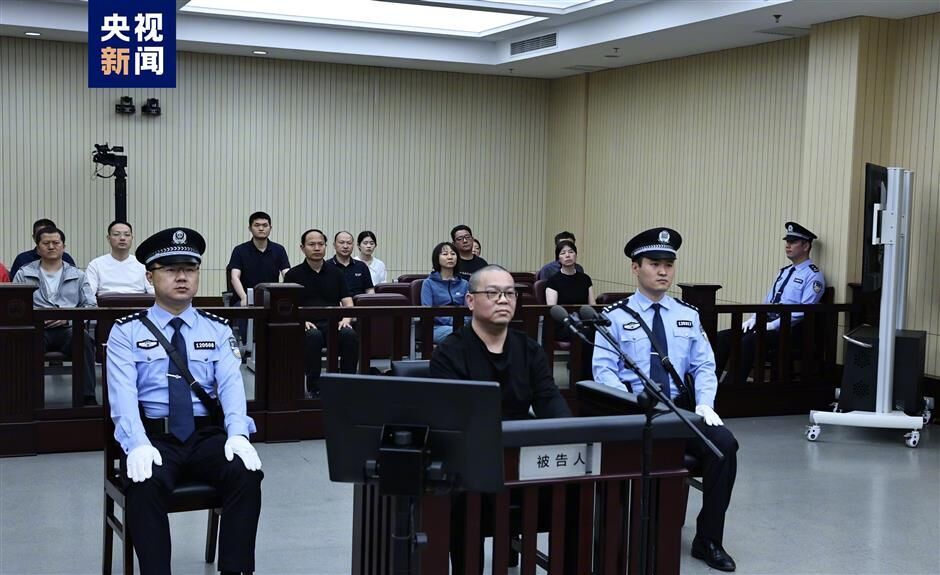












Comment: In our turbulent times, this kind of corruption can wreak havoc on a country's economy and seriously destabilise governance, as attested to by the dire state of West.
Notably, the West has complained of the difficulty it's intelligence agencies are having in their attempts at infiltrating China: British intel agencies' lack of China 'language, historical, cultural' knowledge impeding operations - Former MI6 boss