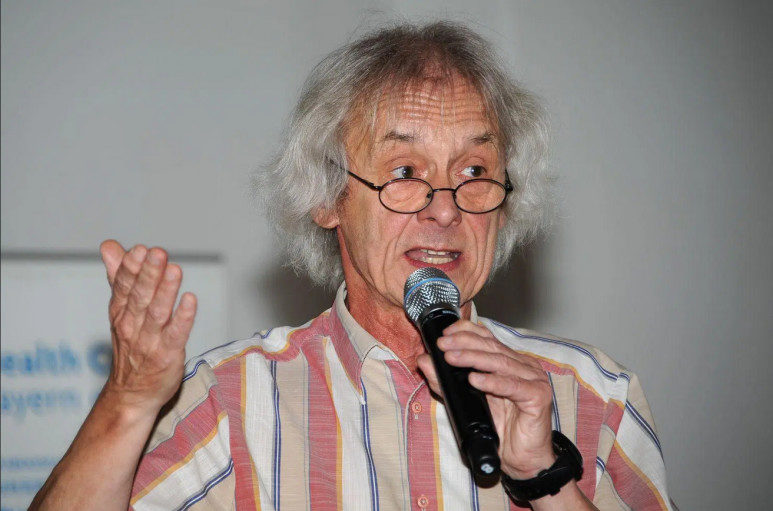
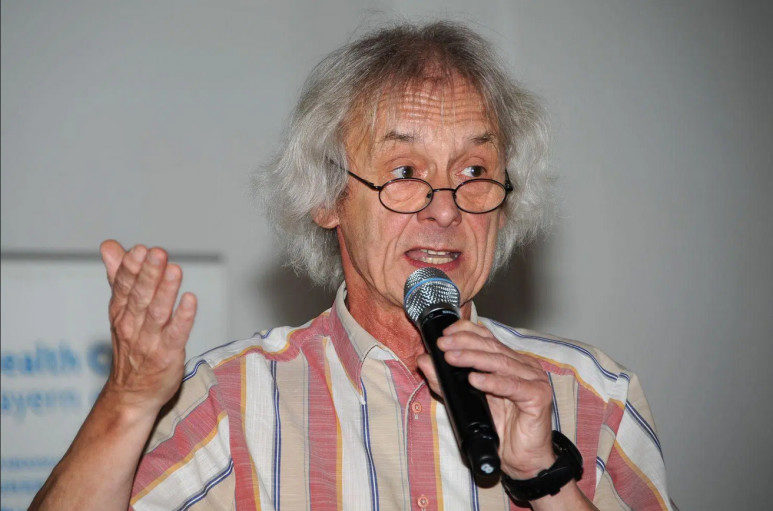
Gerd Bosbach, is a mathematician and an Emeritus Professor of Statistics whose main field of interest and research is statistics on demographics and health care. He is renowned enough in his country that he has a giant German Wikipedia page
The media reports daily the new «number of infected», while everyone involved actually knows that they are far too low.
The next part of the sentence then deals with "death rates", while everyone involved knows that they are far too high.
There is a confusion of terms, and politicians have to make decisions based on highly uncertain assumptions, with serious effects for society. Jens Berger spoke with
professor in statistics Gerd Bosbach about definitions, numbers and the lessons that we have not drawn from past crises and hopefully will draw from this crisis in the future.
Jens Berger: Last Friday, the German Society for Epidemiology warned that in one hundred days we will have more than a million patients in Germany who will need intensive care. A horror scenario that was immediately picked up by many media, but was clearly put into proper perspective by the epidemiologists a few hours later. This forecast was made on the basis of assumptions that, let's say politely, are not really scientifically reliable. Can you explain to our readers how such reports come about?



















Comment: This is reminiscent of the cries from pro-vaxxers that anyone questioning the safety and/or efficacy of vaccines is "not a doctor". The idea that no one has the right to question the experts is inimicable to freedom as a whole. Experts are human, they make mistakes, have ulterior motives and succumb to peer pressure, just like the rest of us. Question everyone, regardless of who they are.
See also: