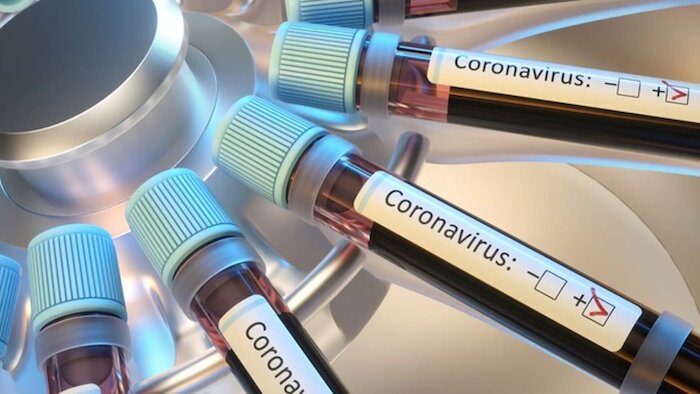
© KTSDESIGN/SCIENCE PHOTO LIBRARY/Getty Images
It's known as the "viral load." The most used test to determine if someone has COVID-19, known as a PCR test, is either positive or negative, that's it.
But the test does not identify the viral load — the greater the amount of virus, the more likely it is that the patient is contagious."In three sets of testing data that include cycle thresholds, compiled by officials in Massachusetts, New York and Nevada,
up to 90 percent of people testing positive carried barely any virus," The New York Times reported Sunday after conducting a review of data.
On Thursday, the United States recorded
45,604 new coronavirus cases, according to a database maintained by
The Times. If the rates of contagiousness in Massachusetts and New York were to apply nationwide, then
perhaps only 4,500 of those people may actually need to isolate and submit to contact tracing.Health experts told the paper the current PCR test is too sensitive and should be improved so that it will determine the viral load — which would then rule out those with insignificant amounts of the virus.












Comment: Apparently context doesn't matter anymore, only "feelings". See also: