
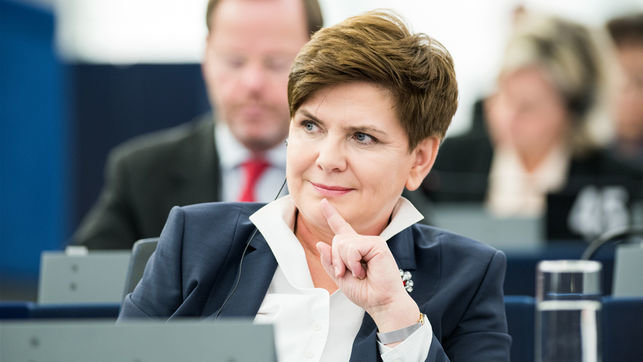
© Parlamento Europeo Polish PM Beata Szydlo.
Szydlo, in office since PiS won the 2015 parliamentary election, also said she was confident Trump would abide by NATO's commitment to bolstering its presence in eastern Europe in the face of Russia's renewed assertiveness in the region.
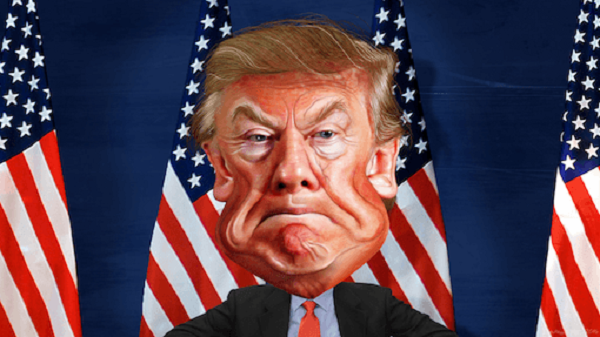
"Donald Trump ... reached the people in his campaign. He focused on their needs (and) positioned himself outside the political elite," Szydlo said in the interview, her first with a foreign news outlet since becoming prime minister.
"Something is changing in how politicians are being perceived and how people make their choices. People aren't picking politicians who are connected with the current political elites," the 53-year-old premier said.


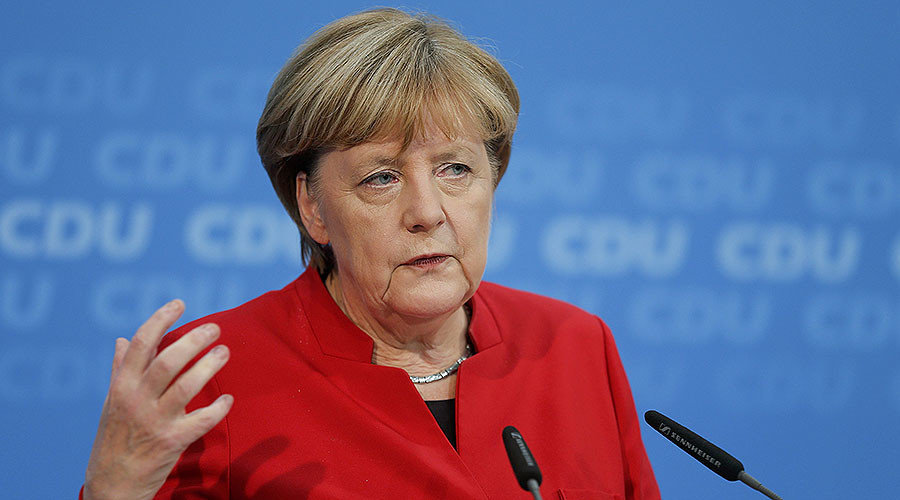




Comment: It's a phenomenon that has been developing for the past couple years. Now that the "most powerful nation", the U.S., has become part of the phenomenon, we can only expect the global trend to continue, if not skyrocket. The upcoming elections in Germany and France will be interesting to watch (Sarkozy recently lost the first primary, whereas Le Pen is leading in polls; Merkel announced her intention to run for a fourth term, despite her complete lack of popular support). In one sense, this is a promising development. On the other, changes of this sort usually just mean that - despite whatever positive effects - new pathologicals insinuate themselves into the new power structure, or get carried over from the old one.