Even before the new president of South Korea entered office, we wrote an article highlighting the problems that awaited the successor to Park Geun-hye's
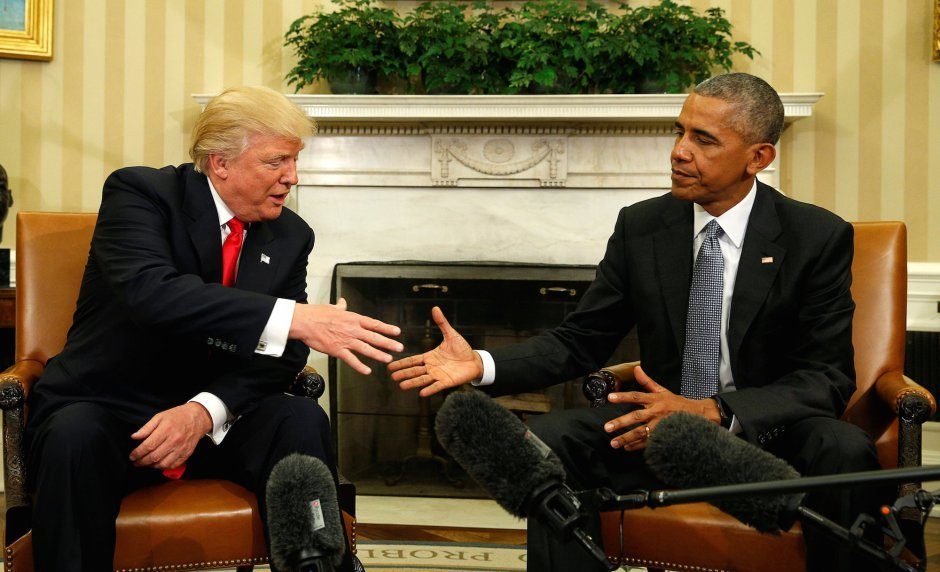
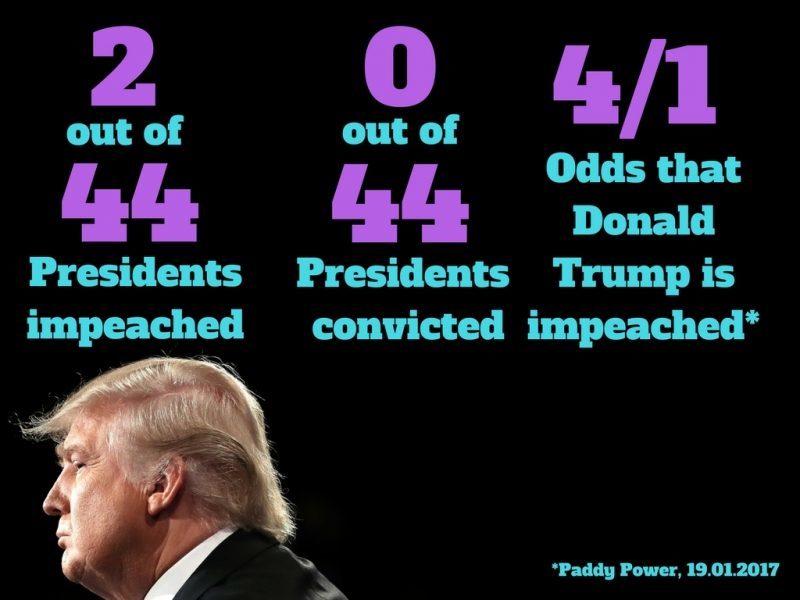
presidency. And at this point, the author would want to draw the readers' attention to the fact that in assessing the course of action that the current leader of the Republic of Korea would assume, we must divorce ourselves from pleasant illusions associated with the dual logic that if the past president was bad, it naturally follows that the present one will be good, and that he will definitely try to do things differently and better. The question of how this usually ends is best answered illustratively by the example of Donald Trump, and how the attitude of the public towards him dramatically shifted during his first hundred days in office.
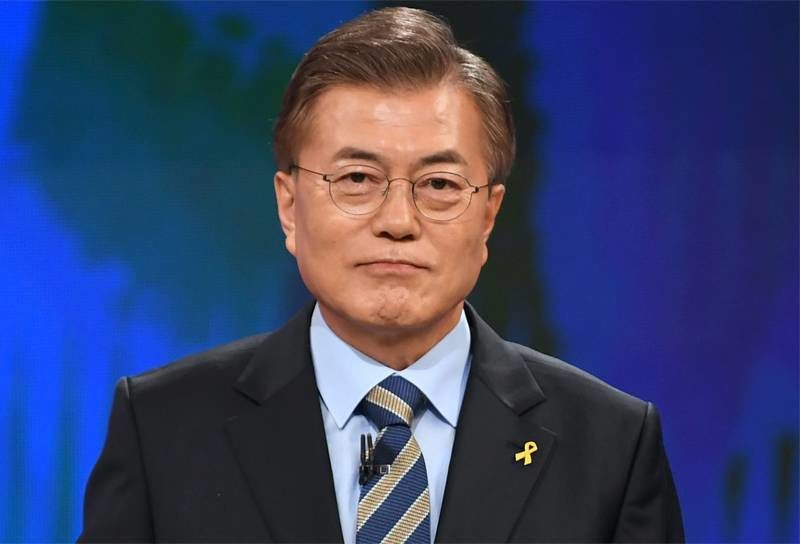
In all fair assessment, Moon Jae-in is
more than likely to take a different stance on many issues. However, this is not so much related to ideological differences existing within the state as to the factional struggles. Such a kind of logic and way of thinking requires the opposition to criticize any initiative of the current administration, and on having come to power, they are as a matter of principle always obliged to oppose its decisions.
Besides this, we must remember that
some sort of program and over-the-top statements are not identical to their immediate implementation, especially where it concerns South Korea. As a rule, it takes the president between twelve and eighteen months to carry out radical measures aimed at purging the officials in government remaining from the previous administration and placing supporters in key positions and reestablishing a vertical power structure. Here, we should recall that Park Geun-hye failed to succeed in this, and a significant part of her plans collapsed under the fire of criticism from both the left and the right.













Comment: UK Royal Air Force drone strike in Syria saves 2 prisoners from public execution by ISIS