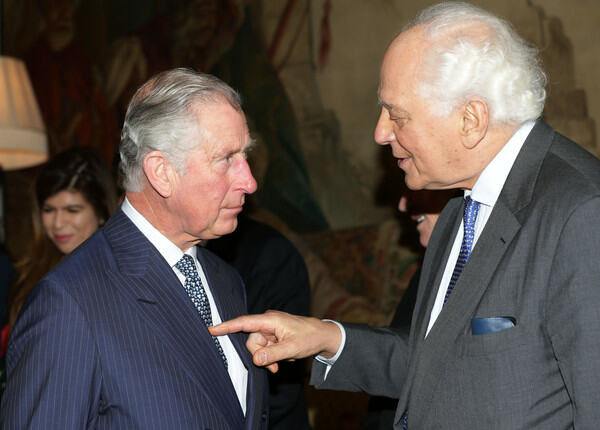
A picture speaks a thousand words
"It began about 1850 reached its peak about 1914, and ended about 1932. Typical forms of economic organization were the limited-liability corporation and the holding company. It was a period of financial or banker management rather than one of owner management as in the earlier period of industrial capitalism."
--Professor Carroll Quigley describing Financial Capitalism (p. 42)
The CityIn the two millennia since the Romans fortified the lowest crossing point of the River Thames, the City of London's wealth has meant neither the Crown, nor Parliament could
subordinate it. From an early stage, the City became the dominant power in foreign policy and government finance in Britain (nee England). The
Ulster plantation and the Royal charters for the Levant Company and the
East India Company were orchestrated by powerful City financiers. Traditionally, and to the ire of successive generations of British manufacturers, the City of London preferred international investments to investing in local industry.
The use of
debt as a weapon wasn't invented by City of London financiers, but they perfected the technique in the years preceding the Age of Financial Capitalism. At the time Europe was scrambling to halt Napoleon's advance and were forced to borrow to finance their extra expenditure, in desperation they turned to the City. From this point, the City's financiers had brought the rulers of Europe into debt servitude, under financial and banker management.
"The defeat of Napoleon in 1815 (the Bank of England, the City and the Rothschilds played a key role by financing the Emperor's enemies), the expansion of the Empire and the Industrial Revolution, allowed Britain to establish its position as international hegemon with supremacy in industry, shipping and finance... [The City] preferred the more profitable opportunities offered by financing trade and foreign wars, making loans to governments and generating speculative investment opportunities. Capitalist Industrial production like agriculture before it, depended largely on regional and local sources of finance ..." (Lambie, p. 341)
We can't talk about the City of London in this period without giving special mention to the Rothschild family. Between 1808 and 1859 they developed a capital fund and intelligence service that their rivals couldn't compete with. Over half of all sovereign bonds placed in London (the global financial center) were issued by the Rothschilds, with a face value of over £42 million (Ferguson 2009, p. 87). By 1852 their combined capital was £9.5 million. In 1899 it was £41 million, dwarfing Baring Brothers, the Banque de France and the leading German joint-stock banks (Ferguson 2009, p. 89).



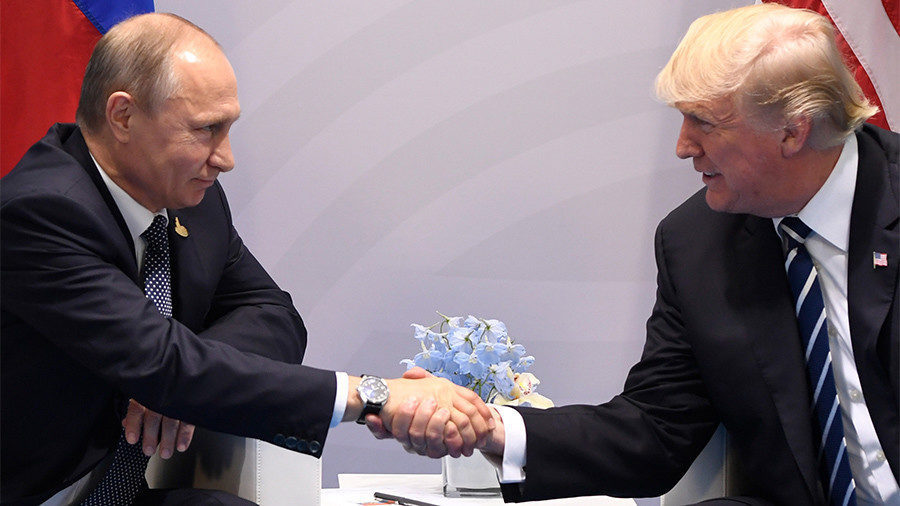

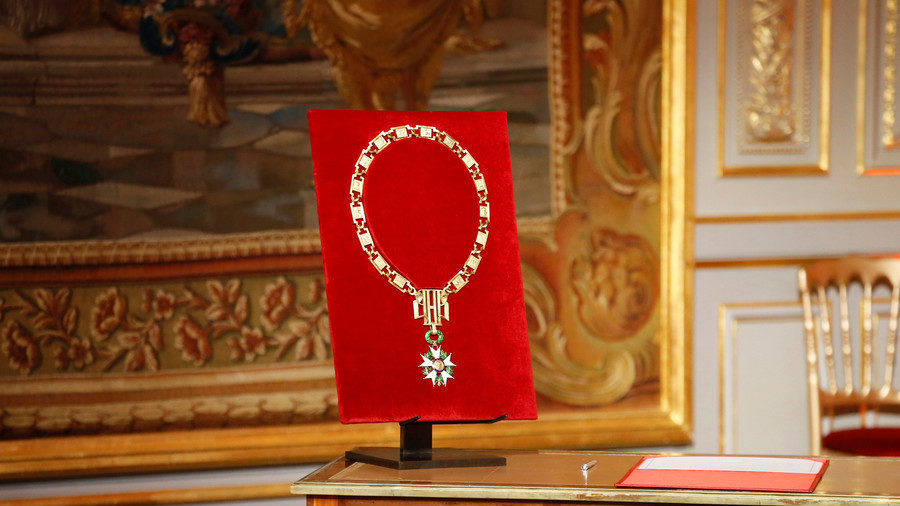


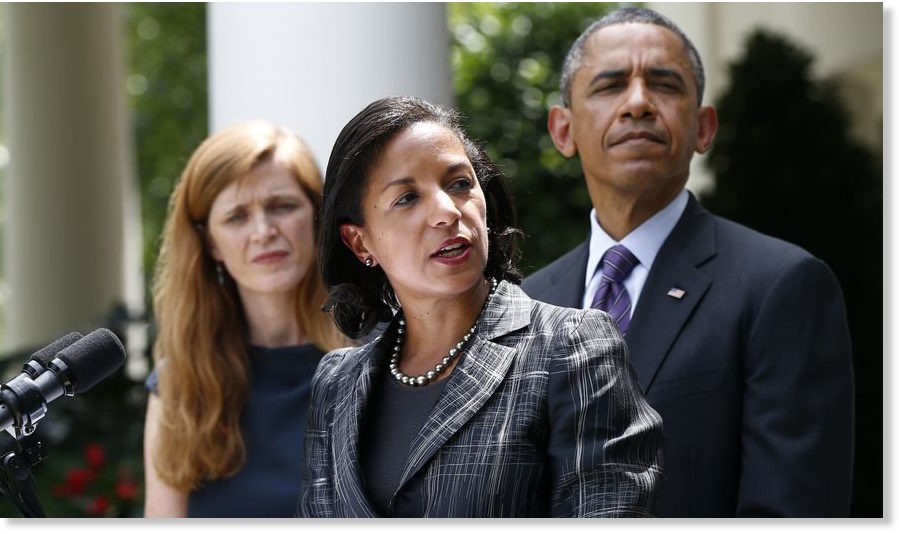










Comment: Hungary's Orban enjoys a majority of voters backing his plans, meanwhile in the UK, Teresa May, who claims to welcome refugees, is attempting to deport people who came to the country from commonwealth lands and have been here for decades, outraging the public. May and France's Macron, are arguing over who should take more refugees and migrants, yet they both attempt to worsen the problem through their illegal strikes on Syria. It's no wonder many EU countries are turning away from the fascist and hypocritical EU project:
- Austria to tighten restrictions in acceptance of refugees
- No "United States of Europe": Hungary's Orban vows to strengthen sovereignty and immigration policies
- Christian culture rising again in Hungary, Poland - EU can't handle it
- Hungary will veto EU sanctions against Poland calling it "shameful and scandalous"
- "Europe can go f*ck itself": Italy's right party leader sees rise in popularity
- George Soros: The hidden hand behind 'color revolutions'
Also check out SOTT radio's: The Truth Perspective: Weapons of Mass Migration: Interview with Michael Springmann on Europe's Migrant Crisis