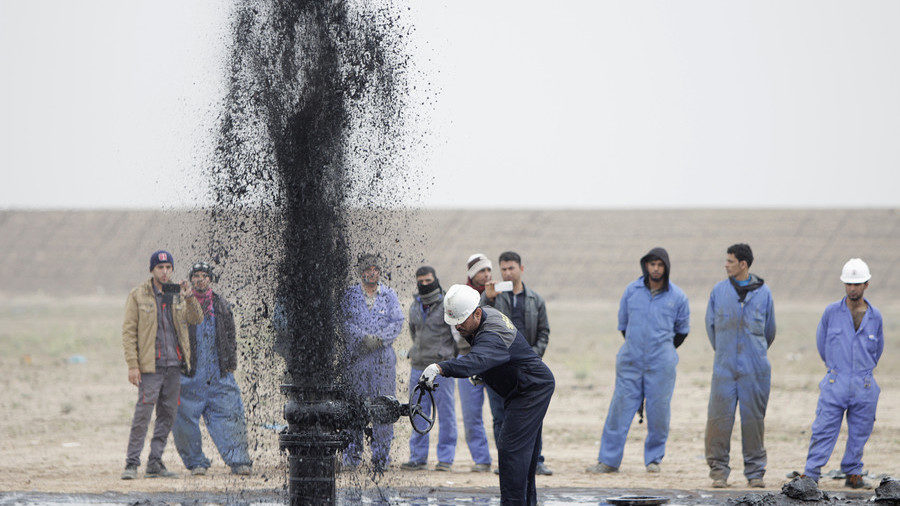
© Essam Al Sudani / Reuters
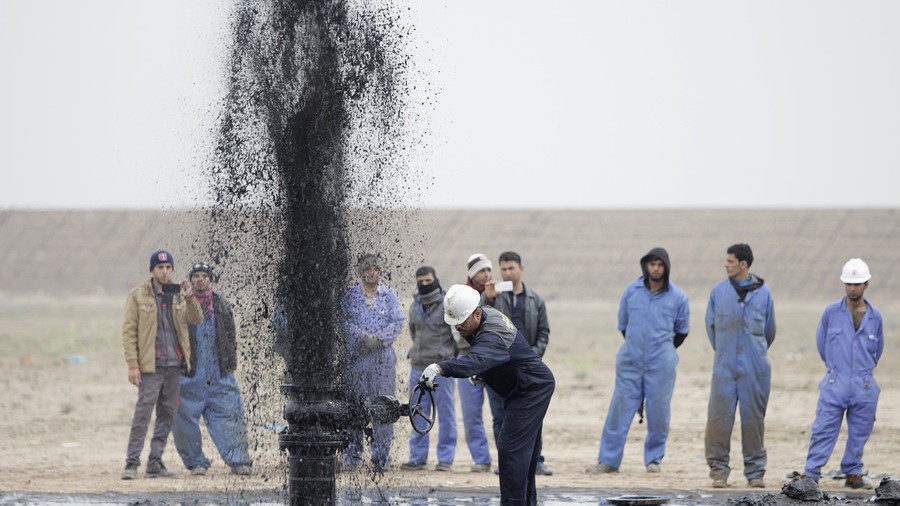
The Trump administration is going to extreme lengths to disrupt as much oil from Iran as possible, and the implications for the oil market could be severe.
When the Obama administration sought to isolate Iran, it built an international coalition, put in place tight sanctions, and tried to curtail Iran's oil exports. It worked, knocking around 1 million barrels per day offline. Still, the Obama administration granted leeway to an array of countries that depended on Iranian oil, including India, Japan and much of the EU, by granting them
exemptions from sanctions as long as they did their best to reduce purchases.
The Trump administration has no compunction about making harsh demands to various countries, including US allies, to cut off Iranian oil.
Comment: With the energy market being so volatile, and with the United States' declining influence, Trump has likely picked a fight on the international scene that he will not win... unless, this measure is meant to further distance the US from the rest of the world. As
RT reports, US allies aren't keen to fall in line and follow orders:
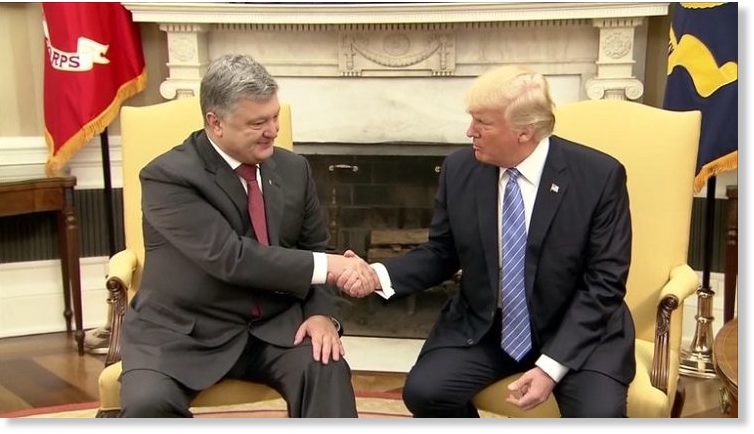
Washington may slap sanctions on governments that fail to reduce Iranian oil imports to "zero" by early November, a senior State Department official has warned. But some partners seem reluctant to follow the demand.
Washington's allies, including those dependent on Iran's oil, should ultimately refuse the imports by November 4 or else face secondary US sanctions. It was stressed that there are no waivers planned.
This mean that the Trump administration will not allow countries to gradually phase out Iran's oil exports over the duration of many months like the Obama White House did.
"We have a lot of diplomatic muscle memory for urging, cajoling, negotiating with our partners to reduce their investments to zero," the unnamed State Department official said.
Their trip did not included Turkey, and the largest importers of Iran's oil - India and China - so far, but the countries are also to be urged to stop purchases by early November.
The State Department acknowledges that cutting off Iranian oil imports completely is a "challenge" that no country "wants to do voluntarily".
Among Iran's most significant customers are China, South Korea, India and Japan. The State Department said that, even if reluctantly, Tokyo understands "that the Secretary and the White House aren't kidding" about sanctions, the official said.
In Europe, where the biggest customers are France and Italy, the US is meeting resistance - especially among those countries that helped negotiate the Iran deal. The UK, France and Germany voiced opposition to Trump's withdrawal from the Joint Comprehensive Plan of Action (JCPOA) and the EU put measures in place aimed at protecting companies from secondary sanctions.











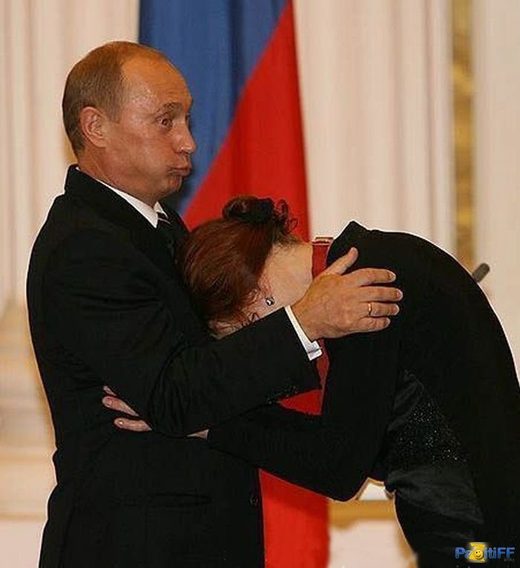
Comment: Russia, like China, has merely acted in its favor and in reaction to aggressive, baseless and illogical sanctions imposed by Western nations:
- Medvedev gives orders to prepare reciprocal anti-US sanctions similar to those Europe and China made
- Russian central bank boasts of "operational" SWIFT alternative as defense against US sanctions
- Further US sanctions on Russia would be illegal, ineffective and hurt West more
- Anti-Russian sanctions led to increased efficiency, lowering of debt and boon for manufacturing in the country
- Europe ready to defy US economic sanctions on Iran
- Self punishment? EU extends sanctions against Russia without any discussion
Also check out SOTT radio's: The Truth Perspective: Bill Browder, the Magnitsky Act, and anti-Russia Sanctions: Interview with Alex Krainer