Regular readers will have noticed that most of my pieces on the Salisbury poisoning have been dedicated to showing the implausibility of the official narrative, rather than attempting to come up with my own theory of what took place. I am merely debunking a conspiracy theory, not attempting my own.
There are two reasons for this.
The first is that there are simply too many unknowns for me to have any confidence in any theory I could advance. The second is that despite the lack of facts available to make an all-encompassing theory,
what is evident is that the official story did not happen. If it had happened, it would stack up and make sense. But it doesn't and it can't. Reality simply won't allow it. And so - for what it's worth - I have preferred to devote time on the case to exposing the flaws in the official myth, possibly in the hope that someone with more clout than the likes of me will pick it up and take it further.
In my last piece, I set out why the door handle theory is implausible. But I want to now take this a bit further. As I pointed out in that piece, because it was known that Mr Bailey visited Mr Skripal's house by 9th March at the latest (this was when that information was made public), and because The Maltings as the place of his poisoning had been ruled out, the source of Mr Bailey's poisoning can
only have been at the house - according to investigators that is.
And so the house should have been locked down, with forensic experts busy taking swabs from top to bottom, and inside out, from the moment it was known he had been there. Which would of course have included the door and door handle.









Comment:
- The SWIFT System: Banking as another potential weapon in the hybrid war
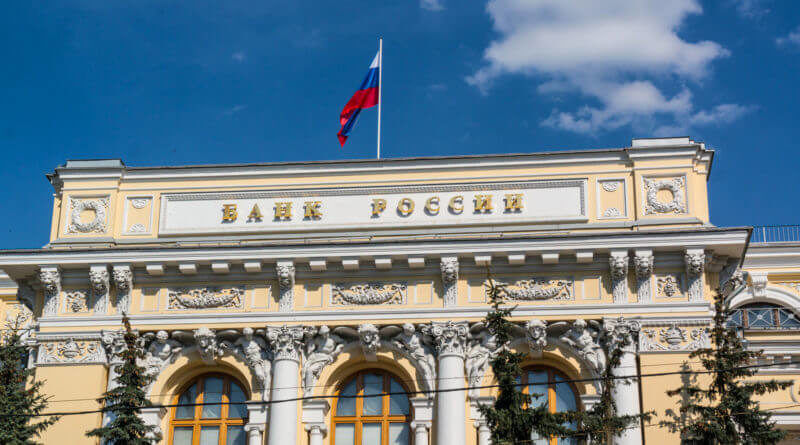
- Russian central bank boasts of "operational" SWIFT alternative as defense against US sanctions
- Iran planning ways to bypass SWIFT payment system & US sanctions
- Swift turn: German FM states Europe needs bank transactions system independent of US
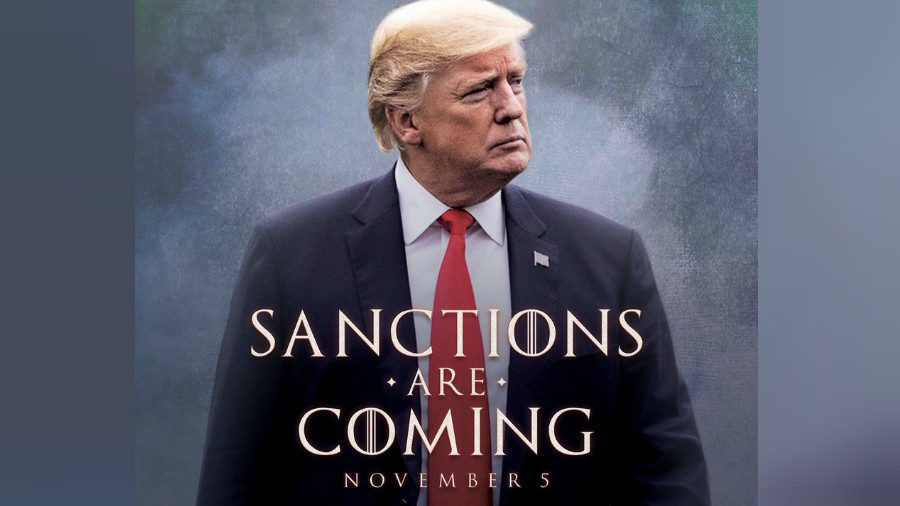
The US attempts an own goal: US threatens SWIFT with sanctions if it fails to cut off Iran's financial services