OF THE
TIMES


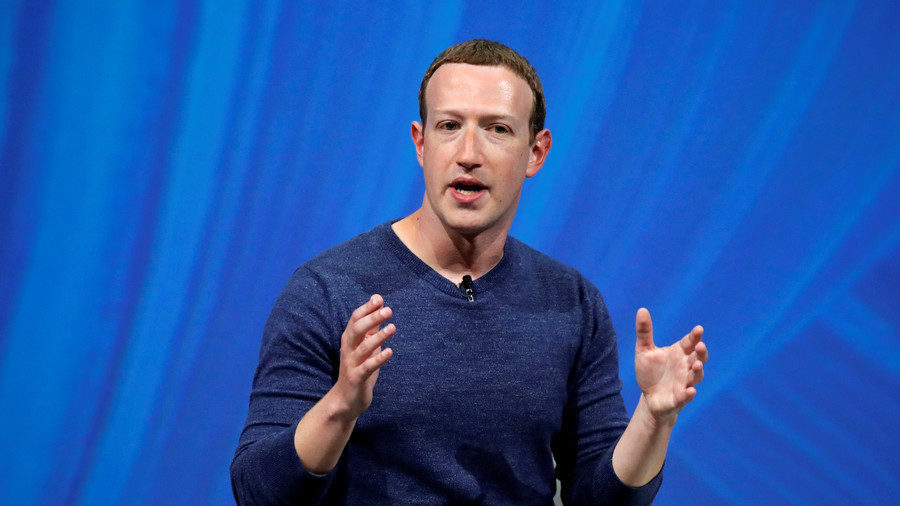
Responding to the Times report, Soros adviser Michael Vachon responded Thursday, stating "It is alarming that Facebook would engage in these unsavory tactics, apparently in response to George's public criticism in Davos earlier this year of the company's handling of hate speech and propaganda on its platform."The Times' story raises the question of whether Facebook has used similar methods to go after other critics or public officials who have tried to hold Facebook accountable. Zuckerberg and Sandberg's claim that they were unaware of what the company was doing is more alarming than reassuring. What else is Facebook up to?Patrick Gaspard, president of Soros's Open Society Foundations wrote to Sandberg: "I was shocked to learn from the New York Times that you and your colleagues at Facebook hired a Republican opposition research firm to stir up animus toward George Soros," adding: "As you know, there is a concerted right-wing effort the world over to demonize Mr. Soros and his foundations, which I lead - an effort which has contributed to death threats and the delivery of a pipe bomb to Mr. Soros' home. You are no doubt also aware that much of this hateful and blatantly false and anti-Semitic information is spread via Facebook."
The company should hire an outside expert to do a thorough investigation of its lobbying and PR work and make the results public.
Until then, this episode further demonstrates that Facebook continues to pursue its narrow corporate interests at the expense of the public interest. -Michael VachonThe notion that your company, at your direction, actively engaged in the same behavior to try to discredit people exercising their First Amendment rights to protest Facebook's role in disseminating vile propaganda is frankly astonishing to me.
It's been disappointing to see how you have failed to monitor hate and misinformation on Facebook's platform. To now learn that you are active in promoting these distortions is beyond the pale.
These efforts appear to have been part of a deliberate strategy to distract from the very real accountability problems your company continues to grapple with. This is reprehensible, and an offense to the core values Open Society seeks to advance. But at bottom, this is not about George Soros or the foundations. Your methods threaten the very values underpinning our democracy. -Patrick Gaspard
Irish border remains the main obstacleSee also:
Northern Ireland seems to get the most out of it - the region is set to abide by the UK customs rules, yet still follow regulations of the union. The draft document effectively treats Northern Ireland as a separate entity from the rest of the UK, since local goods are set to bear special markings.
When the transition period ends, then the UK has the following options - to extend the period, staying in the customs union with the EU (which is the same as before Brexit, but without actual say on the policies), while accepting that Northern Ireland follows internal EU rules. The EU legislation will apply to industrial, agricultural and environmental goods, yet it will be policed by British officials.
Another option is to somehow find a solution to keep the Irish border open, as the document reaffirms the EU's and the UK's "intention" to replace the "backstop" solution "by a subsequent agreement that establishes alternative arrangements for ensuring the absence of a hard border on the island of Ireland on a permanent footing."
The draft agreement contains a review provision for the backstop, which can be triggered unilaterally by the UK, yet has to be discussed by a joint commission with the EU.
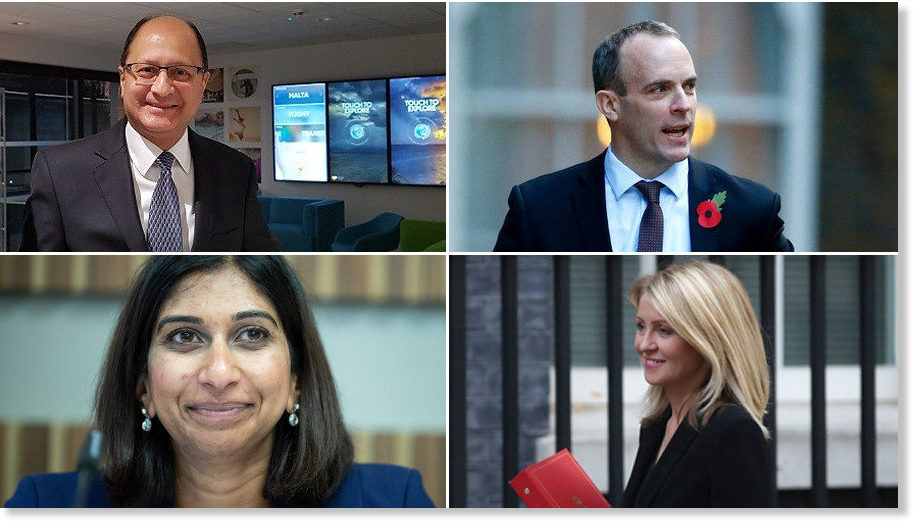
Theresa May's EU withdrawal agreement leaves the UK in a "halfway house with no time limit on when we will finally become a sovereign nation," said Northern Ireland Minister Shailesh Vara in his letter of resignation. Scottish politicians were also unhappy with Northern Ireland getting preferential treatment.
Movement of people
While the UK will leave the EU on March 29, 2019 while still remaining inside the bloc's single market as a "single customs territory" until the end of the transition period, some three million EU citizens in the UK, and over one million UK nationals in the remaining 27 EU countries, will continue to enjoy the rights to live and work as they have now.
The condition to "enjoy equal treatment with the nationals of that state" is applicable to EU and UK citizens and their family members that have lived abroad within the block for the last five years. Those persons will also maintain their rights to social security benefits including healthcare and pensions.
Fishing
The UK will remain bound by Common Fisheries Policy until the end of the transition period, after which London will seek to become "an independent coastal state." Britain, however, will still be "consulted" on "fishing opportunities" and will take part in the decision-making process of the bloc. This term may potentially cause more troubles if the sides do not come to an agreement on tariffs on UK fish sold in EU.
Equality
Brexiters were hoping to get away from strict EU labor laws and have a low-tax economy like in Singapore, so the UK's "level playing field" commitment in the agreement that makes it follow the Union's rules on competition, state aid, employment standards and tax is unlikely to please them.
Paying for Brexit
The agreement calls for London to settle its financial obligations with the EU, which is currently estimated to be £39 billion (€44 billion).
Environment
The UK will remain committed to the bloc's environmental standards after leaving the EU and will honor international agreements, including the Paris Agreement on climate change.
Gibraltar
Gibraltar is a British Overseas Territory and by default, will also exit the EU next year. As part of the Brexit agreement, London consented to cooperate with Madrid on citizens' rights, environment, police and customs matters when it comes to the disputed territory.

What all this jabberwocky means is that they have indefinitely postponed Brexit.and check out the article for more details.
Comment: See also: