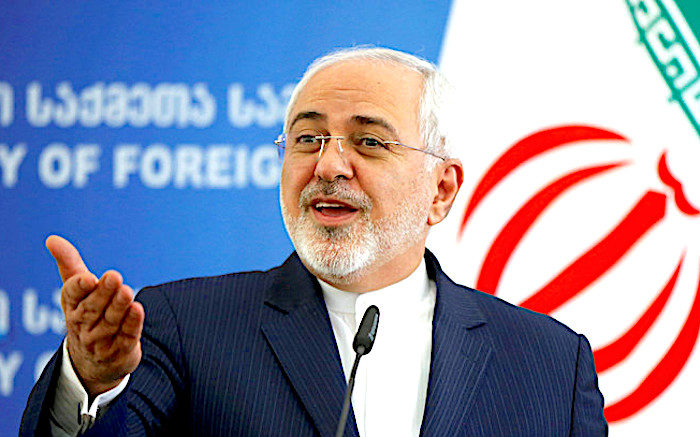
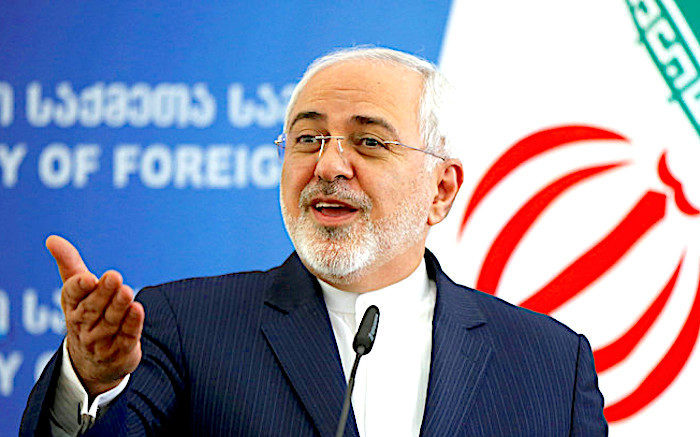
© Reuters/David MdzinarishviliIranian FM Javad Zarif
Amid Iranian media reports of the country's lawmakers signing a letter asking President Hassan Rouhani not to accept Foreign Minister Javad Zarif's resignation, the ministry's spokesperson revealed that
the request has not been accepted so far.
Sputnik discussed the possible reasons Iran's top diplomat resigned, and how this could impact Tehran's internal and foreign policy, with Dr. Ali Bakeer, an Ankara-based political analyst specialising in Turkey's foreign policy, Iran and the Gulf Cooperation Council (GCC) countries.
Sputnik: What's your impression of Zarif's sudden resignation announcement?Ali Bakeer: Many observers anticipated that Zarif might have to resign at a certain point but no one expected that his resignation would be announced on Instagram
during the official visit of Syrian President Bashar al-Assad to Iran.
The direct reason for Zarif's resignation is widely attributed to
not informing his ministry of the visit and not allowing him personally to attend any of the official meetings, during which Assad met with Iran's Supreme Leader Ali Khamenei and President Hassan Rouhani.
However, I think the resignation came
after a long period of frustration and as a result of the contention between the political/diplomatic approach of Rouhani's government towards regional issues on the one hand, and the security/IRGC approach which is usually endorsed by the Supreme Leader on the other.
















Comment: See also: