OF THE
TIMES

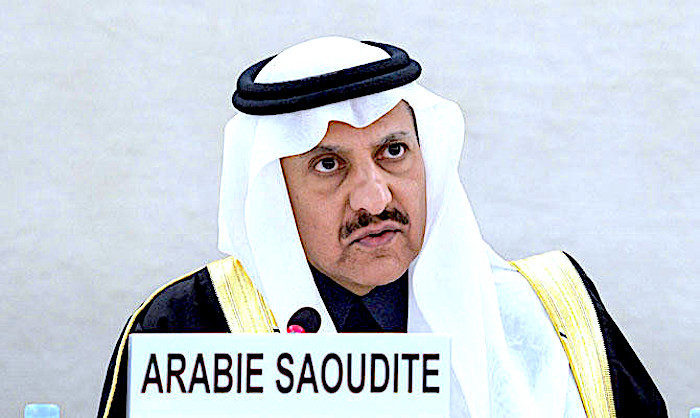
Saudi Arabia has not provided pertinent details of its investigation into last year's killing of journalist Jamal Khashoggi in Istanbul, the State Department said on Wednesday in its annual Country Reports on Human Rights Practices.
"At year's end the [Public Prosecutor's Office (PPO)] had not named the suspects nor the roles allegedly played by them in the killing, nor had they provided a detailed explanation of the direction and progress of the investigation", the report stated.
Last November, the Saudi PPO announced the indictment of 11 suspects in Khashoggi's murder, and later stated that 10 more individuals were under investigation.
The State Department noted that in the past, Saudi Arabia did not punish officials accused of committing human rights abuses.
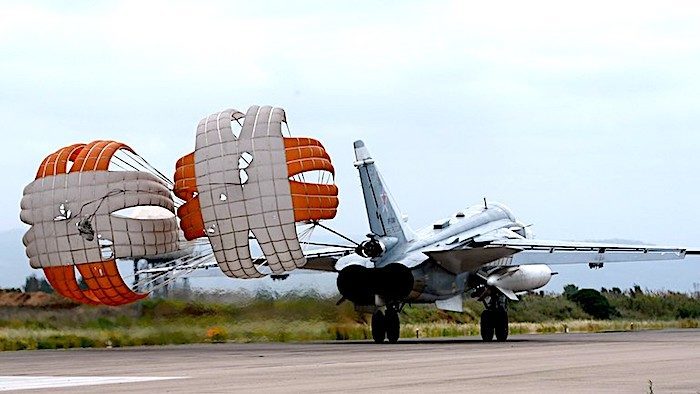
"According to information, confirmed through several channels, a large batch of unmanned aerial vehicles was delivered to the warehouse yesterday. The terrorists have been plotting to use them to attack the Russian air base in Khmeimim."It added that the now-destroyed facility belonged to the Hayat Tahrir Al-Sham (HTS) hardline militant group, which controls large parts of the Idlib province. HTS is a Syrian-based offshoot of Al-Qaeda and used to be known as Jabhat An-Nusra Front before the most recent "rebranding."

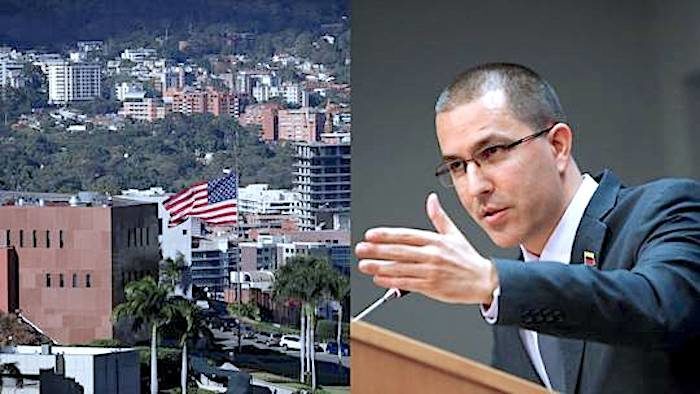
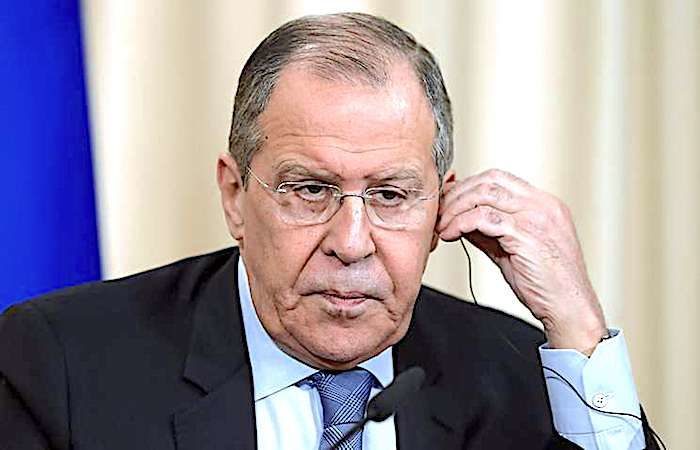
"Recently, Pompeo accused Rosneft of violating US sanctions against the Venezuelan oil company and demanded that it stop buying oil from this company. Bad habits are contagious, so Guaido (leader of the Venezuelan opposition - TASS) already said that Venezuela should stop selling oil to Cuba. How does this harmonize with international law? In no way whatsoever," the top diplomat stressed.Earlier, Pompeo said that Rosneft was buying crude oil from Venezuela's state oil company PDVSA "in defiance of US sanctions." In turn, the Russian company stressed that Rosneft is not engaged in politics, and carries out exclusively commercial activities in the interests of all its shareholders.

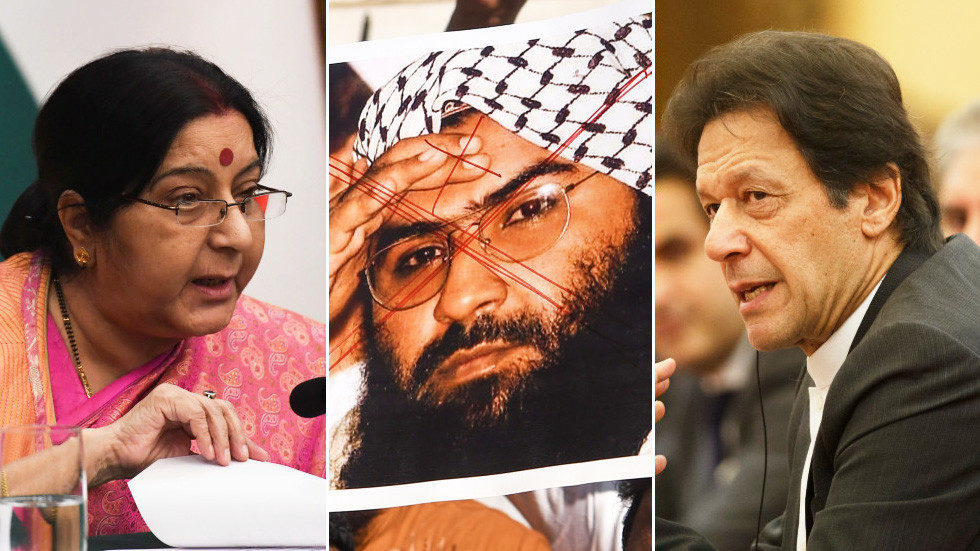
China has blocked a bid to designate as a terrorist the leader of the group behind an attack last month that dramatically escalated tensions between India and Pakistan.
China prevented the United Nations Security Council on March 13 from blacklisting Masood Azhar, the leader of Pakistan-based group Jaish-e Mohammad (JeM), which claimed responsibility for a suicide bombing that killed 40 troops in Indian-administered Kashmir.
Britain, France, and the United States had requested Azhar to be subject to an assets freeze, travel ban, and arms embargo.
But China placed a "technical hold" on the request, saying it needed more time to examine it.
China, a Pakistan ally, had previously blocked attempts to have Azhar blacklisted.
India said that it will continue to pursue "all available avenues to ensure that terrorist leaders who are involved in heinous attacks on our citizens are brought to justice."
Azhar founded JeM in 2000. The group, which is officially banned in Pakistan, was blacklisted by the Security Council in 2001.
Comment: More on Shanahan's response from The Washington Times, 3/14/2019: See also: