The Middle East is heading for "maximum danger" following the "maximum pressure" imposed on Iran by US President Donald Trump who, unilaterally and unlawfully,
withdrew over a year ago from the Joint Comprehensive Plan of Action (JCPOA), known as the nuclear agreement, and imposed harsh
sanctions on Iran that Tehran considers a declaration of economic war. Trump's move against Iran has provoked a gathering storm of tanker wars, the mutual detention of tankers by Iran and Britain. Indeed, the US administration has been pushing London to confront Iran starting from the
capture of an Iranian super tanker (
Grace 1) at Gibraltar on July 4, which has now triggered an Iranian tit-for-tat
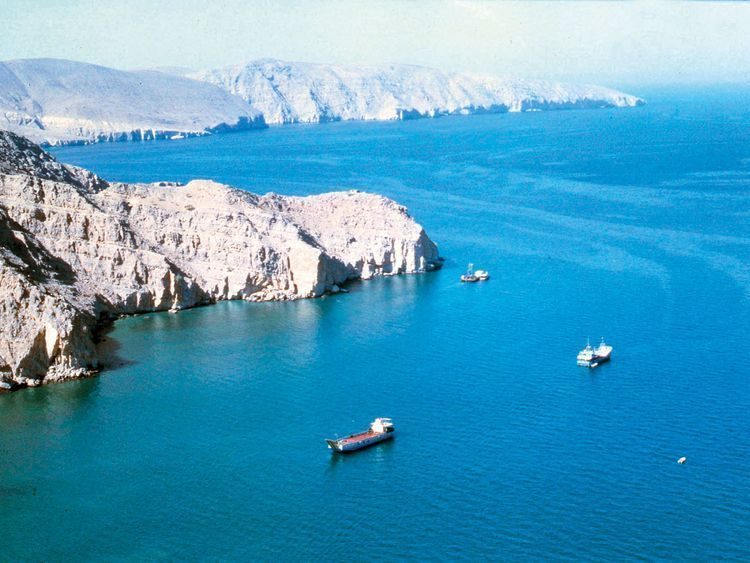
reaction (capturing a British tanker in the Straits of Hormuz). While the US and the UK are walking, along with Iran, on the edge of the abyss,
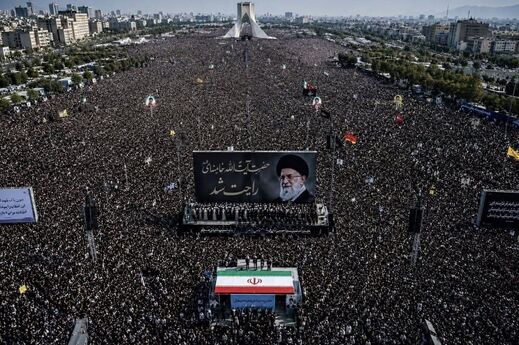
the Iranian supreme leader, Sayyed Ali Khamenei, has publicly proclaimed "three points of guidance" for officials in the country, which includes a road map to follow even in his own absence.
Iran has detained a British oil tanker "
Stena Impero" hours after the British High Court of Gibraltar announced the
extension of an additional month of the arrest of Iranian tanker "
Grace 1", carrying two million barrels of oil. When this news reached the Iranian leadership, they realised that
mediation efforts by French President Emmanuel Macron had stumbled and that it was time for Iran to take the matter in hand.
This does not mean that Iran is closing the door to French diplomacy or attempts by other intermediary states to de-escalate the extremely tense situation that is intensifying daily in the Middle East, particularly with the gathering of
new British naval war vessels and the arrival of
additional US military forces in Saudi Arabia.
President Emmanuel Macron's chief adviser, Ambassador Emmanuel Bonne, had visited Tehran this month and met with Iranian leaders, and he promised to intervene to secure the release of the Iranian super tanker
Grace 1 and to play a mediation role between Tehran and Washington.













Comment: Other articles by this author: